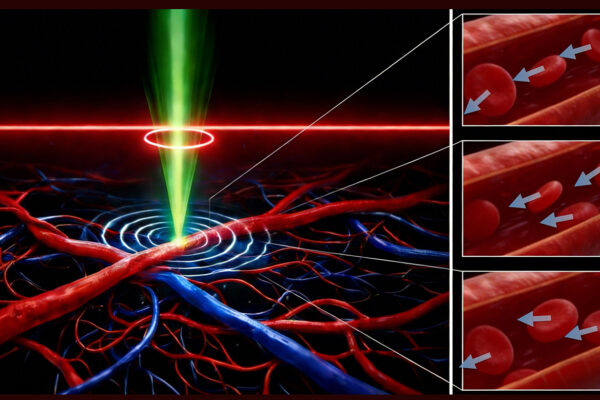
Tracking single red blood cells as they move through the brain
Super-resolution functional photoacoustic microscopy, a new technique developed at WashU, allows researchers to image blood flow and oxygenation at single-cell resolution. The research could provide insight into microvascular health and disease, such as stroke, vascular dementia and Alzheimer’s disease.
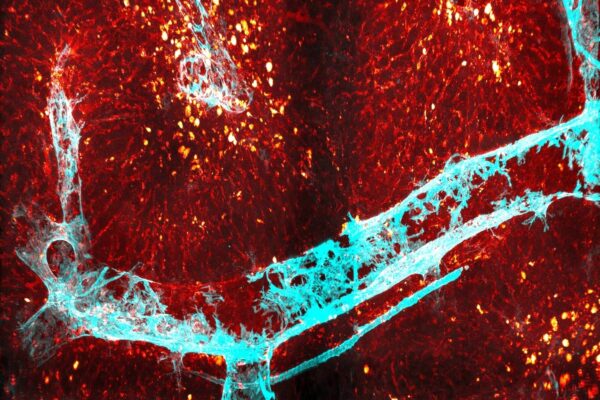
New compound stops common complications after intestinal surgery
WashU Medicine researchers made and tested a new compound in mice that shows promise in protecting the liver from damage and improving nutrient absorption after small bowel resection surgery.

Index provides flu risk for each state
Researchers at WashU have developed vulnerability maps highlighting regions across the United States with varying levels of socioeconomic vulnerability to influenza-like illness.
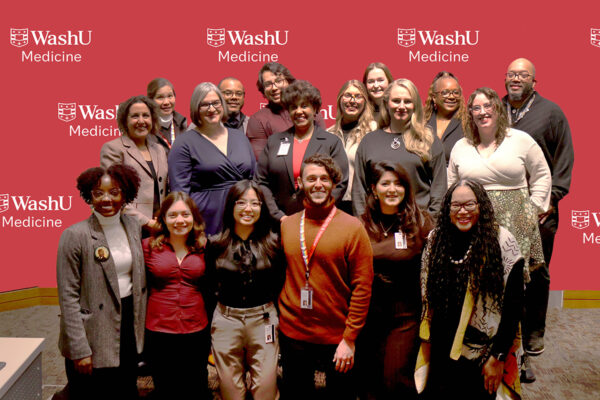
Drum Major Awards recognize faculty, staff, students at WashU Medicine
During WashU Medicine’s 2026 Martin Luther King Jr. Commemoration Week, 22 faculty, staff and students were recognized with Drum Major Awards for embodying King’s work and words.
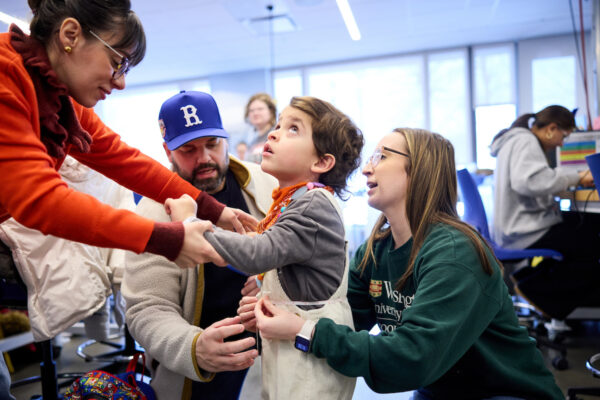
Students’ cross-disciplinary collaboration addresses real-life needs
The annual Assistive Tech Make-a-Thon brings together WashU OT and engineering students to enhance the lives of St. Louisans who have disabilities.
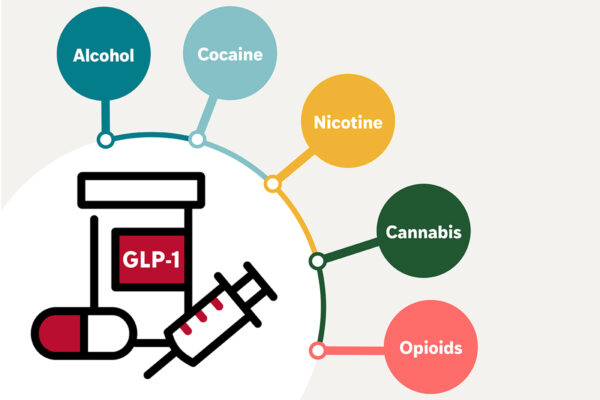
GLP-1 medications get at the heart of addiction: study
WashU Medicine researchers have shown in a new study that GLP-1 medications, typically used for diabetes and weight loss, may be effective at treating and preventing substance use disorders, from alcohol to cigarettes to opioids.
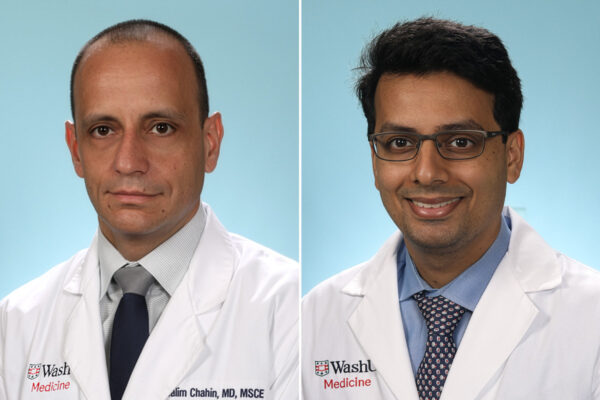
Chahin, Rohatgi named Loeb Teaching Fellows
The 2026-28 Carol B. and Jerome T. Loeb Teaching Fellows at WashU Medicine have been named. They are Salim Chahin, MD (left), an associate professor of neurology, and Ram K. Rohatgi, MD, an assistant professor of pediatrics and of radiology.

New WashU Medicine program to train data specialists
The master’s program in biomedical data science and artificial intelligence is one of few such programs in the U.S. It offers a flexible curriculum, part-time enrollment and evening classes to accommodate working students.
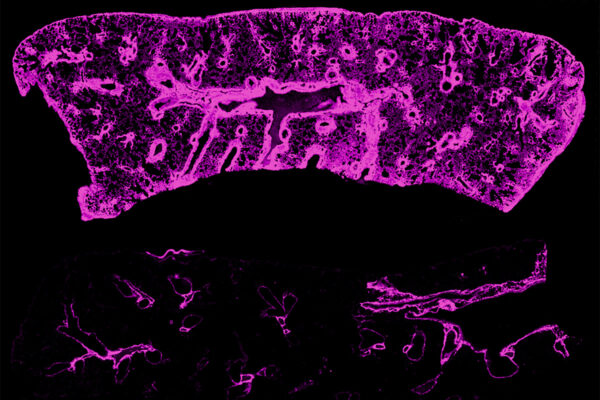
Surprising culprit leads to chronic rejection of transplanted lungs, hearts
A new study from researchers at WashU Medicine shows that chronic organ rejection may be triggered by the disruption of lymphatic vessels from the donor organ rather than an attack by the patient’s immune system.
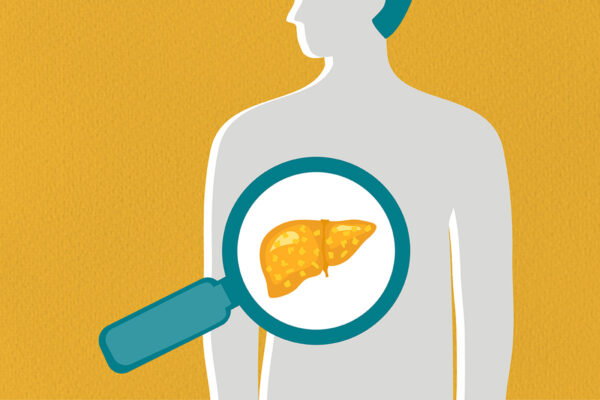
A risk factor for liver disease: your parent’s body weight
Researchers at WashU Medicine have found a strong correlation between obesity in one or both parents during pregnancy and their child’s risk of developing a common liver disorder.
Older Stories