
One-year anniversary of siege on U.S. Capitol
January 6, 2022, marks the one-year anniversary of the attack on the U.S. Capitol building by supporters of president Donald Trump. Here, university experts in political science and law offer their thoughts on what the attack means.
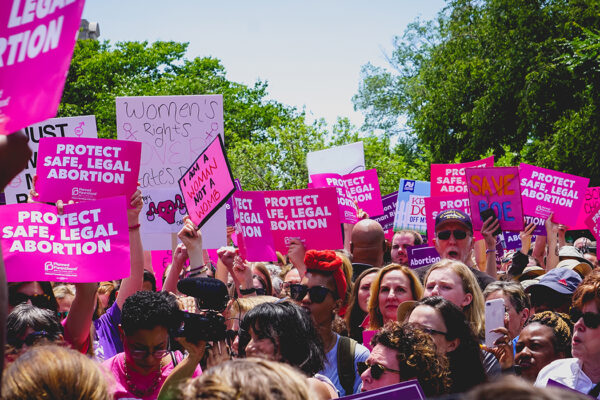
It’s time to move conversation beyond abortion
Women of color are leading the reproductive justice movement, which expands the conversation to include the broader range of reproductive experiences, according to sociologist Zakiya Luna.
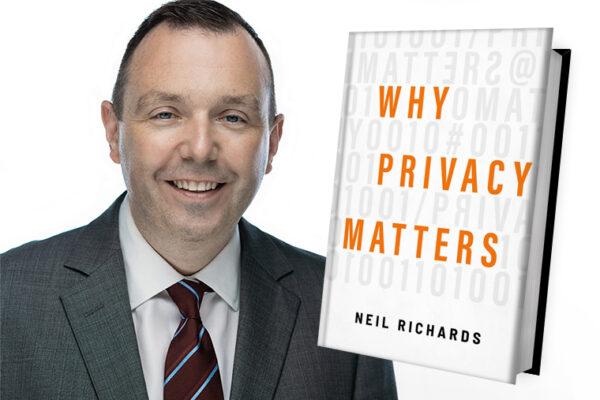
Is privacy dead?
In a new book, “Why Privacy Matters,” one of the world’s leading experts in privacy law, Neil Richards, the Koch Distinguished Professor in Law and co-director of the Cordell Institute for Policy in Medicine & Law, argues privacy is not dead, but up for grabs.

A new home for humanists
The Lewis Collaborative — a reinvention of a century-old U. City landmark — and a new “studiolab” model are reshaping humanities education at WashU.
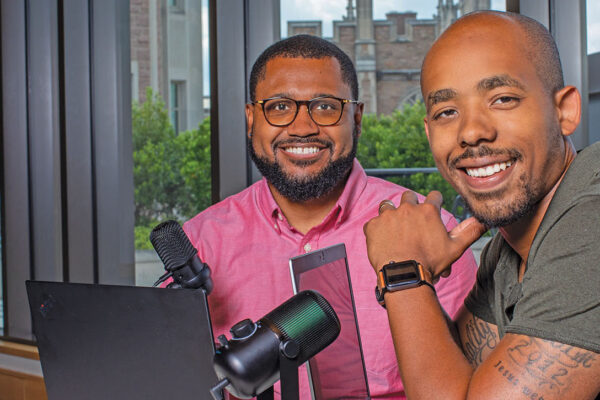
How do we build a healthy and vibrant civic community?
There is no doubt that we are experiencing a time of immense sociocultural upheaval
and division in the United States. Our podcast, “This Civic Moment,” explores how we
can come through it together.

Honoring the past to build the future
Lisa G. Byers draws on her American Indian ancestry to shape her
students into culturally aware social workers.

U.S. drug prices are costing us more than we think
Aduhelm, the first new Alzheimer’s drug in 18 years, could easily become the best-selling drug in Medicare, despite its potential massive cost and tremendous uncertainty about whether the drug even works.
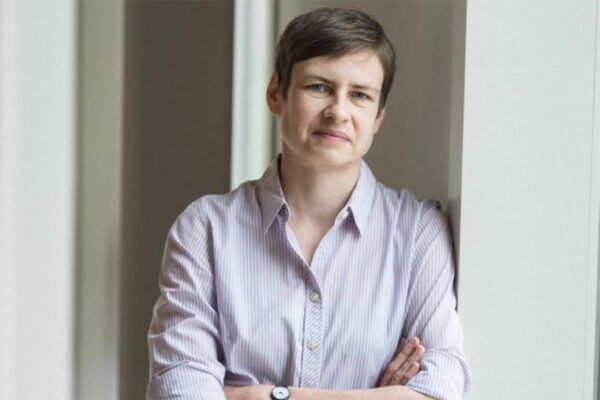
Walke speaks at World War II conference
Historian Anika Walke, the Georgie W. Lewis Career Development Professor in Arts & Sciences, participated Nov. 15 in the Blavatnik Archive Foundation’s international virtual conference “Jewish Soldiers & Fighters in WWII.”
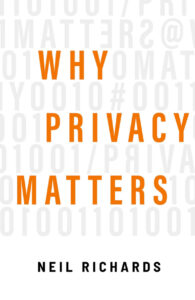
Why Privacy Matters
Many people tell us that privacy is dead, or that it is dying, but such talk is a dangerous fallacy. This book explains what privacy is, what privacy isn’t, and why privacy matters. Privacy is the extent to which human information is known or used, and it is fundamentally about the social power that human […]

Roe v. Wade reflects neutrality that Kavanaugh seeks
During oral arguments Dec. 1, Supreme Court Justice Brett Kavanaugh suggested the court should take a neutral position on the divisive question of abortion. In fact, Roe v. Wade does exactly that, says a School of Law expert on reproductive rights.
Older Stories