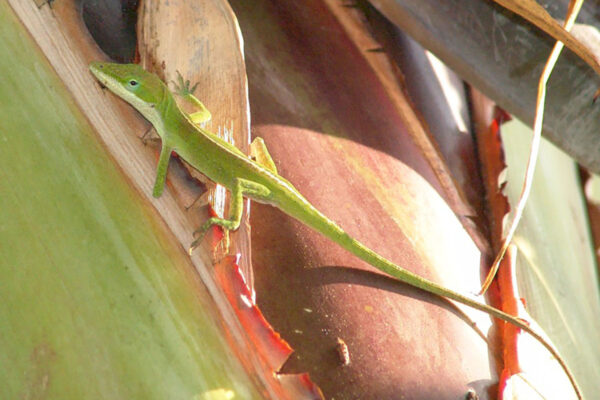
‘Pirates’ of the Caribbean: The luck and pluck of three-legged lizards
Researchers from Washington University in St. Louis and the Georgia Institute of Technology study lizards who have lost limbs to understand how omnipresent the forces of natural selection can be, and why those lizards appear to be resilient.
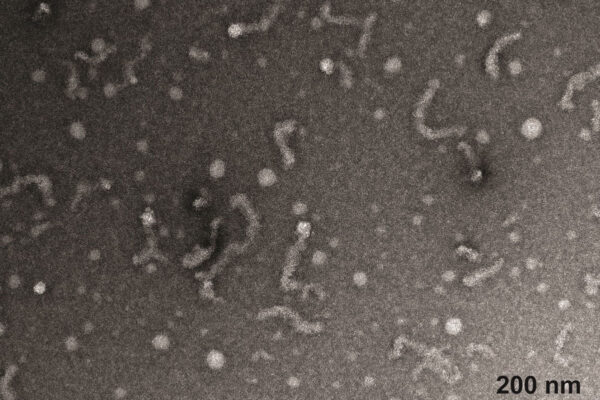
WashU chemists reveal new insights into ALS-linked protein
Using advanced biophysical and imaging techniques, Meredith Jackrel and her team at Washington University in St. Louis have isolated the protein Matrin-3 to better understand its role in neurodegenerative diseases.
Several faculty receive NIH MIRA awards
Several biology and medical researchers at Washington University in St. Louis have earned prestigious awards from the National Institutes of Health (NIH).
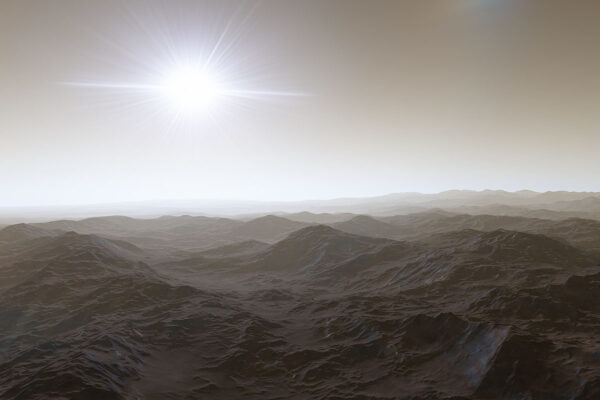
Tips for biomolecular engineering can be found in early Earth
Biomedical engineers at the McKelvey School of Engineering at Washington University in St. Louis are tackling the question of how oxygenation happened on primordial earth in a recent study published in the Proceedings of the National Academy of Sciences.
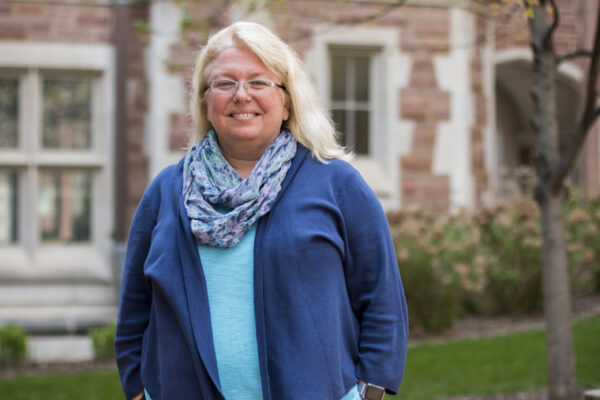
Barch earns lifetime achievement award from psychology group
Researcher Deanna Barch, a professor at WashU, has received a lifetime achievement award from the Association for Psychological Science.
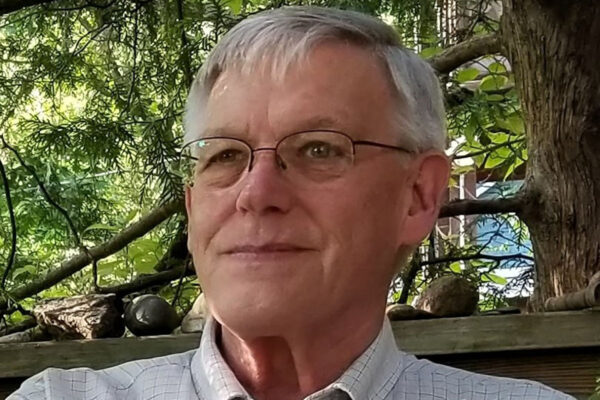
James Ballard, former director of Engineering Communication Center, 79
James “Jim” Clark Ballard, a former senior lecturer and director of the Engineering Communication Center in the McKelvey School of Engineering at Washington University in St. Louis, died Sept. 29 in St. Louis following a sudden cardiac arrest. He was 79.
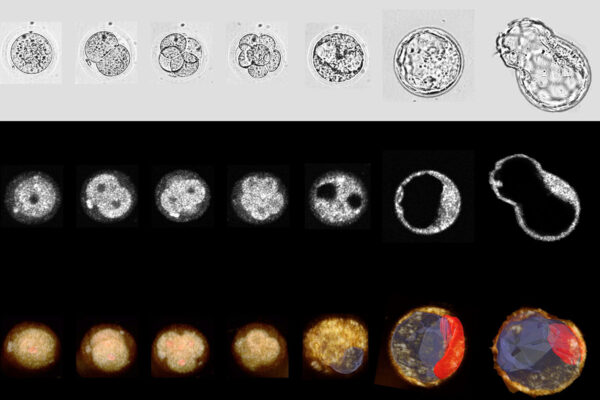
An inside look at the earliest stage of life
Researchers at Washington University in St. Louis have a developed a way to monitor mouse embryo development and predict successful blastocyst formation. The results of the study could help improve success rates of in vitro fertilization.
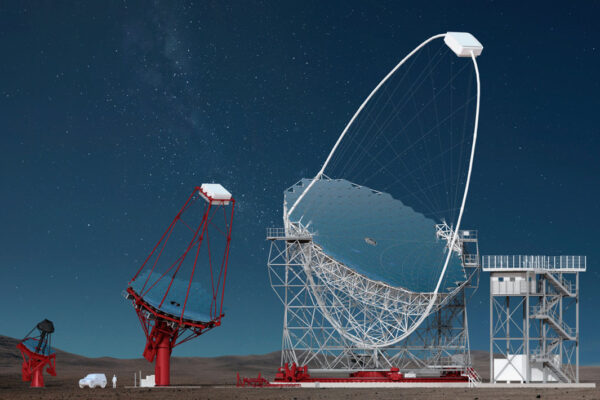
WashU team wins $3.9M to provide cameras for gamma-ray observatory
Researchers at Washington University in St. Louis will provide cameras for the world’s largest high-energy gamma-ray observatory with a nearly $4 million federal grant.
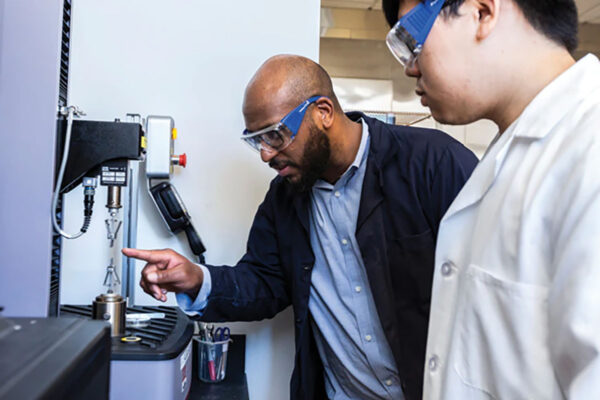
Strengthening soy for better bioplastics
Researchers at Washington University in St. Louis are using surface chemistry to improve the strength of soy and cellulose-based biomaterials.
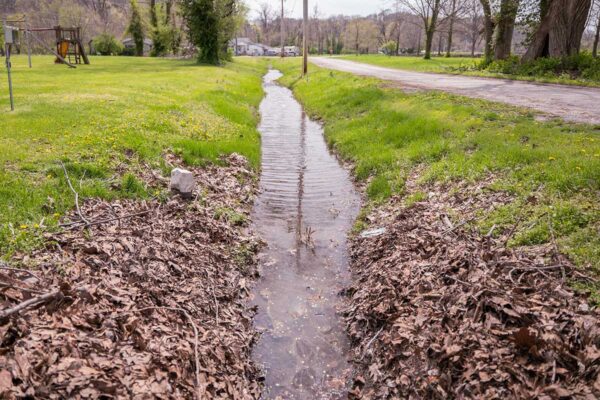
Multidisciplinary team secures $3.6M grant to investigate health risks from flooding
Funding from the National Science Foundation will enable researchers across many disciplines at Washington University in St. Louis to advance ongoing research into the damaging health effects of repeated flooding in Metro East communities.
View More Stories