Over the past few decades, a collaboration of St. Louis regional groups have partnered to be good stewards of Forest Park, one of the largest urban parks and wildlife areas in the country. Organizations such as Forest Park Forever have restored habitat, while scientists with the Saint Louis Zoo have partnered with conservation groups and universities including WashU to monitor wildlife populations. Their efforts have paid off, as shown in recent research published in the journal Ecological Applications.
“Forest Park is unique, not just because of the size but also because of all the work these groups are doing for conservation in the park,” said Stella Uiterwaal, an ecologist now at the Smithsonian. Uiterwaal is first author of the research, which she began as a postdoctoral scholar with the Living Earth Collaborative at Washington University in St. Louis.
Forest Park experienced severe damage from a tornado that devastated the St. Louis region in May 2025. The findings reported in this study predate the storm, but study authors said that they remain confident in Forest Park’s resilience and in their finding that urban restoration programs can increase native biodiversity.
Uiterwaal and her collaborators — including Sharon Deem and Jamie Palmer at the Saint Louis Zoo and Stephen Blake at Saint Louis University — first conceived of their project after compiling survey data on the bird species of Forest Park from previous decades.
With these older data in hand, the scientists had an opportunity to do new surveys in 2023 to compare Forest Park before and after recent habitat restoration efforts. Such comparisons allow conservation biologists to see what they are doing right and where they can improve efforts.
“The restoration work being conducted by Forest Park Forever has been key to revitalizing St. Louis’ largest urban park,” said Deem, director of the Saint Louis Zoo Institute for Conservation Medicine. “In the 14 years since we started the St. Louis Box Turtle Project (a precursor to the Forest Park Living Lab), we have watched the environmental health of Forest Park improve.”
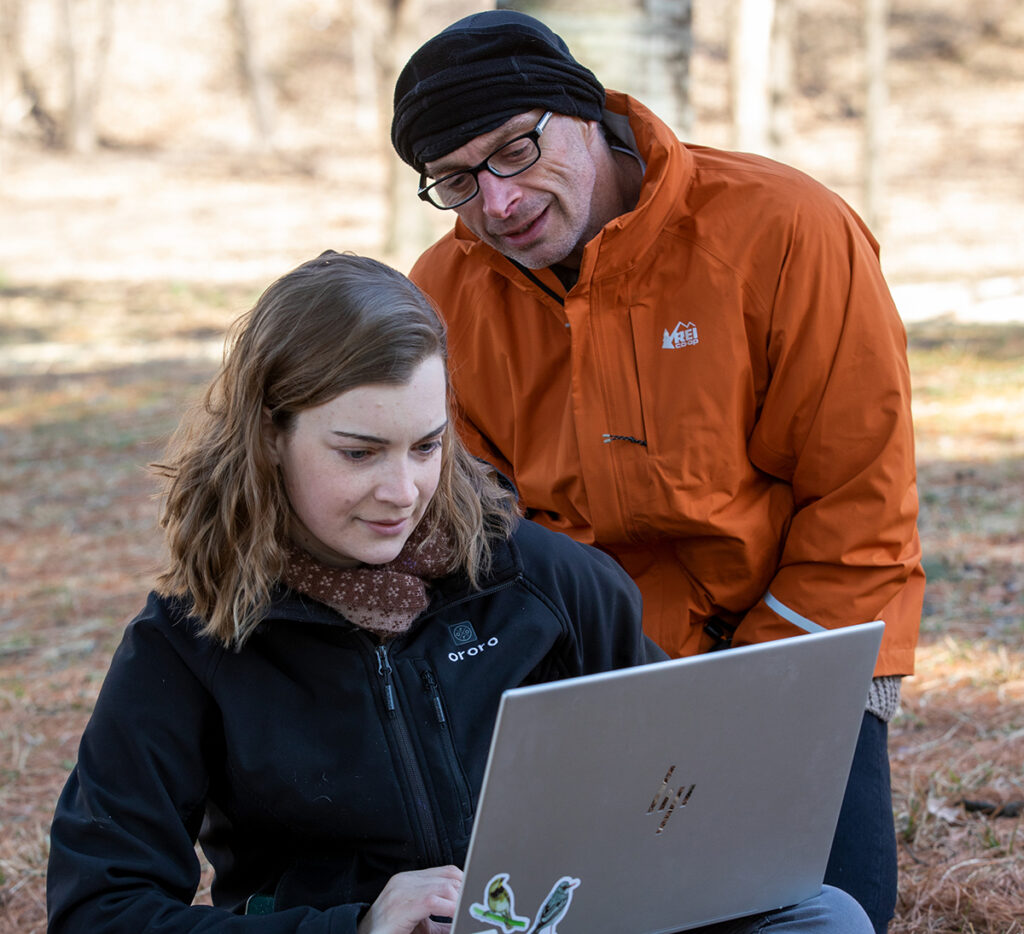
With bird survey data from 1997 and 2007-2012, Uiterwaal’s postdoctoral work with the Living Earth Collaborative involved conducting new surveys in 2023 and 2024. Uiterwaal’s advisers included Deem, Blake and ecologist Anthony Dell of the National Great Rivers Research & Education Center, all co-authors on the new study.
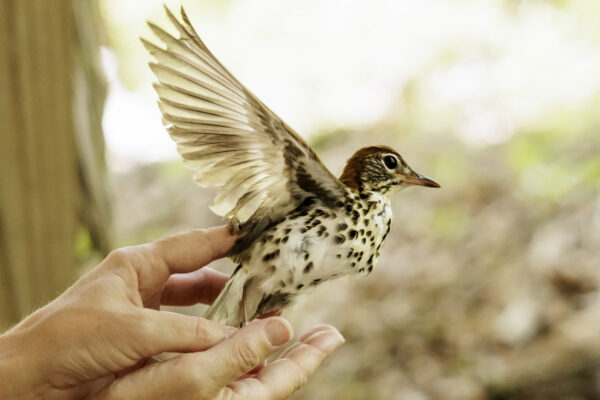
Surveying the bird species of a given area involves going to a location around sunrise when birds are most active, staying in that spot for a defined amount of time — generally five to 10 minutes — then documenting every bird identified by sight or sound. It can be intensive, technically difficult and expensive work
“In this case, (Uiterwaal) rolled up her sleeves and stuck to the task of evaluating the effectiveness of restoration for birdlife with binoculars, imagination, dedication and a deep knowledge of U.S. birds and considerable analytical skill,” Blake said.
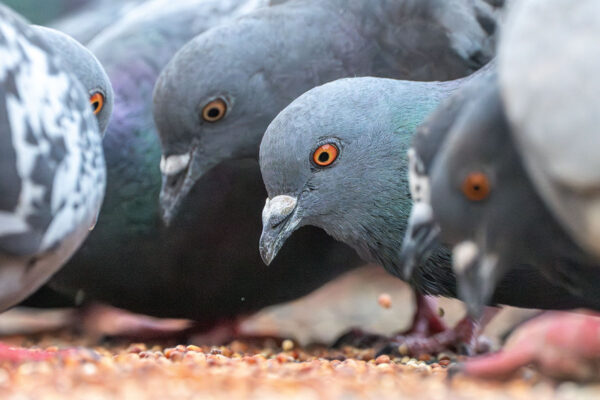
When the scientists collected the new survey data and plugged it into their models, they found that habitat restoration has led to an increase of bird biodiversity in the park. Not only that, but the increases have been mostly in native bird species, another healthy sign for an ecosystem.
The team also found that some aspects of restoration are more important than others, especially for bird species, such as access to water.
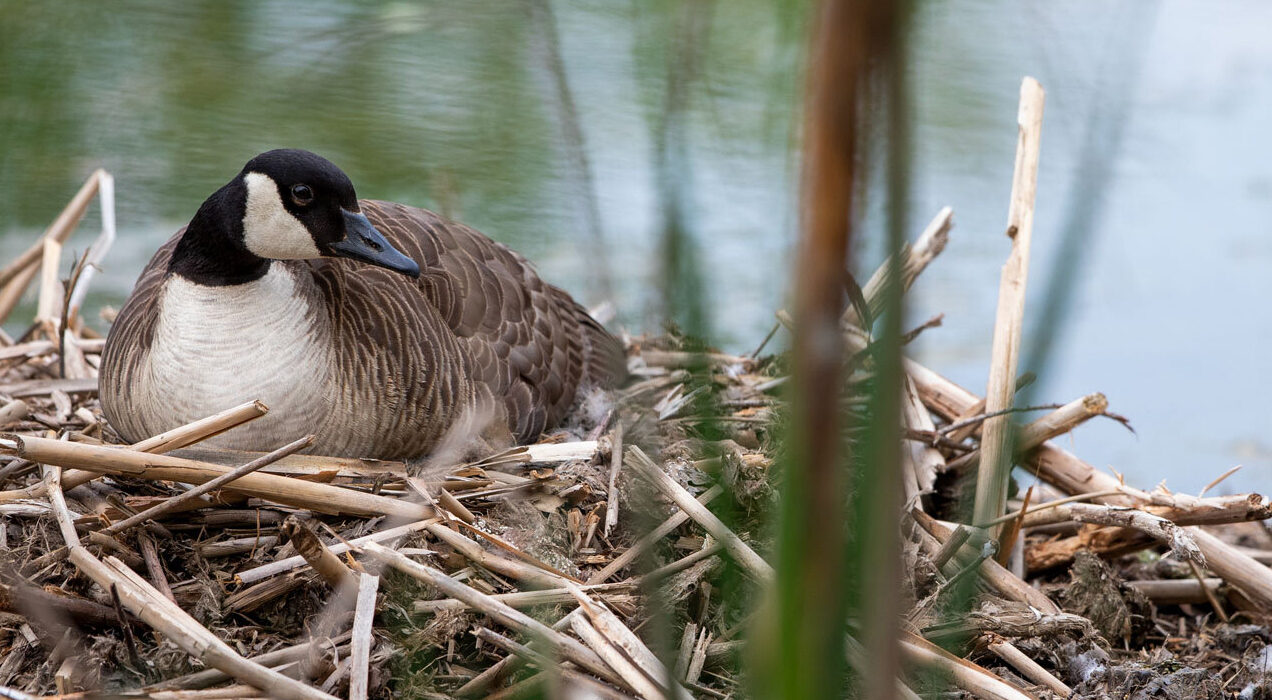
“If there’s open water, you can get different groups of birds and that will in and of itself increase biodiversity,” Uiterwaal said. In others words, the ponds and creeks of Forest Park are doing the yeoman’s work of keeping habitats healthy. In addition, a greater variety of habitat types also will spur a confluence of a greater variety of birds.
It takes time and resources to do this type of project, and “it’s very good to see there are benefits of that work,” Uiterwaal said.
Through this work, Uiterwaal and the team have demonstrated that investment in urban park management can increase biodiversity for the benefit of wildlife and people. These findings should encourage continued investment in Forest Park and habitat restoration more generally, Blake said.
Deem noted that studies like this one provide important guidance for those who are looking to expand metro wildlife areas. She described another study this year finding that native bird species are in decline in North America, with the decline being associated with land fragmentation and the degradation associated with agriculture.
“Understanding how urban green spaces may play a key role in avian conservation is a critical discovery,” Deem said. “We see that when linking environmental health, through park restoration, we support biodiversity while also improving human mental and physical health through healthy urban green spaces — a one-health win for humans, animals and the environment.”
Uiterwaal SF, Wise A, Cain M, Deem SL, Dell A, Ferree C, Martin A, et al. 2026. Urban Habitat Restoration Increases Native Bird Diversity in the Midwestern United States. Ecological Applications36(2): e70207. https://doi.org/10.1002/eap.70207
Funding for this study was provided by the Living Earth Collaborative at Washington University in St. Louis and the Taylor Geospatial Institute.