Dierdre Lockette grew up passionate about writing, but sensible about her financial future. That’s why she chose a career in accounting.

“Black kids, especially Black girls, are encouraged to do something practical, something stable. So I pursued accounting because people are always going to need somebody to count their money,” Lockette said.
Today, Lockette is completing her undergraduate degree from the WashU School of Continuing & Professional Studies (CAPS), where her studies in anthropology, economics and history have informed her research into the roots of racial capitalism in St. Louis and in the Sahel region of Africa — regions linked by the diaspora of the trans-Atlantic slave trade. The work has reawakened her love of writing and inspired her to continue her education as a CAPS graduate student in international affairs.

Here, Lockette talks about her research methods, meeting with the ambassador of Mali and how the citizens of western Africa and the descendents of the slave trade can create a new type of economics.
Why did you enroll in CAPS?
Over the years, I had accumulated college credits here and there, but never had the time or the money to complete my degree. That was holding me back in my career, so I enrolled in CAPS to finally get my diploma. Two of my earliest classes were the anthropology class “Economies as Cultural Systems” and the history class “Race in the Age of Exploration.” Those classes really talked to one another in a way that opened my eyes to racial capitalism, or the exploitation of Black people and resources to build wealth. I started to develop this idea, based in cooperative economics, that descendants of the trans-Atlantic slave trade and nations of the Sahel could build cooperative investment networks that strengthen both regions and promote long-term economic resilience.
How did you conduct your research?
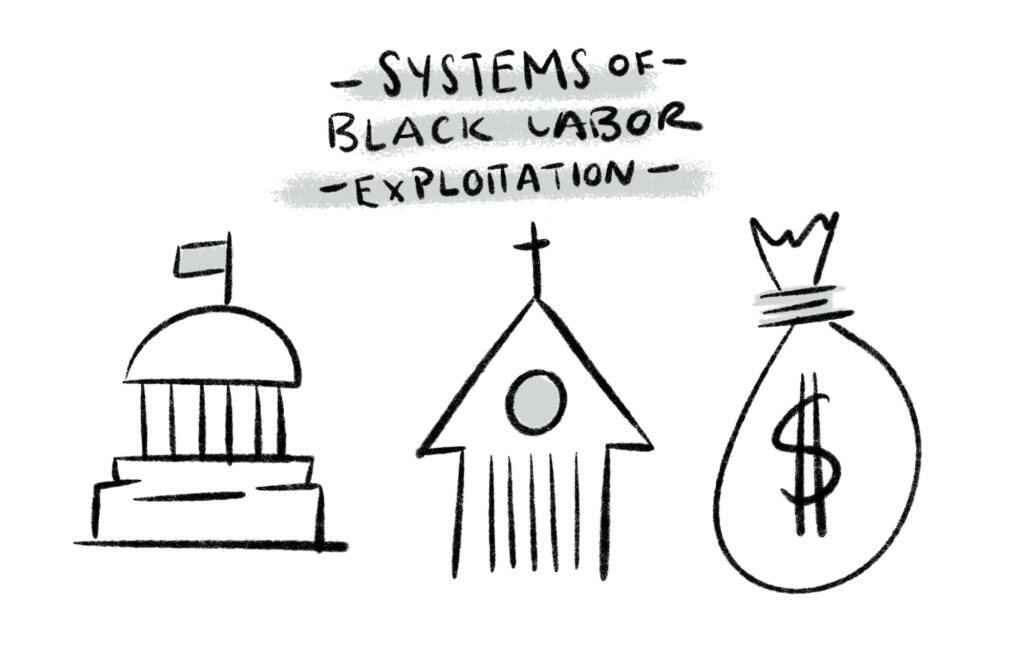
Walter Johnson’s book “The Broken Heart of America: St. Louis and the Violent History of the United States” motivated me to take a closer look at St. Louis’ history. Through my research, I came to better understand how religious institutions, government systems and economic structures were the three strands of a braid that have exploited Black labor and communities. My focus, though, is not Black victimhood; it’s Black resistance. I did a lot of digging and found Black voices in the archives of the Missouri History Museum and St. Louis County Library. I also worked with the WashU and Slavery Project. From that research, I learned so much about the Black resistance here — Jeannette Forchet, a formerly enslaved Black woman who became a landowner and worked with Pierre Laclede; Mary Meachum, who helped some of Henry Shaw’s slaves escape.
How did you end up interviewing Mali’s ambassador to the United States?
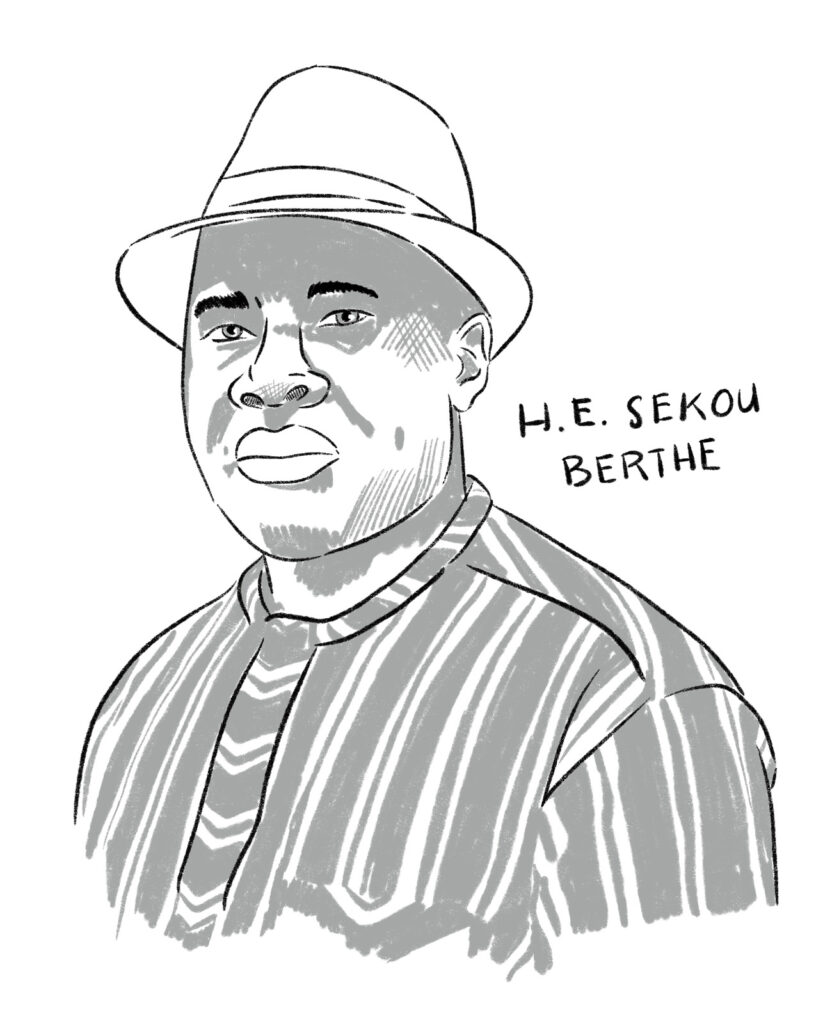
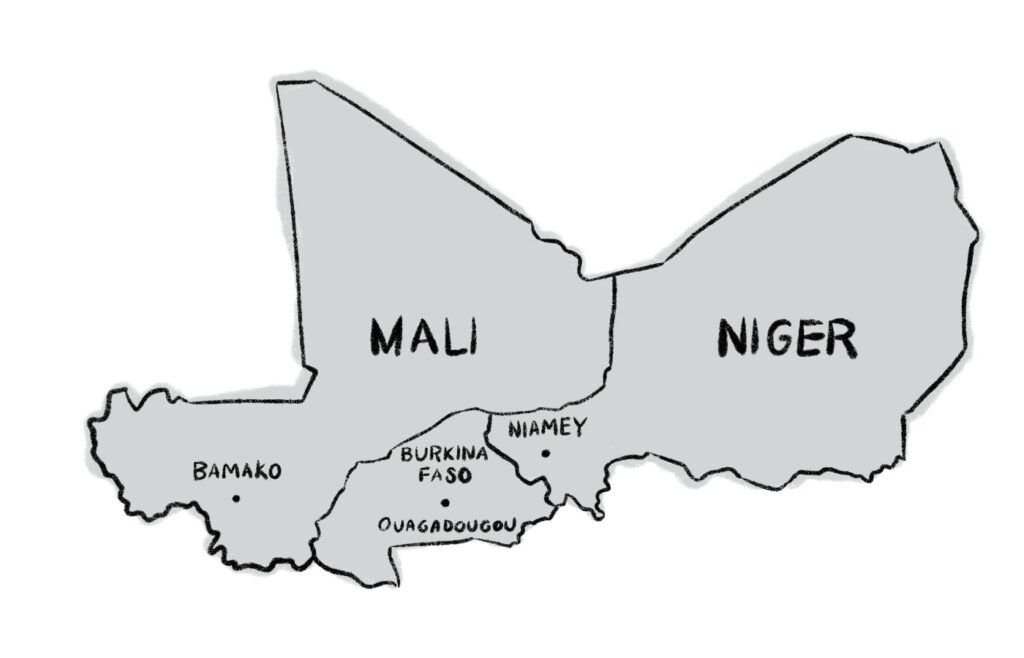
Again, it was important to me that my research be informed by Black voices. I wanted to learn more about the economies of Niger, Mali and Burkina Faso, which have been subjected to colonial and post-colonial extraction for centuries. I wrote to their embassies and, to my total surprise, the Malian embassy invited me to Washington, D.C., to meet with the ambassador and his advisers. We had a long, unfiltered conversation about Mali’s challenges and goals. He told me their No. 1 goal is to no longer be indebted to Western nations and banks and to reclaim their own resources. They have a long way to go — a journey that, I believe, could be expedited if the nations of the Sahel and its diaspora formed cooperative financial networks — but these nations are on their way to unbraiding the legacy of racial capitalism.