Researchers from the Brown School at Washington University in St. Louis have released new findings from their evaluation of St. Louis’ Guaranteed Basic Income (GBI) Pilot Program, showing that regular, unrestricted cash payments significantly improved participants’ economic security, credit health and overall quality of life.
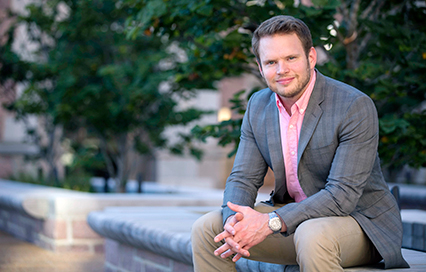
“A steady, predictable income stream gave families room to breathe — and to plan,” said Stephen Roll, an assistant professor at the Brown School and director of research at the Center for Social Development. “Families used the payments to stay current on bills, avoid crises, and invest in their children. Many were able to build emergency savings for the first time. When we trust families to make decisions for themselves, the outcomes are overwhelmingly positive.”
The pilot, launched in late 2023 by then-Mayor Tishaura O. Jones and Treasurer Adam L. Layne, provided $500 per month for 18 months to more than 500 low-income St. Louis families with school-age children.
St. Louis became one of 39 cities and counties that used American Rescue Plan Act dollars to launch GBI programs.
The Brown School’s Center for Social Development and its Evaluation Center conducted an independent, mixed-methods evaluation of the program, drawing on surveys, interviews, spending data and anonymized monthly credit records.
Across the study period, families reported fewer missed rent and utility payments and reduced food insecurity. Many used the monthly payments to meet essential household needs, manage unexpected expenses, and begin building emergency savings — something most participants lacked before the program began.
Parents also reported that the payments helped them better support their children’s education, extracurricular involvement and health needs.
Administrative credit data showed that participants’ credit scores increased by an average of 12 points over the course of the program compared with similar St. Louis residents who did not receive the payments. Researchers found that the improvement was primarily driven by fewer missed bill payments.
“The study demonstrated that $500 a month for just 18 months can reduce significant financial hardships like the ability to pay rent in full, afford prescriptions or maintain reliable transportation,” said Hannah Allee, associate director of the Evaluation Center.
“In addition to these meaningful, quantifiable differences, we found the program provided individuals with the ability to say yes to things like the $5 field trip or groceries to try a new recipe. We learned that it gave people a chance to not be in constant crisis and created room in their lives, and their budget, to experience moments of joy.”
A temporary, lawsuit-driven pause in payments in 2024 coincided with short-term declines in participants’ credit health, underscoring the importance of consistent and predictable income for financially stressed families.
The researchers note that while GBI is not intended to replace the public benefits system, it can complement existing supports by offering stability and flexibility that low-income families often lack. The research team recommended reducing administrative barriers in traditional programs, ensuring consistent payment delivery and offering optional financial capability services to help families reach long-term goals.
The St. Louis GBI program has ended and there are no current plans to extend it. “Given the success of the program, our hope is that the city, along with St. Louis-based philanthropies and businesses, can find ways of expanding this program in the future,” Roll said.
The findings came from evaluation briefs by researchers from the Brown School Evaluation Center, the Center for Social Development and collaborators at Appalachian State University. The American Rescue Plan Act, the Jack Dorsey #StartSmall Initiative and local philanthropic partners, including the James S. McDonnell Foundation, provided funding for the pilot program. Funding for the evaluation came from St. Louis city and the Deaconess Foundation.
In addition to Roll and Allee, other WashU researchers were Grace Anderson, Rachel Barth, Laura Brugger, Meihsi Chiang, Ashley Moore, Liz Rolf and Guangli Zhang.