
Pappu named 2019 Biophysical Society Fellow
The Biophysical Society recently named a bioengineer from Washington University in St. Louis, Rohit Pappu, as one of its 2019 Society Fellows.

Diving in to how our brains process information
Why don’t you eat your friend’s lunch when you are hungry? Cognitive control. Researchers at the School of Engineering & Applied Science and Arts & Sciences at Washington University in St. Louis are working together to better understand this aspect of cognition.
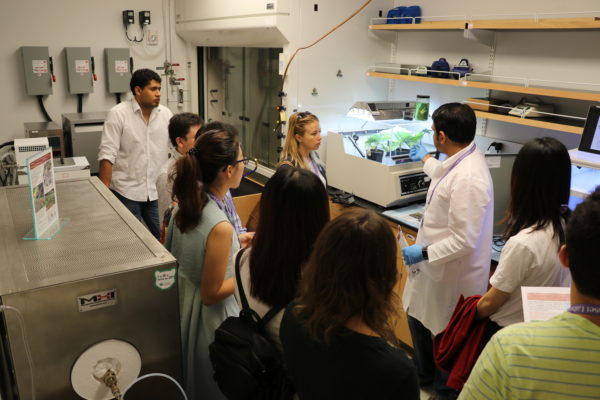
Research comes full circle at International Aerosol Conference
More than 1,500 of the world’s preeminent aerosol scientists gathered in St. Louis for the 10th International Aerosol Conference. The School of Engineering & Applied Science helped organize the meeting and presented talks on a wide range of aerosol topics: from air quality and pollution, to better drug delivery for cancer patients.
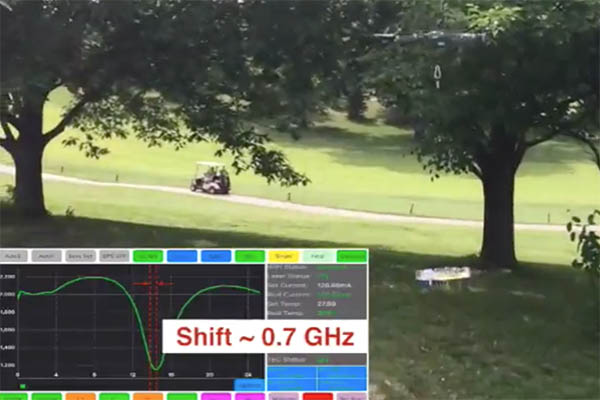
Enabling ‘internet of photonic things’ with miniature sensors
Swapping electrons for photons, researchers in the School of Engineering & Applied Science have developed wireless sensors which are not subject to electromagnetic interference and are smaller and generally more flexible than the currently electronics-based technology.
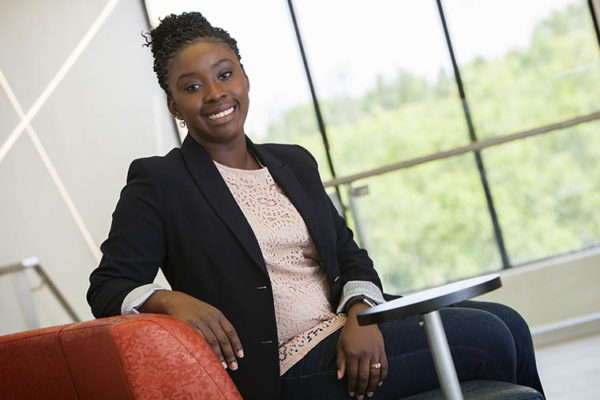
Making sense, pictures of medical data
A picture may be worth a thousand words, but what if you don’t want a whole essay? A computer engineer at Washington University in St. Louis is building visualizations to clarify and condense health risk data for patients.
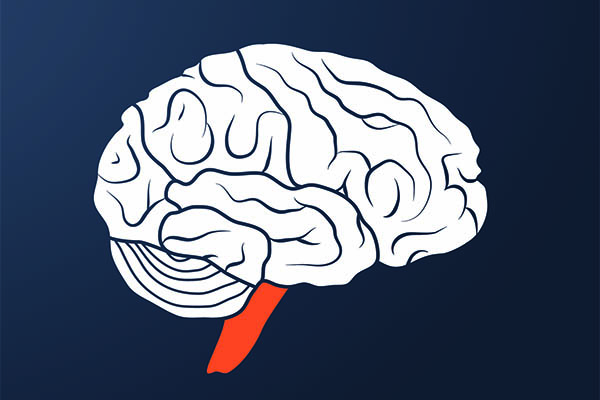
Focused delivery for brain cancers
Hong Chen, assistant professor of biomedical engineering in the School of Engineering & Applied Science and assistant professor of radiation oncology at the School of Medicine, reached across disciplines to work toward a more focused drug delivery system that could target tumors lodged in the brainstem, the body’s most precious system.

Machine learning used for helping farmers select optimal products suited for their operation
Washington University in St. Louis, in partnership with The Climate Corporation, a subsidiary of Bayer, are working to explore unique new technologies to advance the science behind hybrid selection & placement.
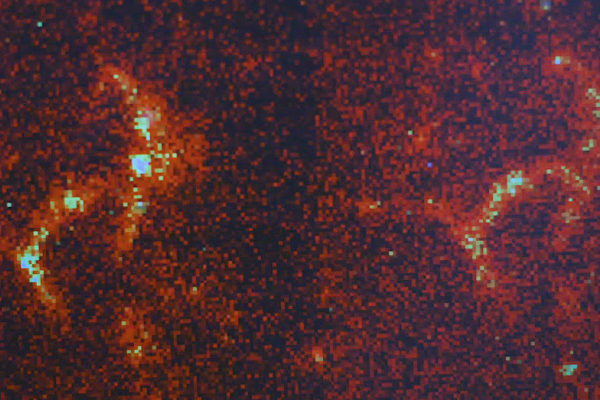
‘Blink’ and you won’t miss amyloids
Tiny protein structures called amyloids are key to understanding certain devastating age-related diseases, but they are so minuscule they can’t be seen using conventional microscopic methods. A team of engineers at Washington University in St. Louis has developed a new technique that uses temporary fluorescence, causing the amyloids to flash or “blink”, allowing researchers to better spot these problematic proteins.

In sync: How cells make connections could impact circadian rhythm
If you’ve ever experienced jet lag, you are familiar with your circadian rhythm, which manages nearly all aspects of metabolism. Every cell in the body has a circadian clock, but until now, researchers were unclear about how networks of cells connect with each other over time. Researchers at Washington University in St. Louis and collaborating institutions have developed a new method that sheds light on these circadian rhythm networks.
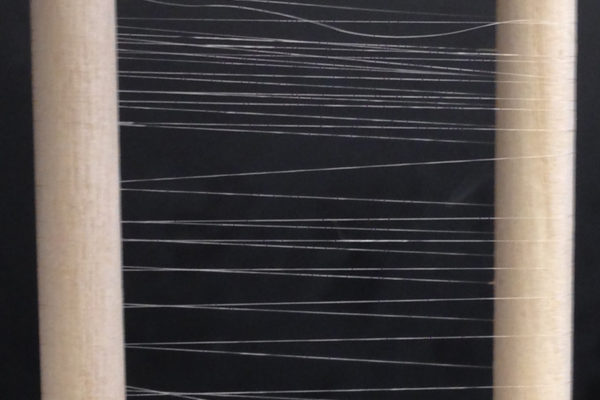
Bigger proteins, stronger threads: Synthetic spider silk
Scientists in the School of Engineering & Applied Science at Washington University in St. Louis have, for the first time, created a biosynthetic spider silk that behaves like the real thing. And they may soon make it even stronger.
View More Stories