The Washington University community is invited to nominate students for the 2023 James E. McLeod Honors and Awards Program. The nomination deadline is Feb. 28.
Foreign affairs specialist Fiona Hill will give an in-person chat at WashU on Thursday, Jan. 26, an Assembly Series event. The topic: Russia’s invasion of Ukraine.
Kris Campa is the first graduate of the John B. Ervin Scholars Program to lead it. He mentors students in his capacity as Ervin director and while teaching creative writing in University College.
While there are signs the economic conditions are improving, small businesses are more likely to feel the pinch of rising interest rates, a looming recession threat and persistent labor shortages in 2023, according to Olin Business School’s Peter Boumgarden.
If the historic five-day, 15-ballot floor fight to elect the House speaker is any indication, the next two years in American politics will be marked by unavoidable gridlock and vetoes, according to Arts & Sciences’ Steven Smith.
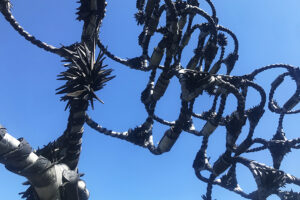
Celebrated sculptor Chakaia Booker will launch the Sam Fox School’s spring Public Lecture Series with a free talk Jan. 19. Subsequent speakers will range from Pritzker Prize-winning architect Francis Kéré to author and illustrator Deb J.J. Lee, avant-garde stage director Robert Wilson and fashion technologist Anouk Wipprecht.
Amira Jihane Khelfallah, a doctoral candidate in comparative literature in Arts & Sciences, won a special jury prize during the 11th International Film Festival of Algiers.
Gut bacteria can influence brain health, according to a study of mice genetically predisposed to develop Alzheimer’s-like brain damage. The School of Medicine study findings suggest a new approach to treating Alzheimer’s and other neurodegenerative diseases.
A School of Medicine study may help explain how excess weight can contribute to diabetes and may provide researchers with a target to help prevent or delay diabetes in some of those at risk. The findings suggest that many people with elevated levels of insulin also have defects in an enzyme important to the processing of a key fatty acid.
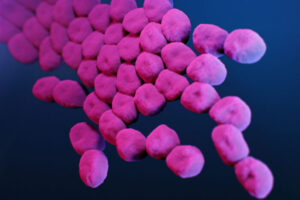
A study, in mice, from the School of Medicine, suggests that the bacterium Acinetobacter can hide undetected in bladder cells and then reactivate when stimulated by medical intervention. The findings suggest that patients may bring the bacterium into hospitals.