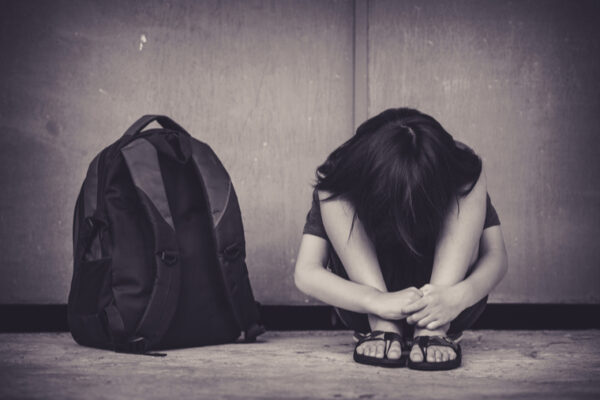
Suicidal thoughts in 9- and 10-year-olds correlate to family dynamics
Research from Washington University in St. Louis shows a nontrivial rate of children as young as 9 and 10 years old are thinking about suicide. How their families interact — or don’t — may play a role.
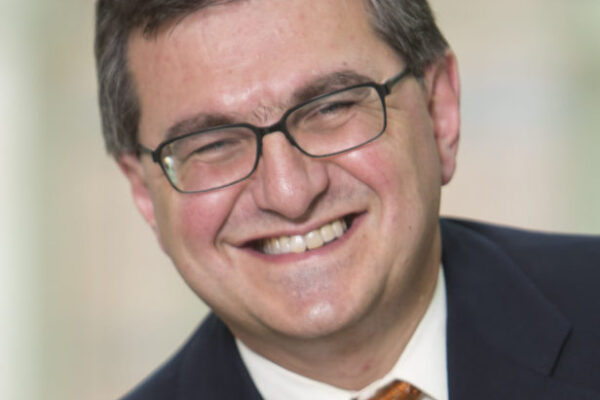
Coronavirus far greater threat than SARS to global supply chain
Panos Kouvelis, who teaches and helped to popularize the Waffle House Index regarding natural-disaster responses, says the outbreak’s impact on global supply chains promises to be two times worse than when the SARS virus emerged in 2002 in China.
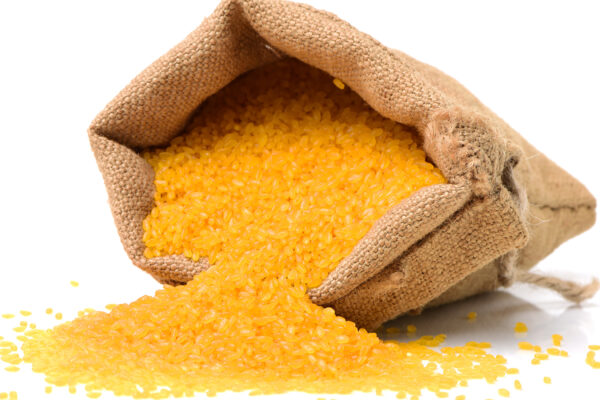
No clear path for Golden Rice to reach consumers
Heralded as a genetically modified crop with the potential to save millions of lives, Golden Rice has just been approved as safe for human and animal consumption by regulators in the Philippines. But a new study by Glenn Davis Stone, professor of sociocultural anthropology and environmental studies in Arts & Sciences, finds that most families affected by Vitamin A deficiency can’t grow Golden Rice themselves, and most commercial farmers won’t grow it either.
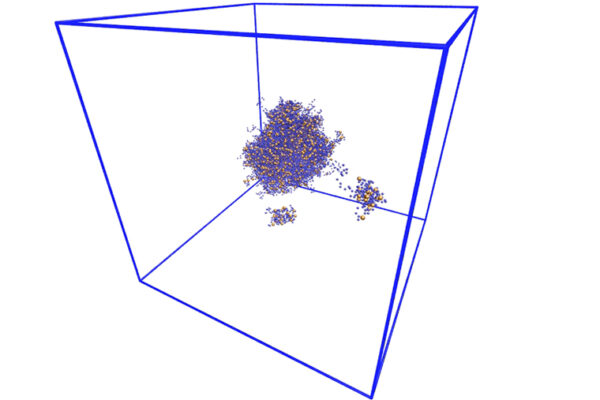
Collaboration lets researchers ‘read’ proteins for new properties
A collaboration between the McKelvey School of Engineering and St. Jude Children’s Research Hospital uncovers the underlying rules that, when broken, contribute to neurodegenerative diseases such as ALS.
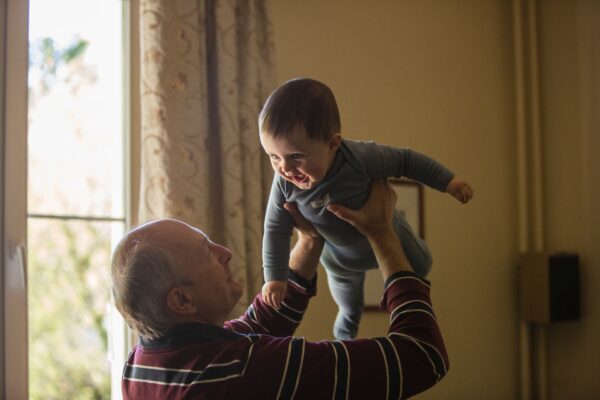
Being raised by grandparents may increase risk for childhood obesity
Grandparental child care is linked to nearly a 30% increase in childhood overweight and obesity risk, finds a new analysis from the Brown School at Washington University in St. Louis.
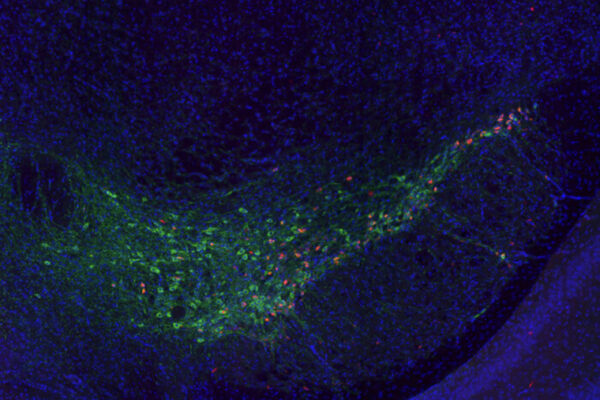
Gene ID’d as potential therapeutic target for dementia in Parkinson’s
Researchers at the School of Medicine have discovered that the genetic variant APOE4 – long linked to dementia – spurs the spread of harmful clumps of Parkinson’s proteins through the brain. The findings suggest that therapies that target APOE might reduce the risk of dementia for people with Parkinson’s disease.
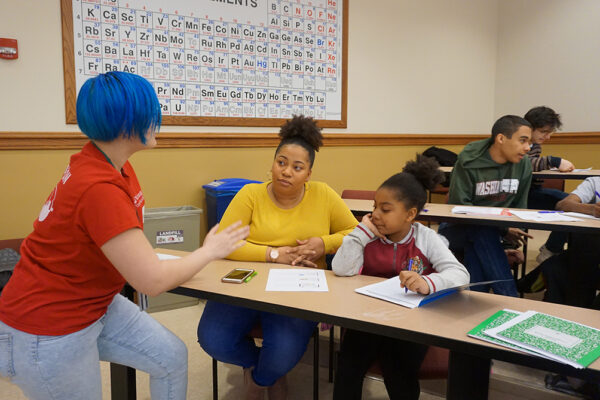
WashU Expert: How to pick a science fair project
To the 80,000 parents — um, make that students — who will compete in the upcoming St. Louis Science Fair, Washington University in St. Louis senior Sam Martorana offers this advice: Follow your passion, not the rubric.
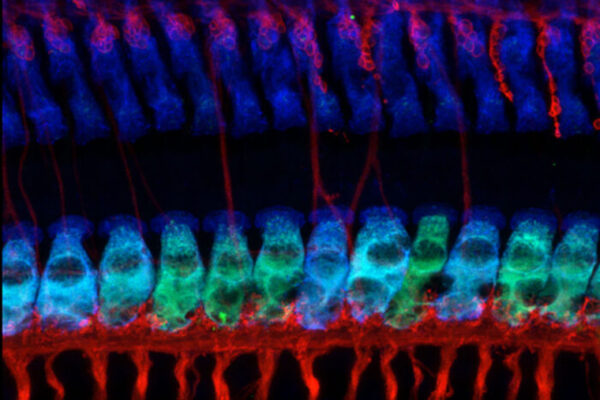
Noise-induced hearing loss blocked with drug compound
Studying mice, researchers at the School of Medicine and their colleagues have shown that a drug compound can block damage caused by too much glutamate signaling, raising the possibility of medication that prevents noise-induced hearing loss.
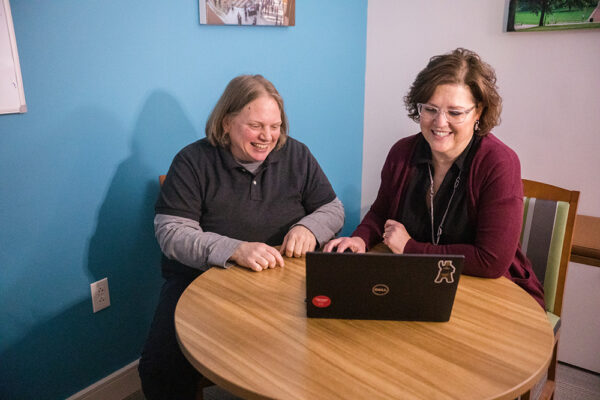
New partnership streamlines hiring process for LaunchCode grads
Training, and retaining, tech talent is essential to St. Louis’ continued economic growth. A new partnership between Washington University in St. Louis and the nonprofit organization LaunchCode makes the transition from apprentice to full-time employee at the university easier for LaunchCode graduates.

Ultra-high energy events key to study of ghost particles
Bhupal Dev, assistant professor of physics in Arts & Sciences at Washington University in St. Louis, proposes a new way to leverage data from ultra-high energy neutrinos from large neutrino telescopes such as the IceCube Neutrino Observatory in Antarctica.
View More Stories