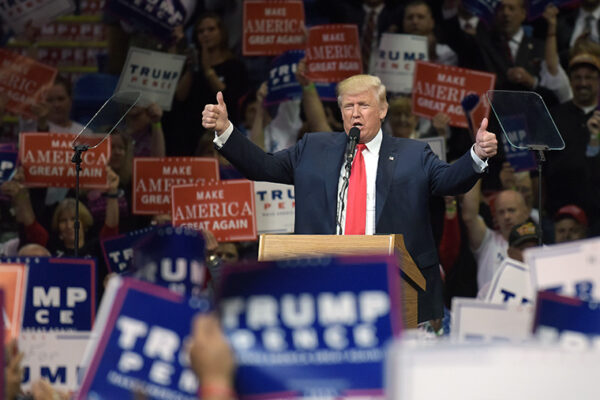
Partisanship, the economy and presidential accountability
New Arts & Sciences research shows that voters are surprisingly objective in how they assess the economy. Voters will actually hold the president accountable for the state of the world, Andrew Reeves said.
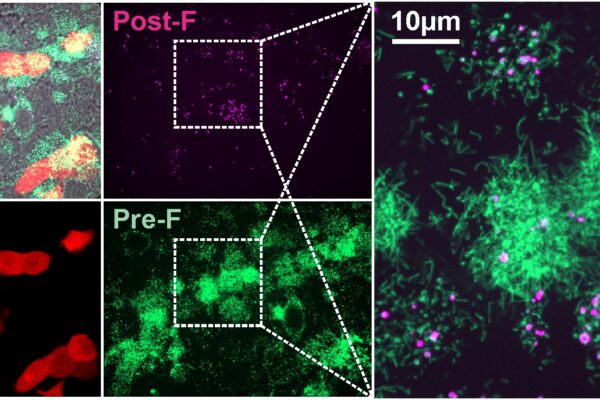
Shape of virus may determine RSV infection outcomes
Using a novel technology, the lab of Michael Vahey at the McKelvey School of Engineering uncovered shape-shifting properties of a common respiratory virus.
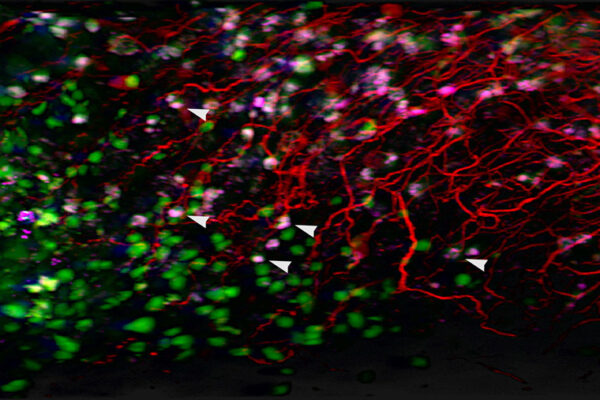
$7.5 million to study elusive cell type important in aging, cancer, other diseases
Washington University School of Medicine in St. Louis has joined the NIH’s SenNet, a national research network focused on understanding senescent cells, an elusive but important cell type that plays key roles in the diseases of aging.
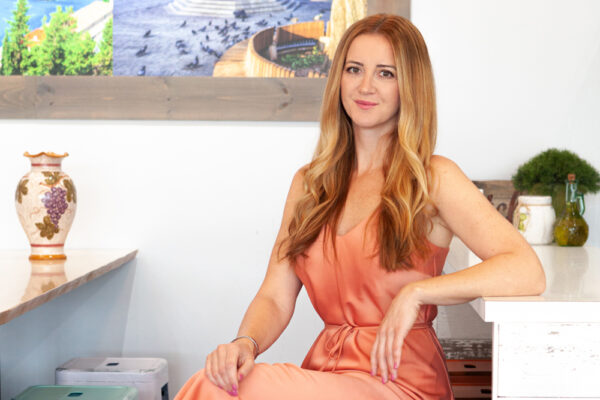
WashU alum Josi Jahic: journey from HR to restaurateur
Josi Jahic (MBA, 2015) never expected to be part of the restaurant business. “When I was in college,” she said, “I would do any kind of work other than restaurant work.” Now Josi finds herself at the center of J’s Pitaria, a Mediterranean restaurant she founded with her husband Zamir. At J’s, speed takes a back […]
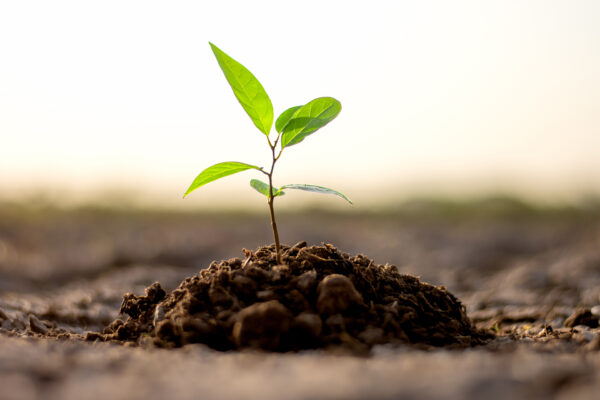
First artificial scaffolds for studying plant cell growth
Ryan Calcutt and Ram Dixit in Arts & Sciences and their collaborators created the first artificial scaffolds that can support the growth of individual plant cells — a discovery that will make it possible to study how forces such as gravity affect the way that plant cells form and grow.

Psychotic experiences in children predict genetic risk for mental disorders
New research from Washington University suggests that psychotic-like experiences in children may predict risk for mental illness.
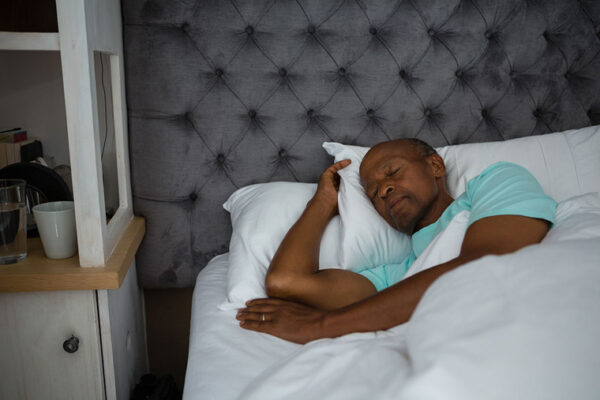
Hit the sleep ‘sweet spot’ to keep brain sharp
Older adults who sleep short or long experienced greater cognitive decline than those who sleep a moderate amount, even when the effects of early Alzheimer’s disease were taken into account, according to a study by researchers at Washington University School of Medicine.
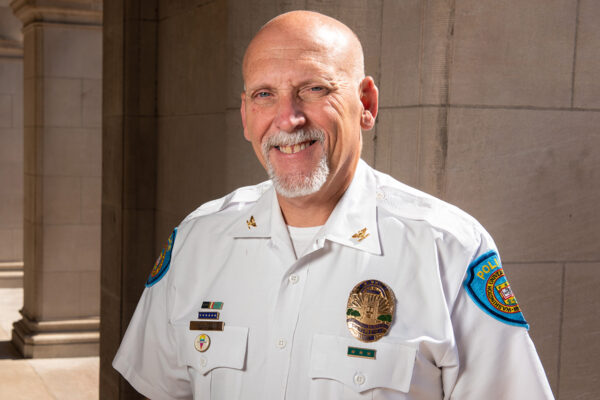
Glenn to retire as chief of Washington University Police Department
Mark Glenn, chief of the Washington University Police Department (WUPD), will retire from the university and leave his position on Nov. 8, according to Shantay Bolton, executive vice chancellor for administration and chief administrative officer.

Teaching about race in K-12 education
Lisa Gilbert, a lecturer in education in Arts & Sciences, shares her perspective on how social studies education has changed over the last 20-30 years, why this has become such a polarizing issue and where schools should go from here.

Environmental injustice, population density and the spread of COVID-19 in minority communities
Research from the lab of Rajan Chakrabarty at the McKelvey School of Engineering connects environmental injustice to the spread of COVID-19 in communities with high minority populations.
View More Stories