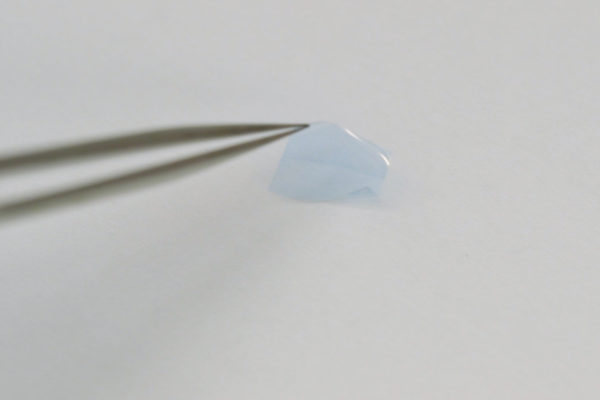
New patch boosts brightness in medical diagnostic tests
A multidisciplinary team from Washington University in St. Louis and the Air Force Research Laboratory at Wright-Patterson Air Force Base has developed a high-tech fix that brings some medical diagnostic tests out of the dark and into the light.
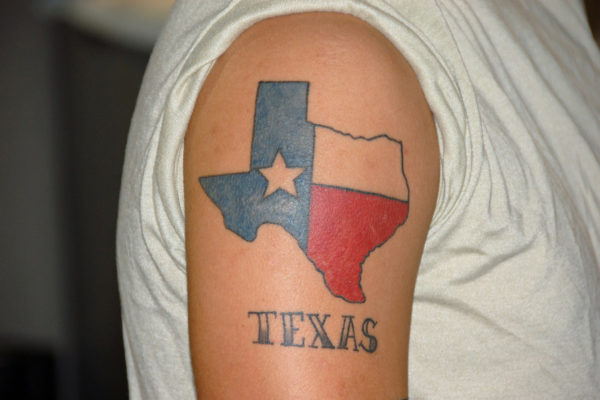
Sorry Virginia, U.S. history isn’t all about you
As the United States celebrates its founding on July 4, new research on “collective narcissism” suggests many Americans have hugely exaggerated notions about how much their home states helped to write the nation’s narrative.
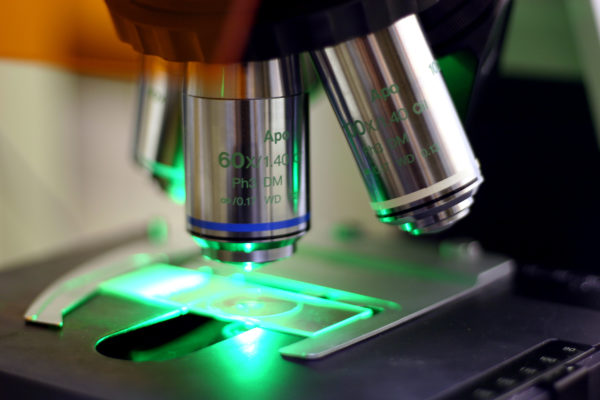
Building a better microscope
Like our eyes, microscopes are limited in what they can see because of their resolution, or their ability to see detail. An engineer at Washington University in St. Louis plan to use funding from the National Science Center to build a more precise microscope.
Courage in the face of climate change
Thirty years ago this month, the term global warming became part of our popular conversation. Doctoral candidate Andrea Godshalk from the Sam Fox School of Design & Visual Arts reflects on the recent Saint Louis Climate Summit and the challenge of re-imagining key infrastructure, systems and values.
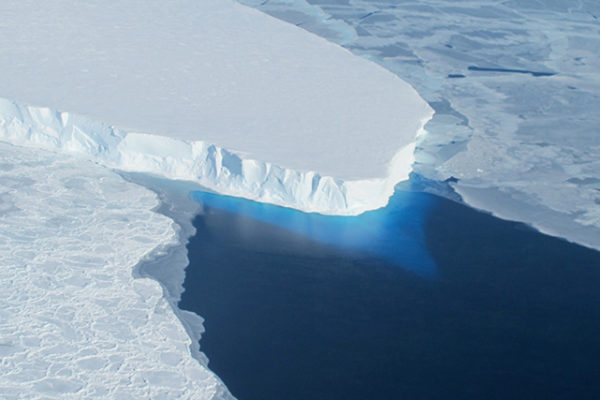
Bedrock in West Antarctica rising at surprisingly rapid rate
The findings, reported in the journal Science, contain positive implications for the survival of the West Antarctic Ice Sheet, which scientists had previously thought could be doomed because of the effects of climate change, according to study co-author Douglas Wiens of Arts & Sciences.
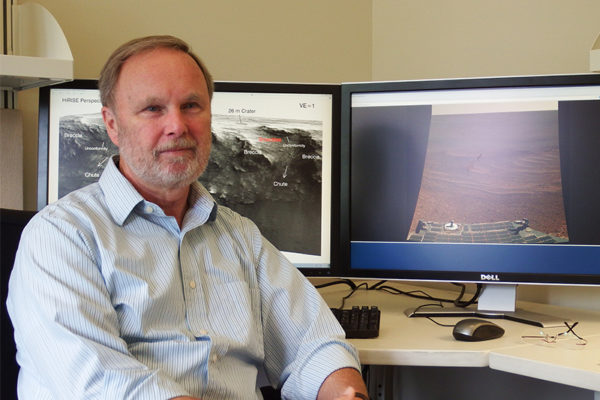
WashUExpert: Organic molecules on Mars
The Curiosity Rover mission found signs of organic materials on Mars dating back about 3.5 billion years, NASA announced June 7. It could be a big deal, said Raymond Arvidson, the James S. McDonnell Distinguished University Professor in Arts & Sciences.

New tools reveal prelude to chaos
Engineers at Washington University in St. Louis have developed tools that mathematically describe the kinetics in a system right before it dissolves into randomness.

The future of energy
So what does the future have in store for us in regard to energy resources, consumption and technology? Aaron Bobick, dean of the School of Engineering & Applied Science, breaks down the issue in his blog, “The Observational Engineer.”
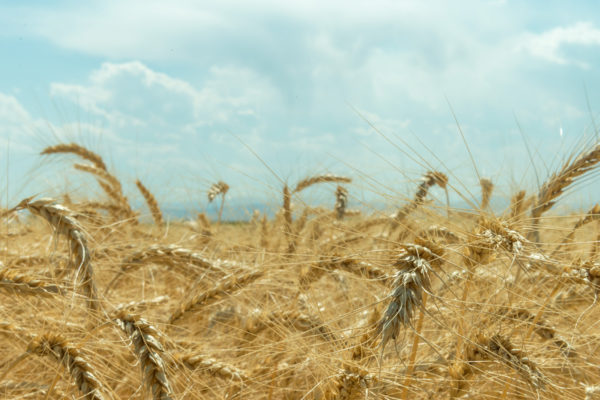
New clues on the origins of agriculture
Using a new approach, researchers from Colorado State University and Washington University have uncovered evidence that underscores one long-debated theory about the origins of agriculture.
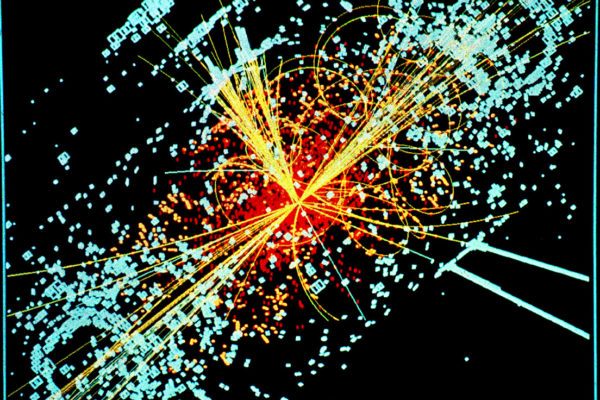
Flavor of the moment
In a new paper in the journal Physical Review Letters, Bhupal Dev, assistant professor of Physics in Arts & Sciences at Washington University in St. Louis, describes how future accelerators could crash together charged particles in a new way to shed light on their behavior.
Older Stories