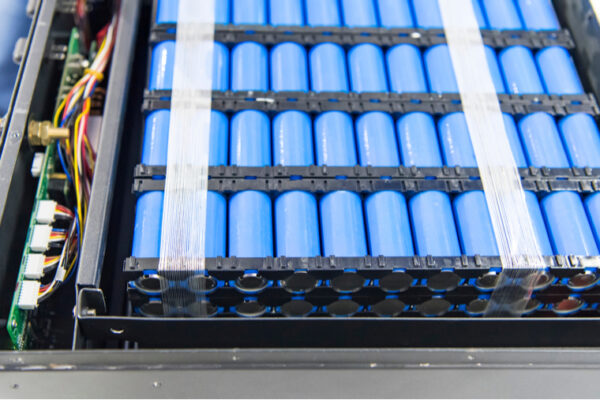
Simple tools reveal high-fidelity truth in lithium-ion batteries
New research from the lab of Peng Bai uncovers true current density — and the forces that shape it.
Amari receives Urey Award for career in cosmochemistry
Sachiko Amari, research professor of physics in Arts & Sciences, received the H. C. Urey Award from the European Association of Geochemistry for outstanding contributions advancing geochemistry.
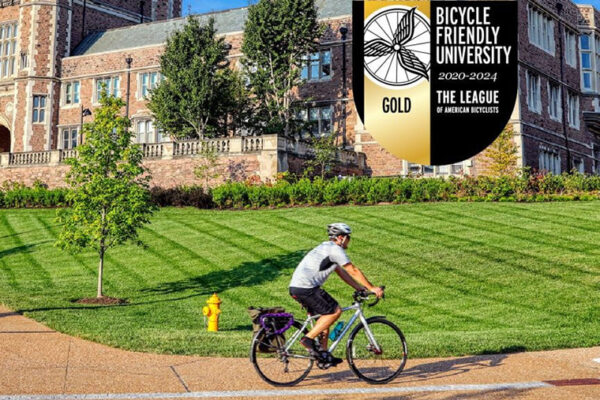
Washington University named a Gold Bicycle Friendly University
Washington University in St. Louis has earned a 2020 Gold Bicycle Friendly University (BFU) designation. The award, given by the League of American Bicyclists, recognizes institutions of higher education for providing a more bikeable campus for faculty, staff, students and visitors. The university is the first in Missouri to receive a BFU designation at a gold or platinum level and one of only six in the Midwest.

Lu named editor-in-chief of ACM Transactions on Cyber-Physical System
Chenyang Lu, the Fullgraf Professor at the McKelvey School of Engineering, has been named editor-in-chief of ACM Transactions on Cyber-Physical Systems, the field’s flagship journal.
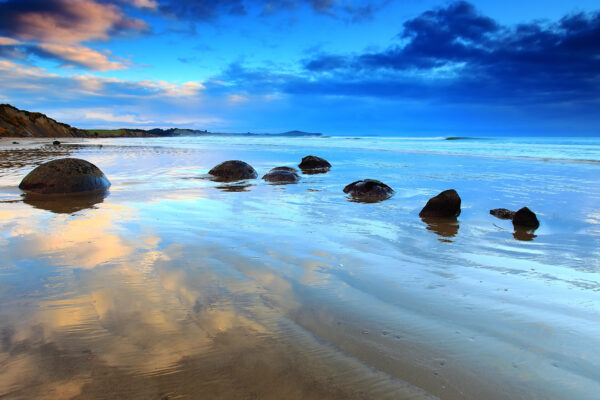
When using pyrite to understand Earth’s ocean and atmosphere: Think local, not global
Scientists have long used information from sediments at the bottom of the ocean to reconstruct conditions in oceans of the past. But a new study from David Fike, professor of Earth and planetary sciences in Arts & Sciences, raises concerns about a common use of pyrite for this purpose.
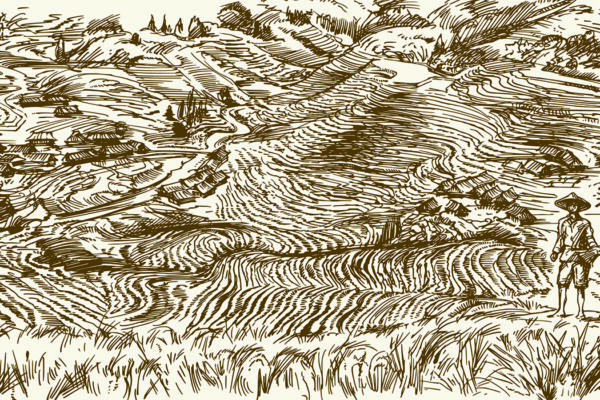
Under climate stress, human innovation set stage for population surge
Anthropologist T.R. Kidder in Arts & Sciences published new research that shows that aridification in the central plains of China during the early Bronze Age did not cause population collapse. The results highlight the importance of social resilience to climate change.
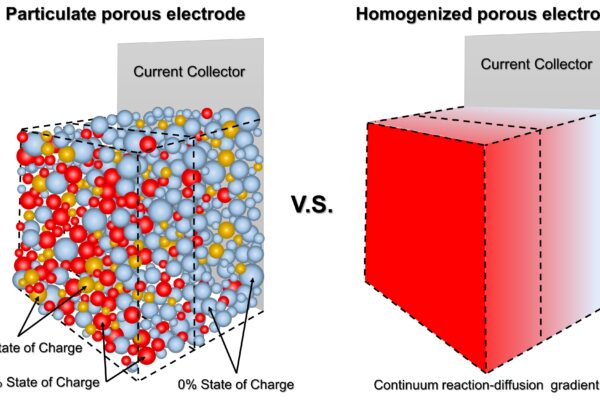
Bai receives NSF CAREER Award
Peng Bai, assistant professor at the McKelvey School of Engineering, has received a $503,025 CAREER Award from the National Science Foundation.
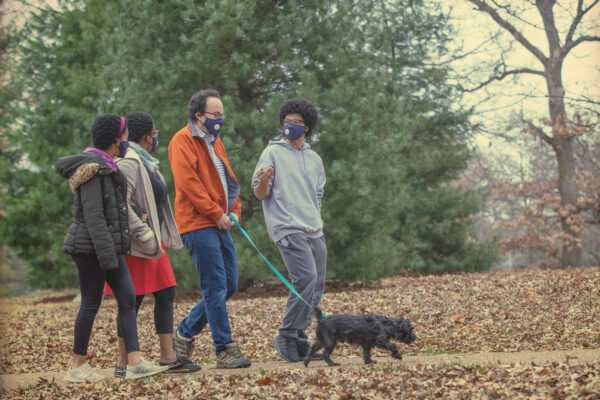
Life in the time of COVID
In 2020, so much about what we know to be normal came to a grinding halt for the WashU community. One week in March, we’re looking ahead to spring break, and then suddenly it’s an unending hiatus. Yet the work of the university, and its families, goes on.
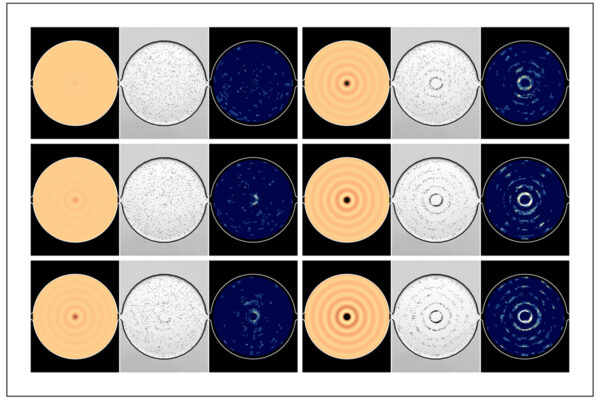
Fine-tuning device performance with swarms of swimming cells
J. Mark Meacham’s lab in the McKelvey School of Engineering uses motile algae cells to measure performance of high-tech microfluidic devices.

Midwest-UK dialogue to examine collaborative climate action
The British Consulate-General in Chicago will partner with the Midwest Climate Summit for an online climate action dialogue March 3; the Washington University community is invited to attend.
Older Stories