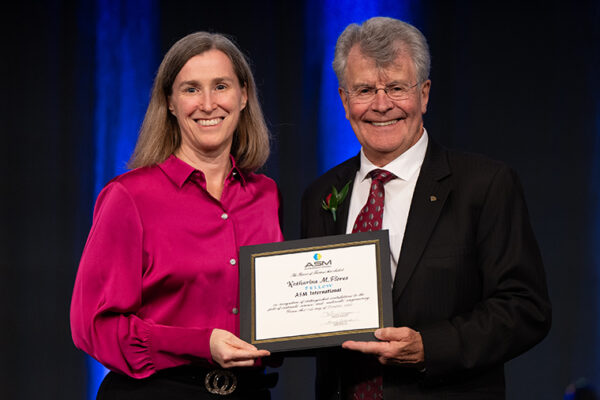
Flores named ASM Fellow
Katharine M. Flores, the Christopher I. Byrnes Professor at the McKelvey School of Engineering, has been elected a Fellow of ASM (American Society for Metals) International for her contributions to the field of materials science and engineering.

Parker receives Morgan Early Career Award
Kimberly Parker, an assistant professor of energy, environmental and chemical engineering at the McKelvey School of Engineering, won the 2024 James J. Morgan Early Career Award from the American Chemical Society.
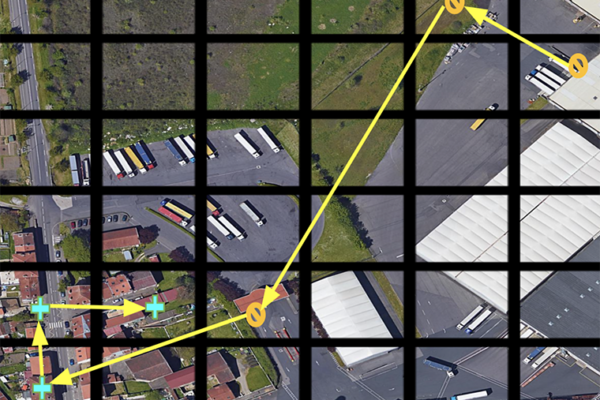
Meta-learning to find every needle in every haystack
A visual active search tool developed by Nathan Jacobs, Anindya Sarkar and Yevgeniy Vorobeychik at the McKelvey School of Engineering combines deep reinforcement learning with traditional active search methods.
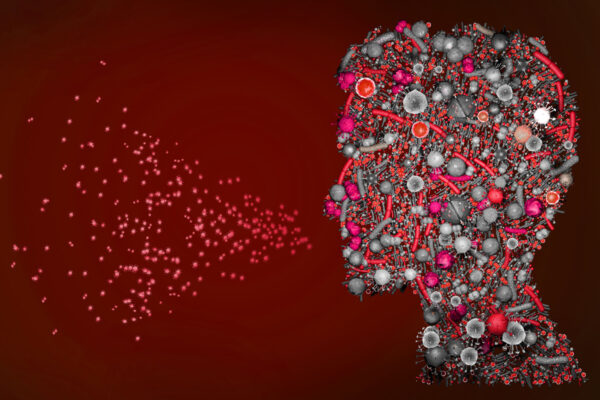
Team to develop breathalyzer test for COVID, RSV, influenza A
Washington University in St. Louis researchers will adapt their COVID-19-detecting breathalyzer to one that can also screen for common seasonal viruses with a two-year $3.6 million grant from Flu Lab. With the funding, they plan to take the technology from bench into clinical trials with the goal of preparing the handheld rapid screening breath test for commercial application and FDA registration.

Oyen named among trailblazing leaders in women’s health, FemTech
Michelle Oyen, an associate professor of biomedical engineering at the McKelvey School of Engineering, has been named among the 200 Trailblazing Leaders in Women’s Health and FemTech for 2023 by Women of Wearables.
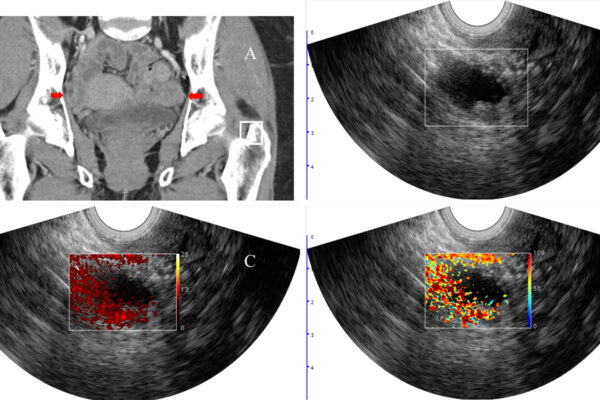
Photoacoustic imaging improves diagnostic accuracy of cancerous ovarian lesions
Researchers and clinicians at Washington University in St. Louis developed a new imaging method to better diagnose lesions in the ovaries and fallopian tubes that may help to avoid unnecessary surgeries.
Engineering customizable bio-adhesives for personalized medical repair
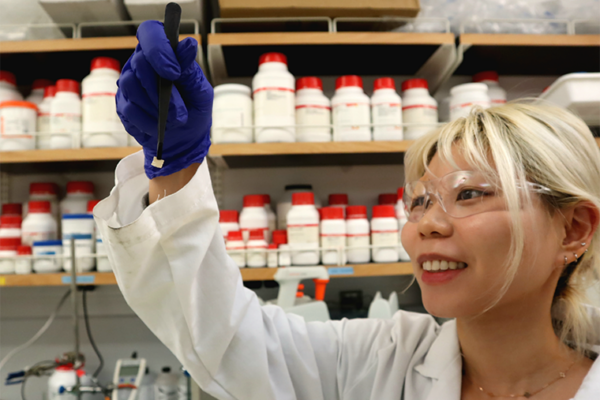
Researchers working with Fuzhong Zhang at the McKelvey School of Engineering have genetically engineered a protein-based bio-adhesive with programmable material properties.
Condensates’ composition determined by when RNA is added
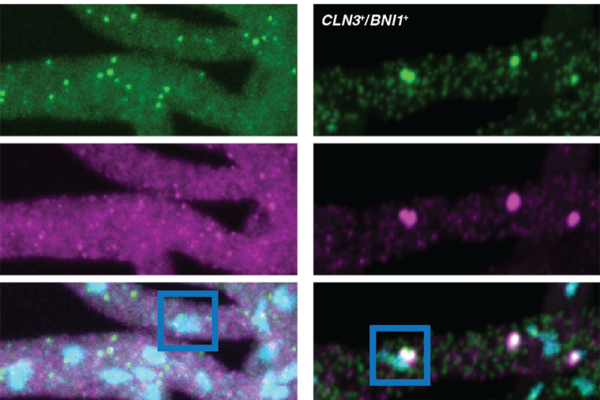
Collaborative research from Rohit Pappu’s laboratory at the McKelvey School of Engineering, published in Nature Communications, shows that timing matters when it comes to the order of how different RNA molecules are added to condensates.
2D material reshapes 3D electronics for AI hardware
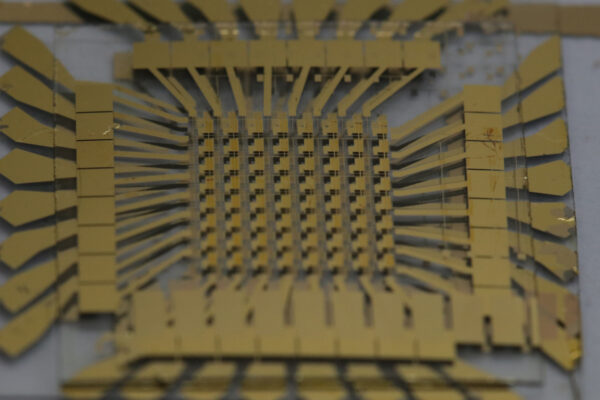
Sang-Hoon Bae at the McKelvey School of Engineering and collaborators have demonstrated integrated processing hardware they say could revolutionize artificial intelligence computing.

Improving autonomous driving
Nathan Jacobs at the McKelvey School of Engineering led a team that developed a joint learning framework to enhance two closely related computer vision tasks critical in autonomous driving applications.
Older Stories