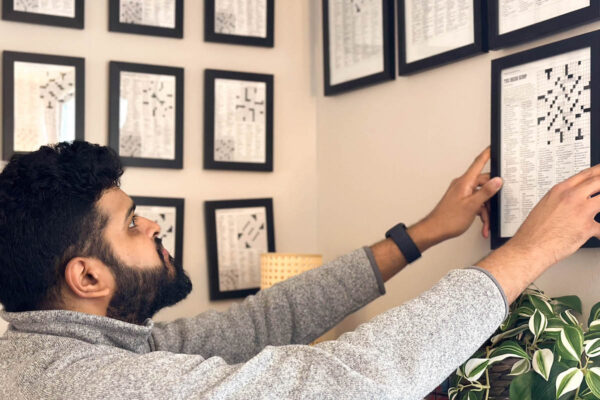
Uncovering ‘the basis of humanity’ one puzzle at a time
For WashU MD/PhD student Sid Sivakumar, studying the brain is like constructing a crossword puzzle. Conveniently, he does both. He crafts puzzles for The New York Times, Washington Post — and now, the Record.

New machine learning method can better predict spine surgery outcomes
Researchers at Washington University in St. Louis combine artificial intelligence and mobile health data to better predict recovery from lumbar spine surgery.
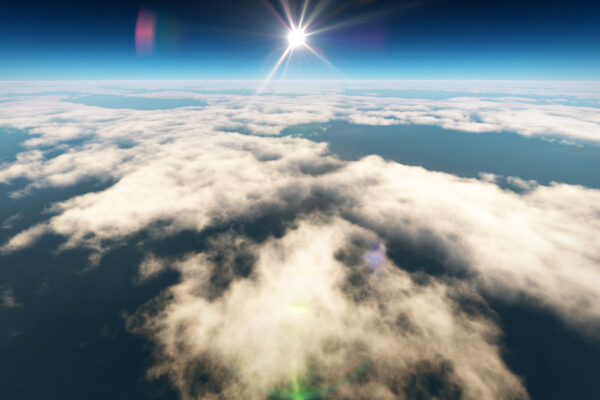
Chakrabarty, collaborators win Simons Foundation International grant for geoengineering
Scientists at the McKelvey School of Engineering at Washington University in St. Louis will explore stratospheric aerosol injection with a $1.5 million grant from the Simons Foundation International.
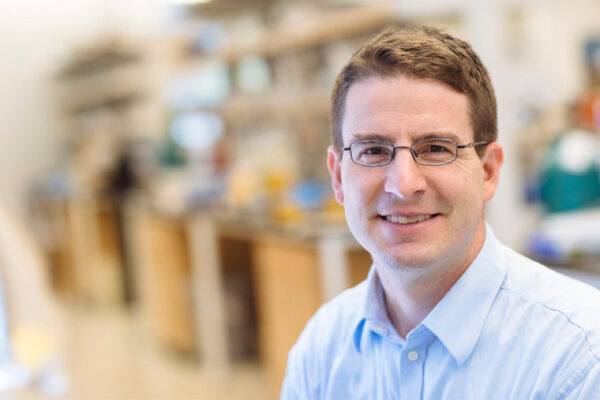
Giammar named fellow of AEESP
Dan Giammar, the Walter E. Browne Professor of Environmental Engineering in the McKelvey School of Engineering at Washington University, has been elected a fellow of the Class of 2024 Association of Environmental Engineering and Science Professors.
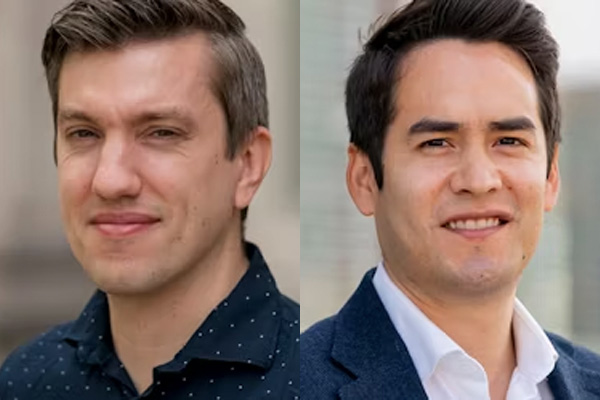
Lawrence, Seáñez win collaboration grants
Mark Lawrence and Ismael Seáñez, both assistant professors in the McKelvey School of Engineering at Washington University, have won $25,000 Collaboration Initiation Grants from the school.
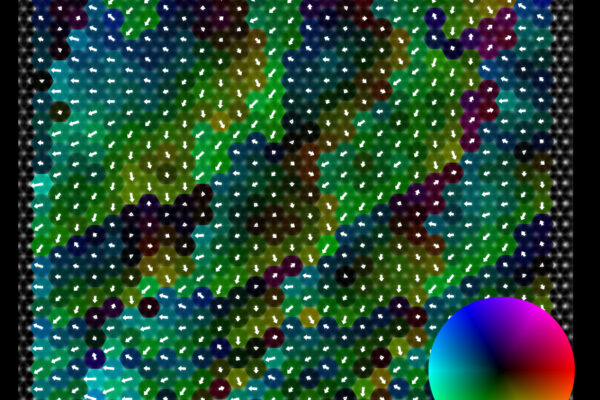
Tiny displacements, giant changes in optical properties
In a study published recently in Advanced Materials, researchers from Washington University and the University of Southern California reveal a new pathway for designing optical materials using the degree of atomic disorder. The researchers anticipate developing crystals that enable advanced infrared imaging in low-light conditions or to enhance medical imaging devices.
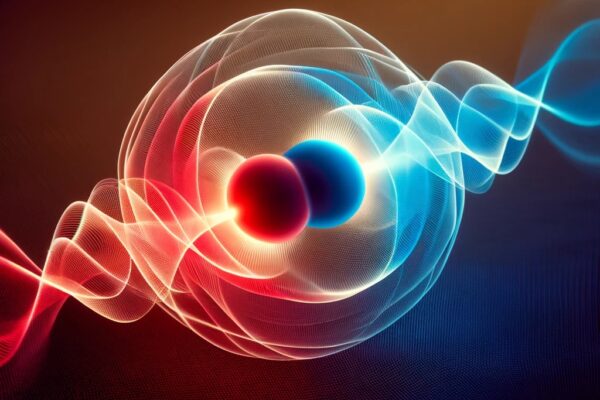
Quantum physics may help lasers see through fog, aid in communications
An engineer in the McKelvey School of Engineering at Washington University is implementing quantum technology to develop ways that lasers can operate effectively in challenging environments.
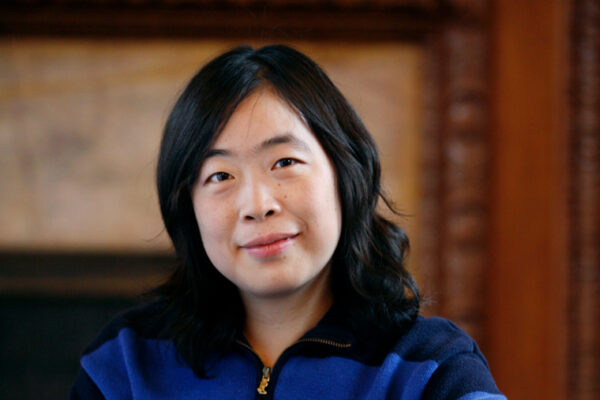
Barcodes expand range of high-resolution sensor
A technique developed by Washington University researchers vastly expands the range of optical sensors used in measuring chemical signatures and molecules.
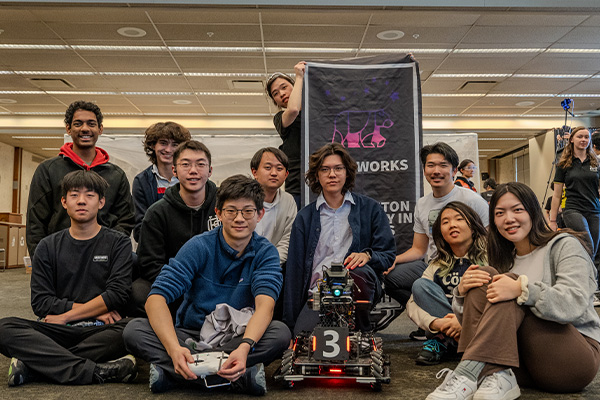
Ursaworks Robotics Club succeeds at competition
The Ursaworks Robotics Club at Washington University in St. Louis secured a second-place finish at the 2024 Midwest RoboMaster Competition.
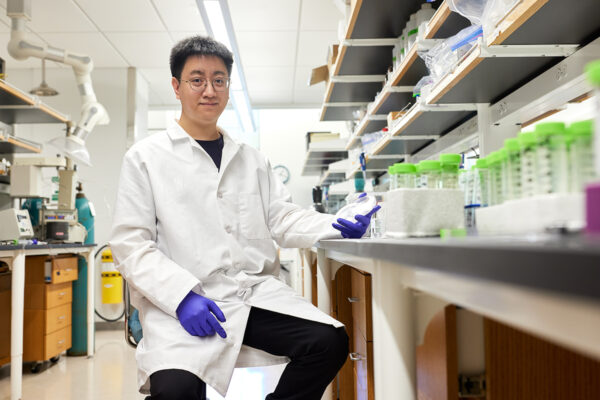
Class Acts: Ping-I (Dennis) Chou
Ping-I (Dennis) Chou soon will graduate from Washington University in St. Louis and begin work at Intel. He has studied water chemistry and plastics in the environment.
Older Stories