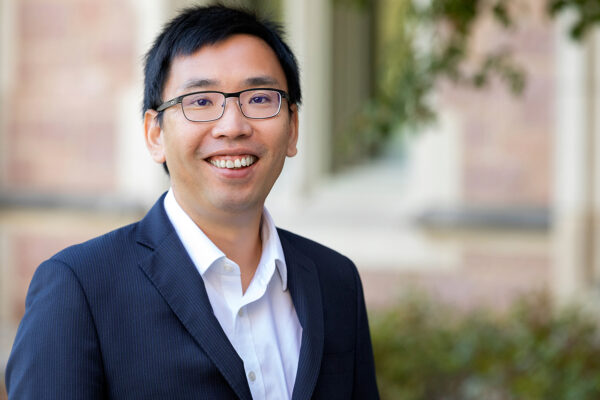
Jiao named ACS fellow
Feng Jiao, a professor at Washington University in St. Louis, was elected a 2025 American Chemical Society fellow.
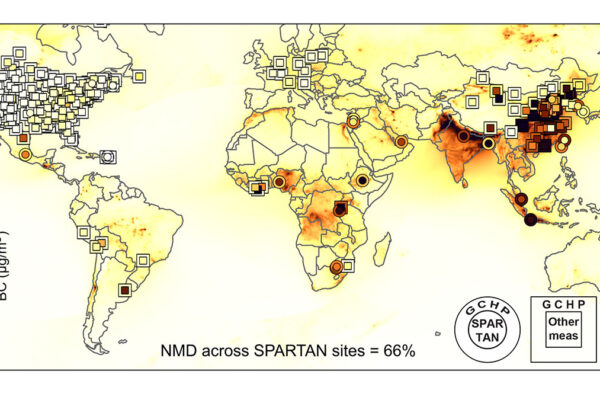
Black carbon emissions underestimated in ‘global south’
Researchers at Washington University in St. Louis have used a variety of models to measure ambient concentrations of black carbon in the “global
south” and found estimates of these harmful emissions have been grossly underestimated.
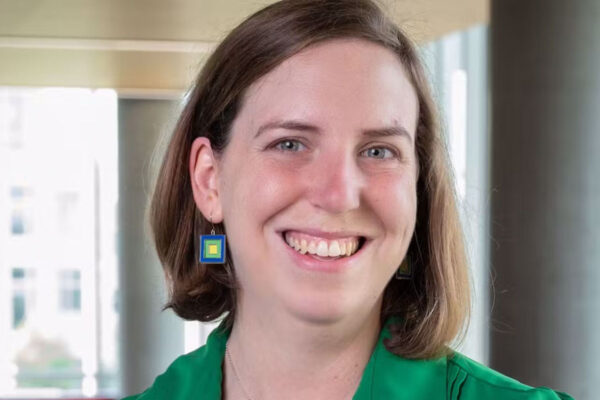
Brennan honored for excellence in engineering education
The American Society for Engineering Education has awarded Janie Brennan, a senior lecturer at Washington University in St. Louis, the Ray W. Fahien Award for early-career excellence in chemical engineering education.
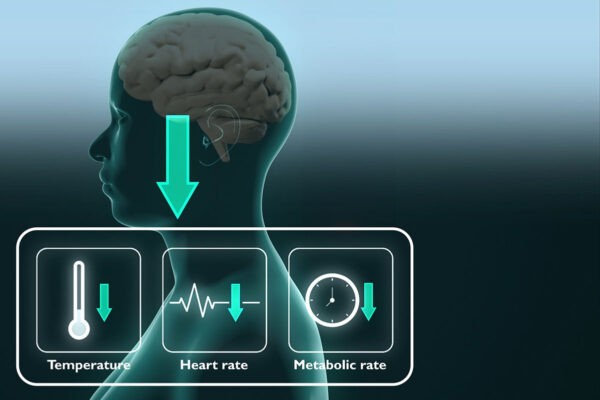
Synthetic torpor has potential to redefine medicine
Hong Chen, a biomedical engineer at WashU, shares the potential for using synthetic torpor technology to develop new treatments for a range of illnesses and injuries.
Former Boeing executive to lead professional education division
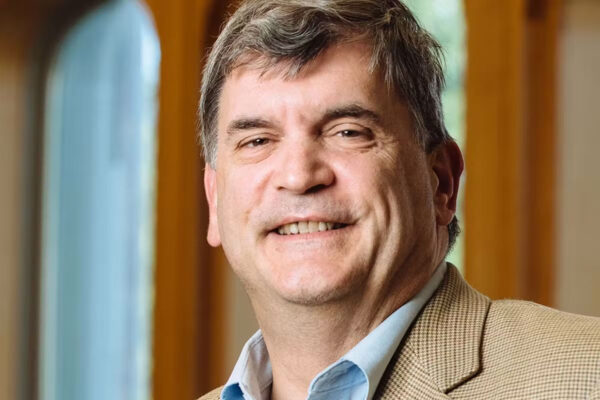
John F. Bade, a former executive of The Boeing Co. and a longtime professor of practice, has been named executive director of the Henry Edwin Sever Institute in the McKelvey School of Engineering.
Sun exposure changes chemical fate of littered face masks
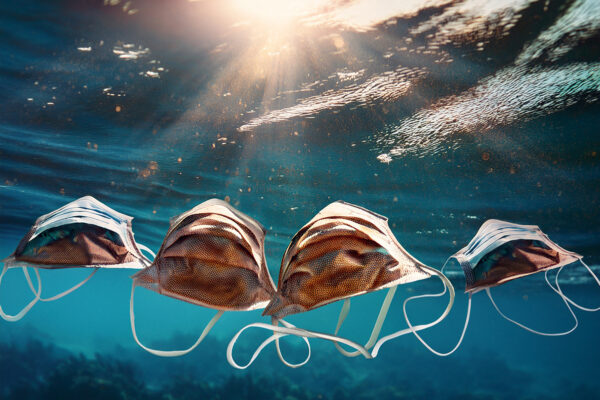
Researchers at Washington University in St. Louis reveal that discarded face masks undergo photochemical changes, influencing their surrounding environment.
WashU, MilliporeSigma sign collaboration agreement
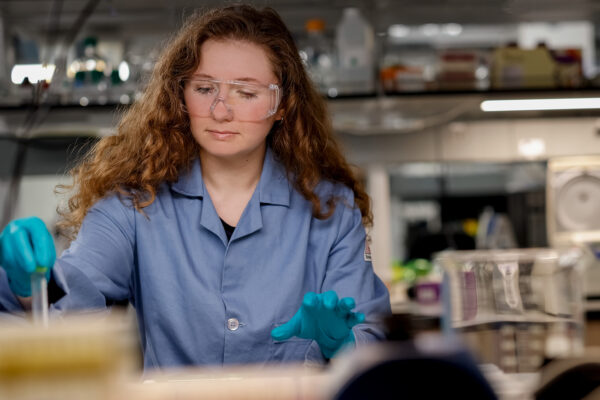
A project that could help scientists identify novel ways to fight disease is one of the research efforts that will get a significant boost under a new collaboration agreement that Washington University in St. Louis has signed with science and technology company MilliporeSigma.
Leaf-inspired design brings bioplastics to the big leagues
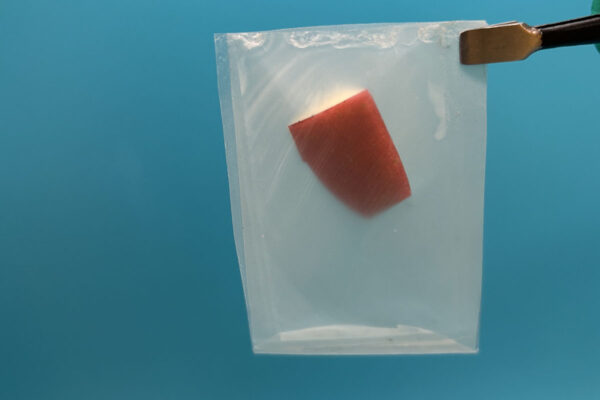
Using inspiration from the leaf, engineering researchers at Washington University in St. Louis have optimized bioplastics to be stronger and more biodegradable.
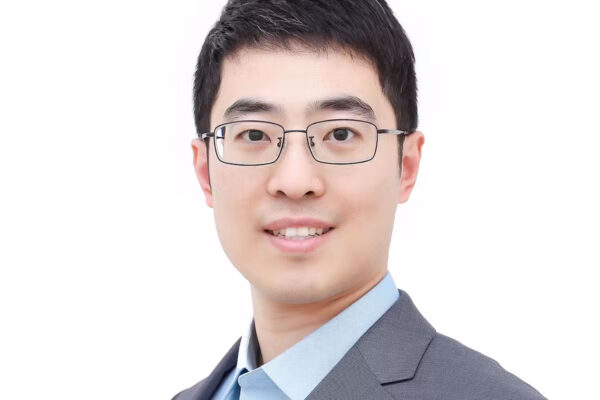
Xu receives engineering early career award
Lu Xu, an engineer at Washington University in St. Louis, has won the 2025 American Institute of Chemical Engineers Environmental Division Early Career Award.
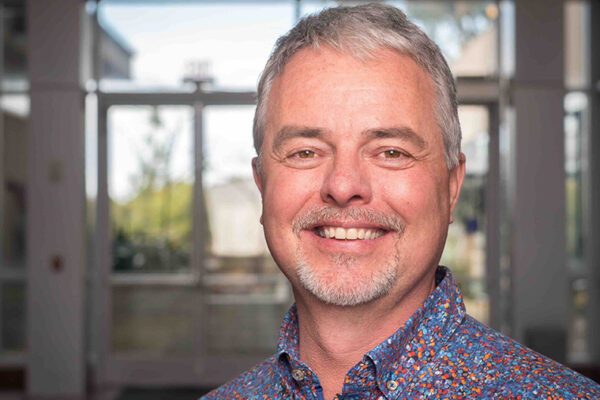
Friend named chair of mechanical engineering, materials science
James Friend, of the University of California, San Diego, has been named chair of the Department of Mechanical Engineering & Materials Science in the McKelvey School of Engineering. His appointment will begin in 2026.
Older Stories