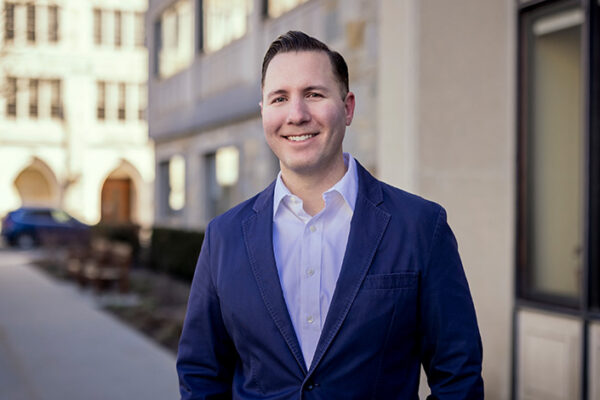
Halvorsen advises on spirituality study
Cal Halvorsen, an associate professor at the Brown School, served as adviser on a CoGenerate survey on faith communities and engagement.

Getting to root of rising antisemitism in America
Fighting rising antisemitism in the U.S. will require a dramatic shift in civility and a renewed focus on teaching history and religion, according to Mark Oppenheimer, at the John C. Danforth Center on Religion and Politics at Washington University in St. Louis. “The humanities don’t inoculate against hatred, but they give us the tools to fight it.”
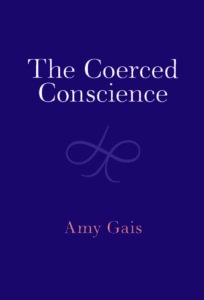
The Coerced Conscience
The Coerced Conscience examines liberty of conscience, the freedom to live one’s life in accordance with the dictates of conscience, especially in religion. It offers a new perspective on the politics of conscience through the eyes of some of its most influential advocates and critics in Western history, John Milton, Thomas Hobbes, Baruch Spinoza, and […]
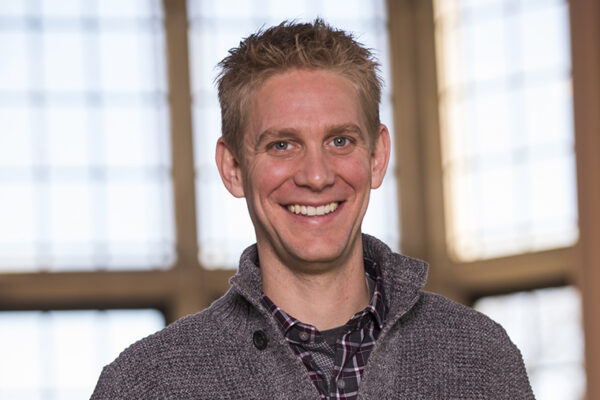
Van Engen appointed John C. Danforth Center on Religion and Politics director
Abram Van Engen, chair of the Department of English in Arts & Sciences, has been named the next director of the John C. Danforth Center on Religion and Politics. Van Engen has published widely on religion and literature.
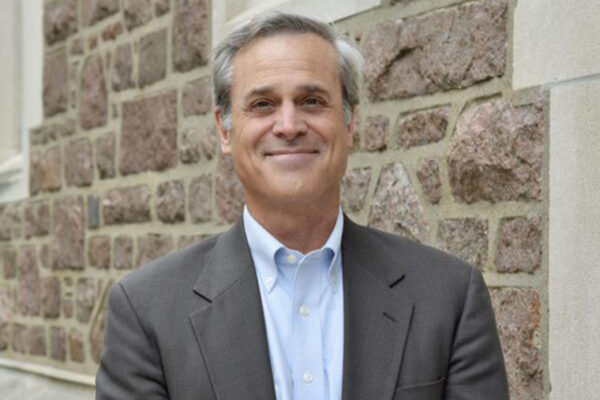
Valeri receives prize for best book concerning history of Christianity
Mark Valeri, director of WashU’s John C. Danforth Center on Religion and Politics, received the American Society of Church History’s annual award for best book on Christianity’s history by a North American scholar.

2024 presidential election experts
Washington University in St. Louis faculty experts are available to discuss a variety of topics related to the election, politics and national and local issues.

Ten Commandments display probably not legal
Louisiana’s recent legislation requiring the display of the Ten Commandments in every public school classroom is likely unconstitutional under the current framework of the Establishment Clause, said an expert on law and religion at Washington University in St. Louis.

Oppenheimer named Religion & Politics executive editor
Mark Oppenheimer, a well-known religion journalist and author, is the new executive editor of Religion & Politics, an online journal published by WashU’s John C. Danforth Center on Religion and Politics.

Millennial Jewish Stars
Navigating Racial Antisemitism, Masculinity, and White Supremacy
A case study by Jonathan Branfman, AB ’06, on six young Jewish entertainers and what their success reveals about race, gender, and antisemitism in America.

‘Democracy Awakening’ author Heather Cox Richardson to speak
The John C. Danforth Center on Religion and Politics at Washington University in St. Louis will host a discussion with Heather Cox Richardson, author of “Democracy Awakening: Notes on the State of America,” from 7-8:30 p.m. Monday, Dec. 4, in Graham Chapel.
Older Stories