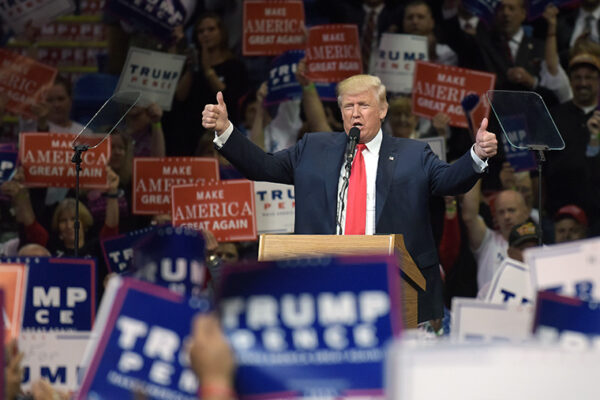
Trump indictment does not violate First Amendment
Former President Donald Trump was indicted this month over his efforts to overturn the results of the 2020 election. He plans to fight the charges by claiming in part that the prosecution would violate his right to freedom of speech. Not so, says First Amendment expert Greg Magarian.

Why pay transparency laws alone are not enough
Sociologist Jake Rosenfeld has a lot to say about the taboo subject of pay.
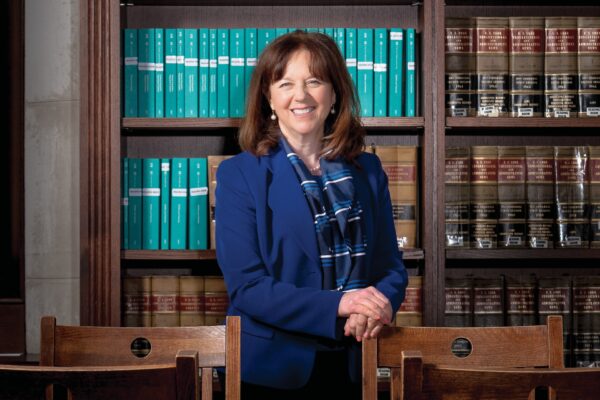
Forging a convention for crimes against humanity
Law professor and international criminal lawyer Leila Nadya Sadat explains why she’ll ‘never give up’ in the pursuit of a global treaty to prosecute mass crimes taking place in Ukraine and around the world.
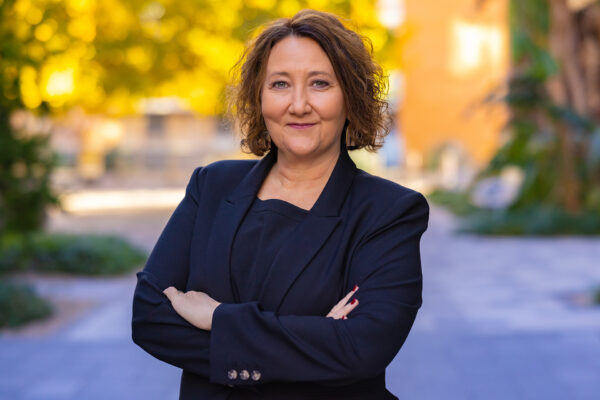
Empowering next-generation Indigenous leaders
Stacy Leeds, AB ’94, is the first Indigenous woman to be named dean of a law school (first at the University of Arkansas in 2011 and now at Arizona State University’s Sandra Day O’Connor College of Law).
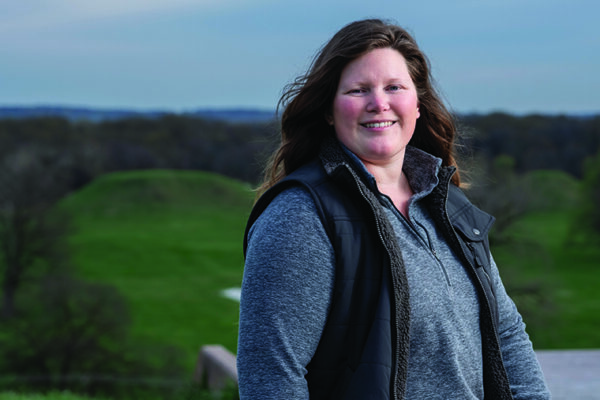
From the ground up
As a geoarchaeologist, Caitlin Rankin, MA ’16, PhD ’20, transforms long-standing answers into bold new questions.
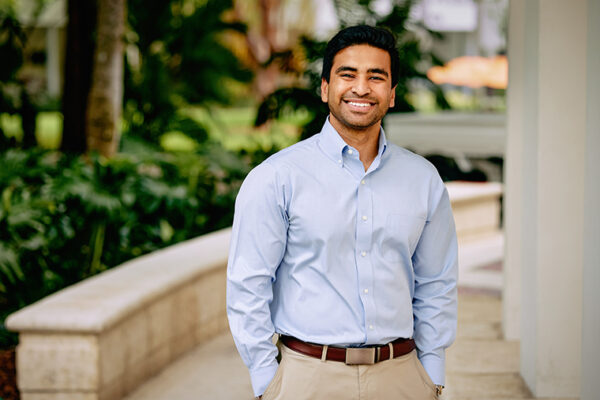
Circling back to purpose
Harsh Moolani founded Create Circles as a WashU undergrad. The nonprofit that pairs older adults with college students is now a national organization with some 700 volunteers in 33 states.
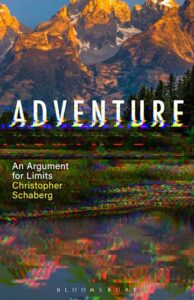
Adventure
An Argument for Limits
What is the meaning of “adventure” as we enter the third decade of the 21st century, after a global pandemic, social and geopolitical calamities, and accelerating environmental catastrophes? What stories are humans telling about wilderness, remote destinations, and the most difficult thoughts thinkable?
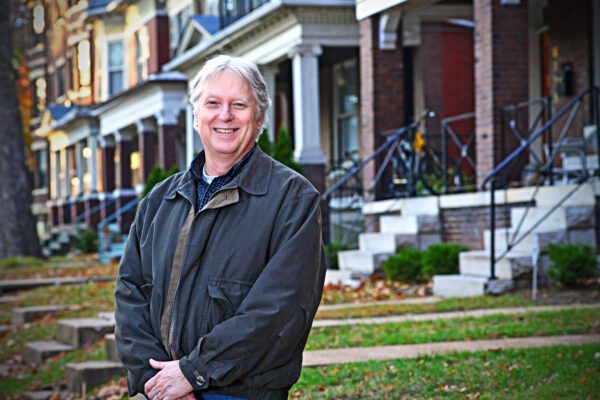
Rank’s book garners national awards
Mark R. Rank, the Herbert S. Hadley Professor of Social Welfare at the Brown School, received prestigious awards over the past six months for his book exploring the myths of poverty in the U.S. and why those myths continue to exist.
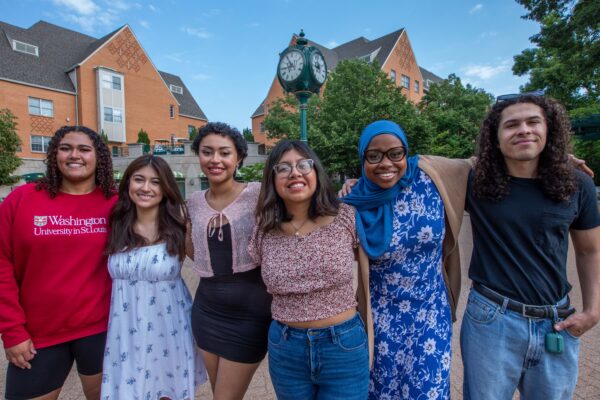
Political science program aims to expand graduate student pipeline
The Department of Political Science in Arts & Sciences has launched the WUSTEPS Pipeline Program, which is aimed at preparing undergraduates from diverse backgrounds for success in graduate programs.
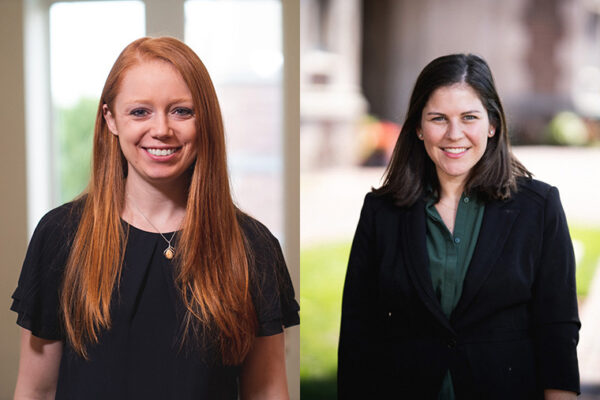
Carlson, Wayne win NSF grant to study political radicalization
Political scientists Taylor Carlson and Carly Wayne, in Arts & Sciences, won a National Science Foundation grant to study factors that drive political radicalization.
Older Stories