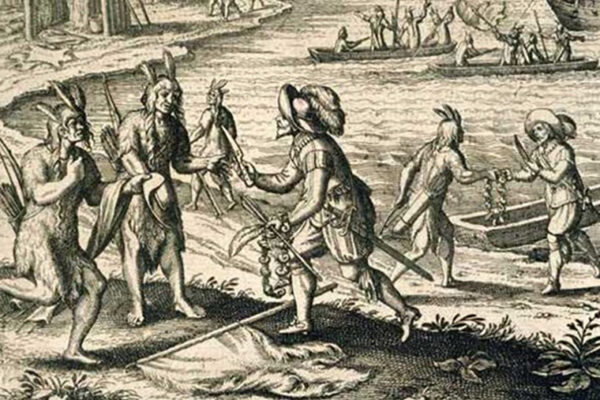
Rewriting history: New evidence challenges Euro-centric narrative of early colonization
New research from Washington University in St. Louis provides evidence that Indigenous people continued to live in southeastern U.S. and actively resist European influence for nearly 150 years after the arrival of Spanish explorers in the 1500s.
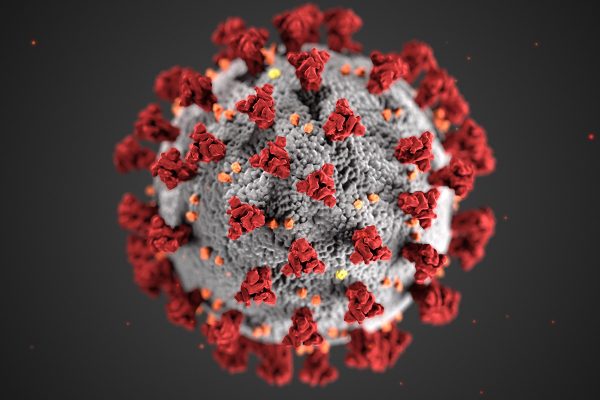
Students tackle anthropology of COVID-19
Undergraduates in the class “Anthropology of Infectious Diseases” in Arts & Sciences presented their findings during a remote symposium held April 22. The event was the last gathering for students in a course that became far more consequential than anyone could have predicted.
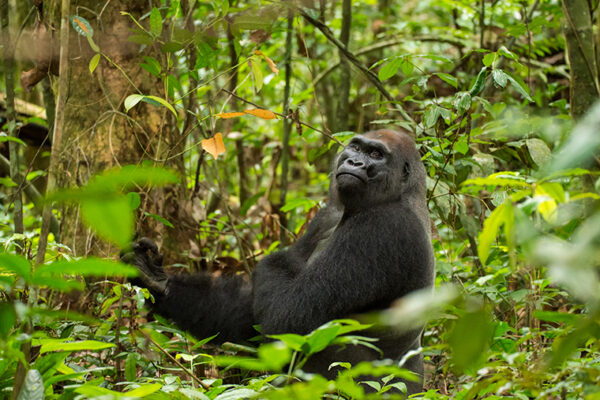
Close encounters in the forest: western lowland gorillas
New research led by anthropologists at Washington University in St. Louis shows that encounters between gorilla groups were much more frequent, and that they had more varied social exchanges than expected. The effort is part of a long-term collaboration with the Congolese government and Wildlife Conservation Society that is changing perspectives on gorilla behavior, ecology and health.
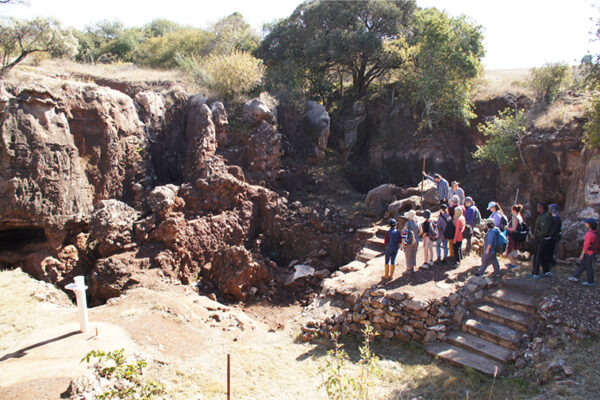
Fossil discoveries rewrite our family history
An international team of researchers that includes anthropologists at Washington University in St. Louis has unearthed the earliest known skull of Homo erectus, the first of our ancestors to be nearly human-like in their anatomy and aspects of their behavior. The effort was led by La Trobe University in Australia.

The Anthropology of Islamic Law
Education, Ethics, and Legal Interpretation at Egypt's Al-Azhar
“The Anthropology of Islamic Law” shows how hermeneutic theory and practice theory can be brought together to analyze cultural, legal, and religious traditions. These ideas are developed through an analysis of the Islamic legal tradition, which examines both Islamic legal doctrine and religious education. The book combines anthropology and Islamist history, using ethnography and in-depth […]
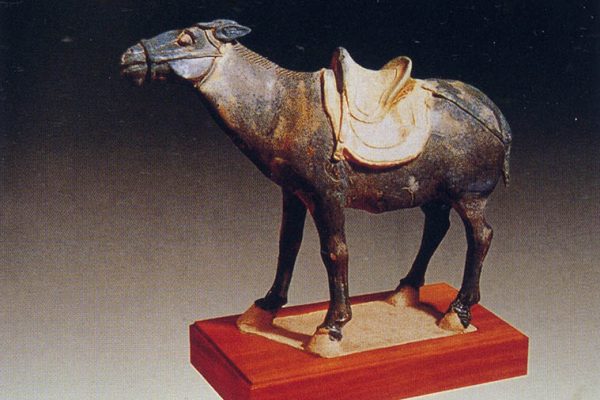
Tang Dynasty noblewoman buried with her donkeys, for the love of polo
A noblewoman from Imperial China enjoyed playing polo on donkeys so much she had her steeds buried with her so she could keep doing it in the afterlife, archaeologists found. This discovery by a team that includes archaeologist Fiona Marshall at Washington University in St. Louis is published March 17 in the journal Antiquity.

Long-term analysis shows GM cotton no match for insects in India
Genetically modified Bt cotton is the most widely planted cotton crop in India by acreage, and it is hugely controversial. Supporters long touted increased yields and reduced pesticides to justify its pickup. But that argument does not hold up under the first long-term study of Bt cotton impacts in India. The analysis is co-authored by a Washington University in St. Louis anthropologist in the journal Nature Plants.

No clear path for Golden Rice to reach consumers
Heralded as a genetically modified crop with the potential to save millions of lives, Golden Rice has just been approved as safe for human and animal consumption by regulators in the Philippines. But a new study by Glenn Davis Stone, professor of sociocultural anthropology and environmental studies in Arts & Sciences, finds that most families affected by Vitamin A deficiency can’t grow Golden Rice themselves, and most commercial farmers won’t grow it either.
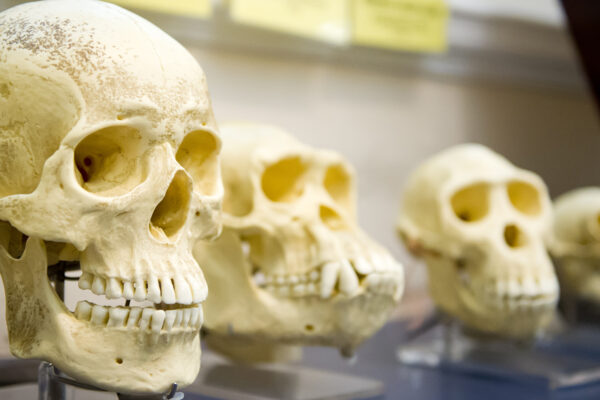
Green in tooth and claw
Hard plant foods like seeds and nuts may have made up a larger part of early human ancestors’ diet than currently presumed, according to a new experimental study of modern tooth enamel from anthropologists in Arts & Sciences.
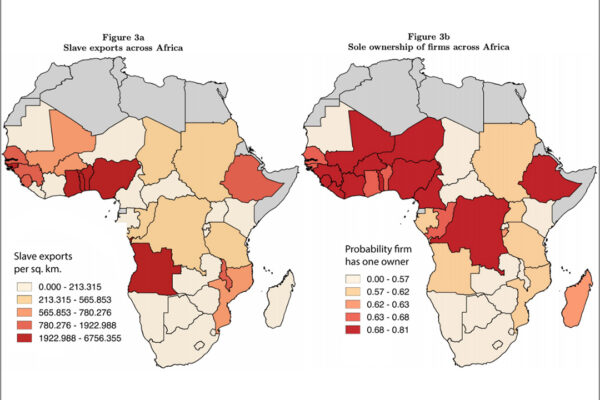
Research finds slave trade’s effect on firm ownership persists today
While closely held ownership isn’t necessarily bad, research co-authored by a faculty member at Washington University in St. Louis’ Olin Business School suggests some African firms may miss 21st century growth opportunities without the ability to raise capital through shared ownership.
Older Stories