
How to cope with pandemic anniversary emotions
Rebecca Lester, professor of sociocultural anthropology at Washington University in St. Louis, offers advice for coping with the emotions brought on by COVID-19 anniversaries and moving forward.
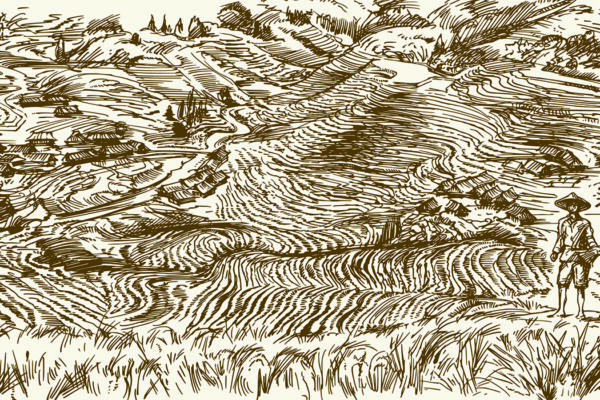
Under climate stress, human innovation set stage for population surge
Anthropologist T.R. Kidder in Arts & Sciences published new research that shows that aridification in the central plains of China during the early Bronze Age did not cause population collapse. The results highlight the importance of social resilience to climate change.

Trust your gut: A healthy sense of disgust can prevent sickness
New research, published in the Proceedings of the National Academy of Sciences Feb. 15, suggests that disgust could be the body’s way of helping people avoid infection.

How will we remember this holiday season?
How will this year’s celebrations be remembered? The answer will be “differently than normal” for some individuals, but collective memory for the pandemic itself is likely to fade quickly for most people.
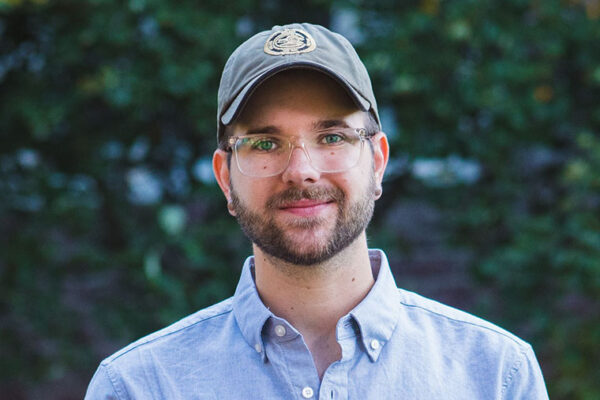
Holland-Lulewicz discovery named Top 10 in 2020
Research conducted by Jacob Holland-Lulewicz, lecturer in archaeology in Arts & Sciences, was named one of the Top 10 Discoveries of 2020 by Archaeology Magazine.
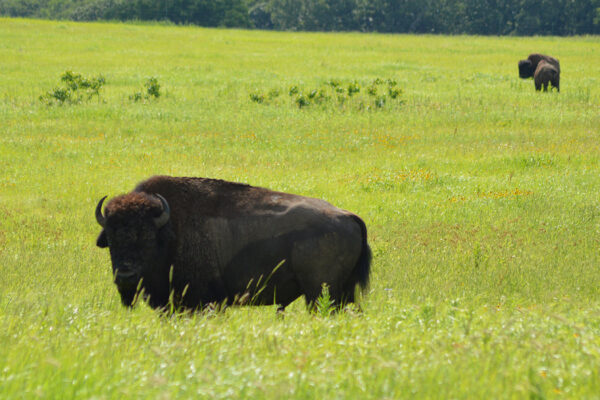
Secrets of the ‘lost crops’ revealed where bison roam
Research from Washington University in St. Louis helps flesh out the origin story for the so-called “lost crops” of the Midwest and Northeast. These plants that may have fed as many Indigenous people as maize, but until the 1930s had been lost to history. Natalie Mueller, assistant professor of archaeology in Arts & Sciences at Washington University in St. Louis, shares evidence that bison were “co-creators” — along with Indigenous peoples — of landscapes of disturbance that gave rise to greater diversity and more agricultural opportunities.
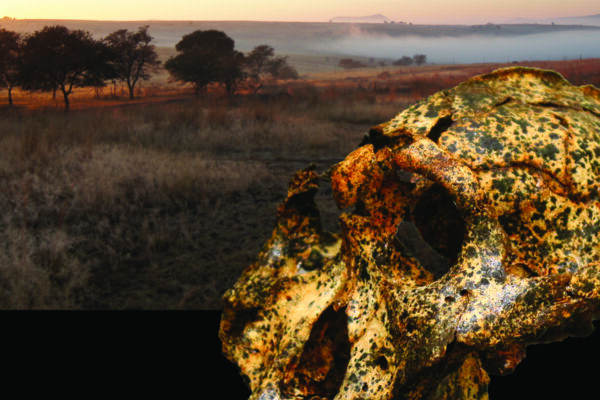
How a human cousin adapted to a changing climate
A fossil discovery in South Africa suggests that P. robustus evolved rapidly during a turbulent period of local climate change about 2 million years ago, resulting in anatomical changes that previously were attributed to sex. An international research team including anthropologists at Washington University in St. Louis reported their discovery in Nature Ecology & Evolution on Nov. 9.
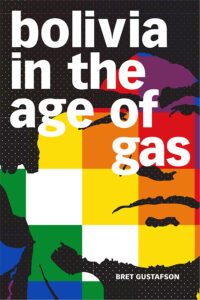
Bolivia in the Age of Gas
Evo Morales, Bolivia’s first Indigenous president, won reelection three times on a leftist platform championing Indigenous rights, anti-imperialism, and Bolivian control over the country’s natural gas reserves. In Bolivia in the Age of Gas, Bret Gustafson explores how the struggle over natural gas has reshaped Bolivia, along with the rise, and ultimate fall, of the […]

COVID-19 human milk studies should continue without stopping breastfeeding, researchers say
It is not easy to conduct human milk research during a pandemic. Yet despite the consistent lack of quality evidence for transmission of viral RNA from breast milk, some leaders are pushing ahead by altering public health and clinical practice guidance, according to E.A. Quinn, associate professor of biological anthropology in Arts & Sciences at Washington University in St. Louis.
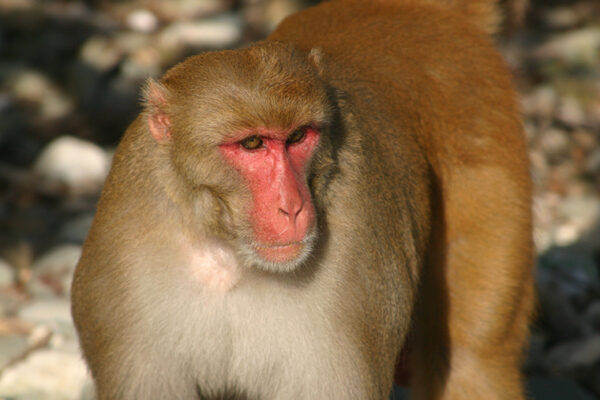
Monkeying around: Study finds older primates father far fewer babies
Older male rhesus monkeys sire fewer offspring. Sperm quality or quantity, or the survival of infants, may decline with the age of the would-be father, a new study from biological anthropologist Krista Milich in Arts & Sciences suggests.
Older Stories