
Machine learning reduces language barriers in global trade, research shows
A forthcoming Management Science paper from researchers at Olin Business School draws a direct connection between language translation driven by artificial intelligence and an increase in international trade. Analyzing data from online e-commerce site eBay, the paper is among the earliest tangible signs that AI and machine learning are living up to their promise.

Study analyzes benefits of tracking devices for auto insurance
A new business study involving Washington University in St. Louis provides analytical theories showing that such driver-monitoring technology can not only prove beneficial to the bottom lines of some consumers, but also to insurance companies by alleviating moral hazards that affect the risks of accidents.
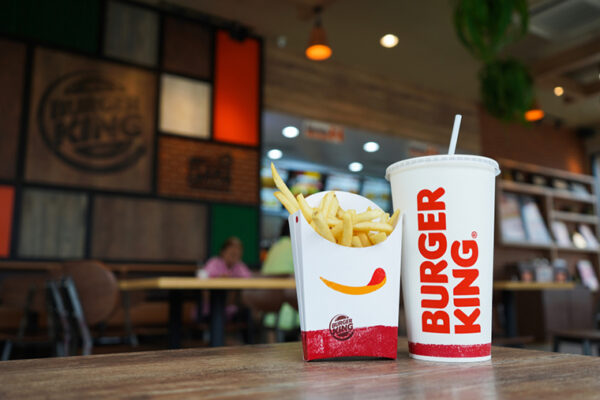
WashU Expert: Could Burger King vegan burger be next McDonald’s salad?
The idea of a plant-based patty being tested by Burger King makes business sense, if not health sense, to Washington University in St. Louis researchers who have studied the fast-food marketplace.

Making baseball fun again
The game’s history and traditions are rich, but they threaten to suffocate its future. The “unwritten rules” and the game’s entrenched conservatism are standing in the way of fun. It will take more than bat flips and a backwards ballcap to let it through.
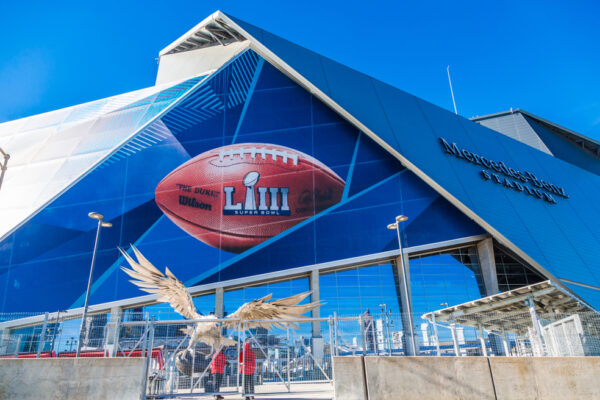
Super Bowl ads aim for social responsibility
Prepare for a Super Bowl broadcast rife with social-issue and cause advertisements, because that’s what younger generations — read: consumers — want from a Sunday less about football than marketing, says Olin sports marketing expert Patrick Rishe.

Study: Live in the moment, don’t selfie or snap it
If an event is otherwise highly enjoyable, pausing to take photographs will detract from a person’s engagement and enjoyment … and potentially affect the business visited, according to research by a team that included Olin Business School’s Robyn LeBoeuf.
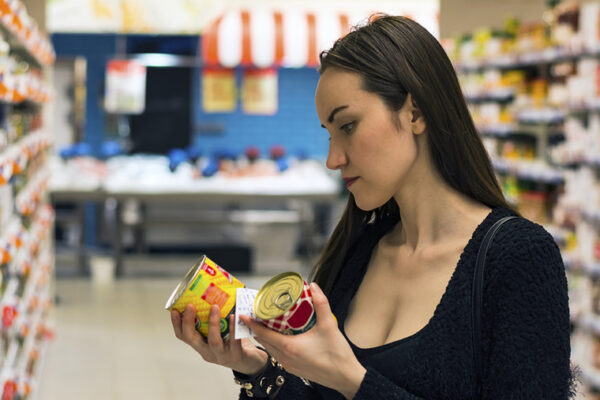
Foes of genetically modified foods know less than they think, study finds
The people who hold the most extreme views opposing genetically modified foods think they know most about GMO food science, but actually know the least, according to new research involving a Washington University in St. Louis faculty member in Olin Business School.
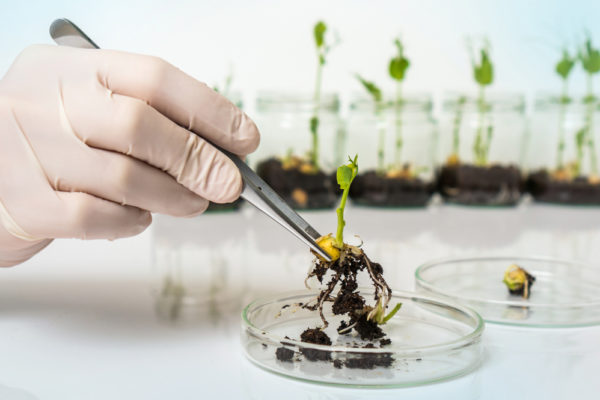
Research confronts ‘yucky’ attitudes about genetically engineered foods
The question of what constitutes “naturalness” — and consumers’ attitudes about it — lies at the heart of Washington University in St. Louis research from lead author Sydney Scott, assistant professor of marketing in the Olin Business School.

Retail giants Dick’s, Walmart regulate where politicians won’t
Two U.S. retailers made moves this week to regulate their gun sales based on principle — moves that legislators failed to make in recent years despite public outcry following each incident in a line of mass-shooting tragedies. A pair of Washington University in St. Louis experts say that these actions represent “an expansion of corporate social responsibility,” even if the retailers financially may suffer amid something of a consumer backlash.
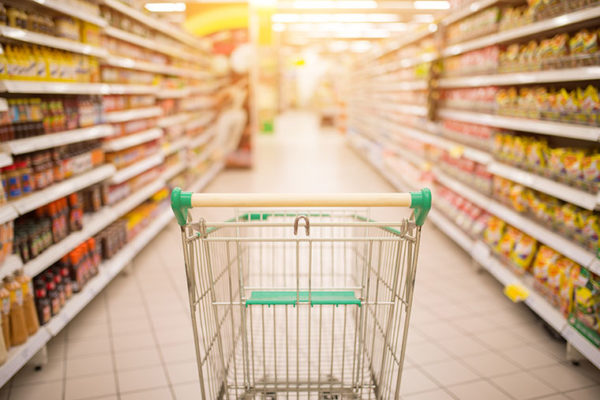
Once, twice, six times a grocery shopper
In the first test of detailed consumer-buying habits by categories at more than one chain store selling groceries, a team of business school researchers, led by Washington University in St. Louis, found that shoppers weren’t monogamist or bigamist but rather polygamist in their choice of outlets. In fact, it turns out that grocery categories such as dessert toppings, motor oil, candles and refrigerated ethnic foods were some of the leading products that lure customers to separate stores.
Older Stories