
Researchers to develop energy-efficient process to convert waste gases into biofuel
Engineers at Washington University will be working to improve energy efficiency in production of a potent biofuel thanks to a $2.1 million grant from the U.S. Department of Energy.
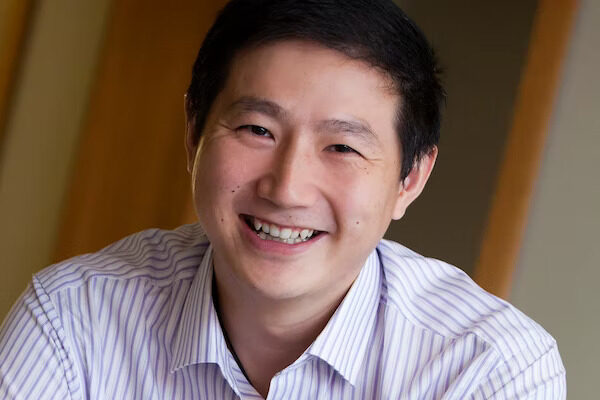
Chen elected fellow of Association for the Advancement of Artificial Intelligence
Yixin Chen is the first person from Washington University to be elected a fellow of the Association for the Advancement of Artificial Intelligence.
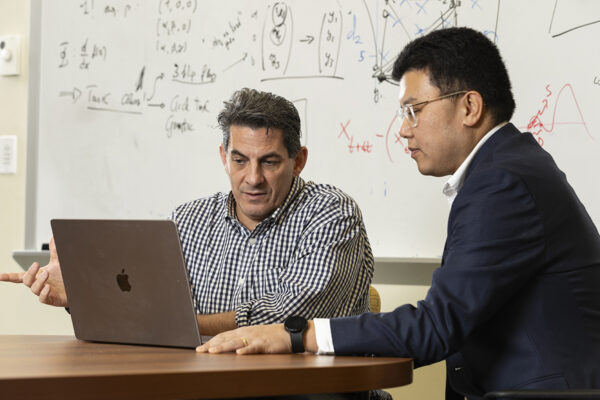
WashU researchers map individual brain dynamics
Neuroscientists at Washington University have set up computer frameworks that can help model individual brain dynamics.

Novel learning method proposed for generative AI in challenging environments
With support from the U.S. Department of Defense, a team of WashU computer scientists is working to improve generative artificial intelligence for use in inaccessible, remote or embattled environments.
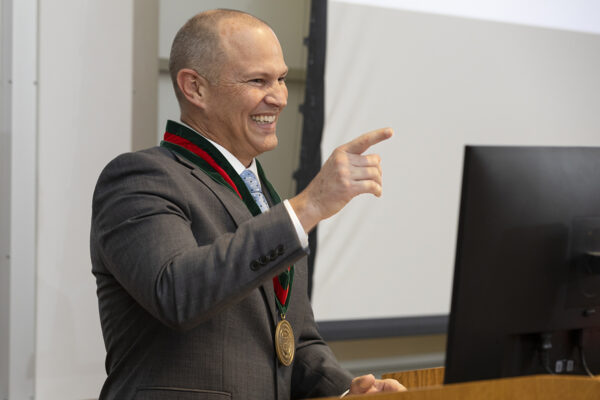
Berkland named inaugural Mark and Becky Ruhmann Levin Professor
Cory Berkland has been named the inaugural Mark and Becky Ruhmann Levin Professor in the McKelvey School of Engineering at Washington University.

Self-management skill, sense of purpose go hand-in-hand
Psychological researchers in Arts & Sciences find self-regulation and social engagement skills can potentially foster a sense of purpose.

Engineering better sleep
Washington University researchers plan to use advanced math to better understand and control biological systems, specifically our body’s internal clock, possibly leading to better treatments for sleep-related issues.
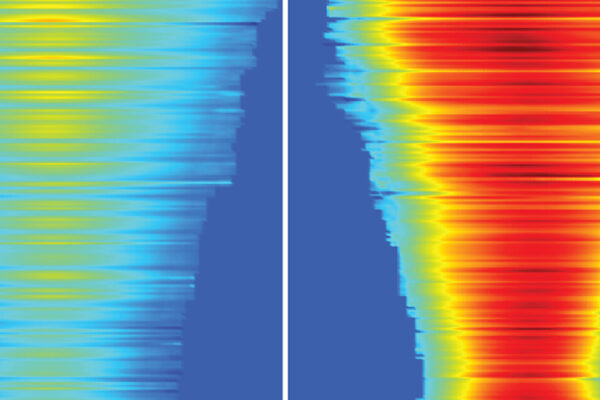
May the force not be with you
Researchers at the McKelvey School of Engineering have turned an age-old assumption about cell force on its head. Their work, published in PLOS Computational Biology, has implications for how cancer spreads and wounds heal.

WashU engineer reaffirms century-old modern theory of lift
WashU engineer David Peters has developed a fresh approach to reaffirm classical airfoil theory.

Brain structure differences provide clues to substance use risks
Researchers at Washington University found correlations between types of brain structure and people who try drugs before age 15.
View More Stories