
Gene therapy in mice builds muscle, reduces fat
Researchers at Washington University School of Medicine found that gene therapy in mice helped build strength and significant muscle mass quickly, while reducing the severity of osteoarthritis. The gene therapy also prevented obesity, even when the mice were fed a high-fat diet.
Flies sleep when need arises to adapt to new situations
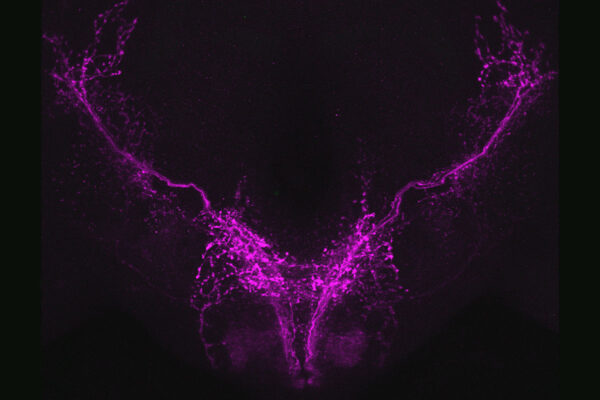
Researchers at Washington University School of Medicine in St. Louis have found that flies sleep more when they can’t fly, possibly because sleeping helps them adapt to a challenging new situation.
Obesity prevented in mice treated with gene-disabling nanoparticles
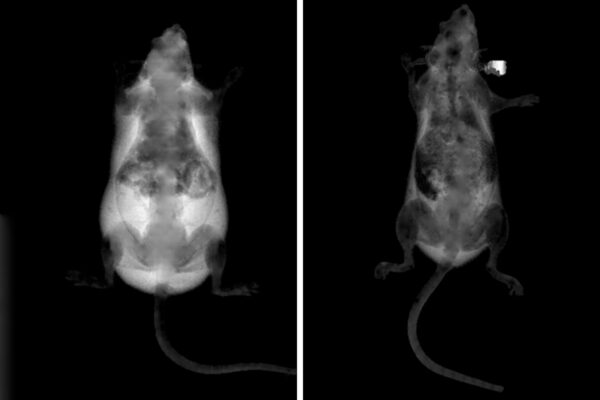
Disabling a gene in specific mouse cells, School of Medicine researchers have prevented mice from becoming obese, even after the animals had been fed a high-fat diet. The researchers blocked the activity of a gene in immune cells called macrophages, key inflammatory cells.

New targets for childhood brain tumors identified
People with the genetic condition neurofibromatosis type 1 are prone to developing tumors on nervous system tissue. A new study from Washington University School of Medicine has found that the development and growth of such tumors are driven by nearby noncancerous neurons and immune cells.

Staying connected through Zoom
Technological advancement has been a saving grace during this time of social distancing; affording communities the ability to maintain schedules and share special moments. For Washington University, one online tool in particular has kept things moving as efficiently as possible.
Mutonya awarded Carnegie African Diaspora fellowship
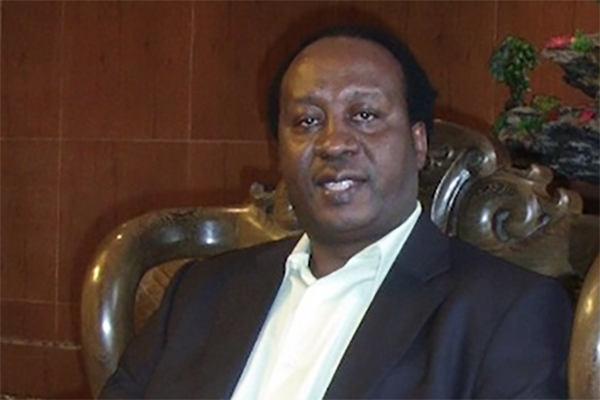
Mungai Mutonya, teaching professor of African and African American studies in Arts & Sciences, has received a fellowship from the Carnegie African Diaspora Fellowship Program.

Potential biomarker for autism identified in infants
A biomarker in newborns may signal autism spectrum disorder months or even years before troubling symptoms develop and such diagnoses typically are made. Researchers at Washington University School of Medicine and Stanford University found that some newborns had very low levels of a neuropeptide years before their diagnoses with autism spectrum disorder.
Diabetes reversed in mice with genetically edited stem cells derived from patients
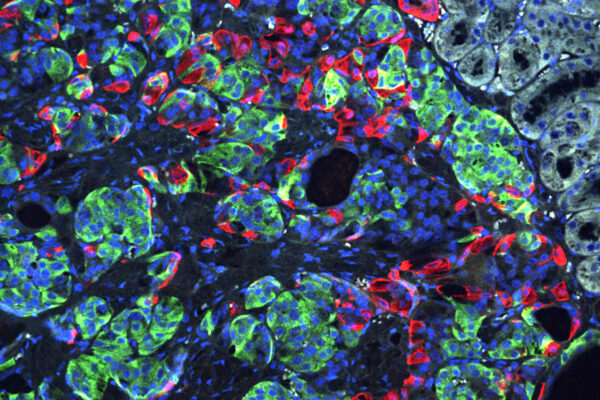
Researchers at Washington University School of Medicine have transformed stem cells into insulin-producing cells. They used the CRISPR gene-editing tool to correct a defect that caused a form of diabetes, and implanted the cells into mice to reverse diabetes in the animals.

COVID-19 survivors needed to donate blood plasma
COVID-19 survivors are needed to donate blood plasma. Infectious diseases physicians at Washington University School of Medicine in St. Louis have developed an expanded access program to give blood plasma from COVID-19 survivors to critically ill patients.

University to honor King’s dream Monday
Chancellor Andrew D. Martin will deliver the keynote address at Washington University in St. Louis’ Martin Luther King Jr. Commemoration at 7 p.m. Monday, Jan. 20, in Graham Chapel.
View More Stories