HIV is often viewed as an urban health problem, but Missouri is one of just seven states prioritized by a federal initiative because of its substantial rural HIV burden. An estimated 13,271 people are living with HIV in Missouri, with nearly half in the St. Louis region.
At the same time, treatment has transformed what it means to live with HIV. Daily antiretroviral medication or, for some people, long-acting injectable treatment can suppress the virus to extremely low levels, allowing people with HIV to live long, healthy lives. People who maintain an undetectable viral load also do not sexually transmit HIV. But those benefits depend on staying connected to treatment — and research suggests that can be difficult.
In a new study, researchers at the Washington University in St. Louis Bursky School of Public Health and School of Medicine followed 1,110 adults newly linked to the Washington University Infectious Diseases Clinic, the largest provider of HIV primary care in the St. Louis region and a federally funded Ryan White HIV/AIDS Program provider. While this study did not specifically examine differences between rural and urban residents, it offers a broader look at a central challenge in HIV care: keeping people connected to treatment. Within two years, about two-thirds had disengaged from care at least once. Some returned and later disengaged again. By the two-year mark, just 33% had remained continuously in care.
One year after entering care, 93% of patients who remained continuously engaged had suppressed levels of HIV in their blood, compared with about 82% of those who had left care and returned. Younger and Black patients were more likely to experience both disruptions in care and periods when HIV was no longer suppressed.
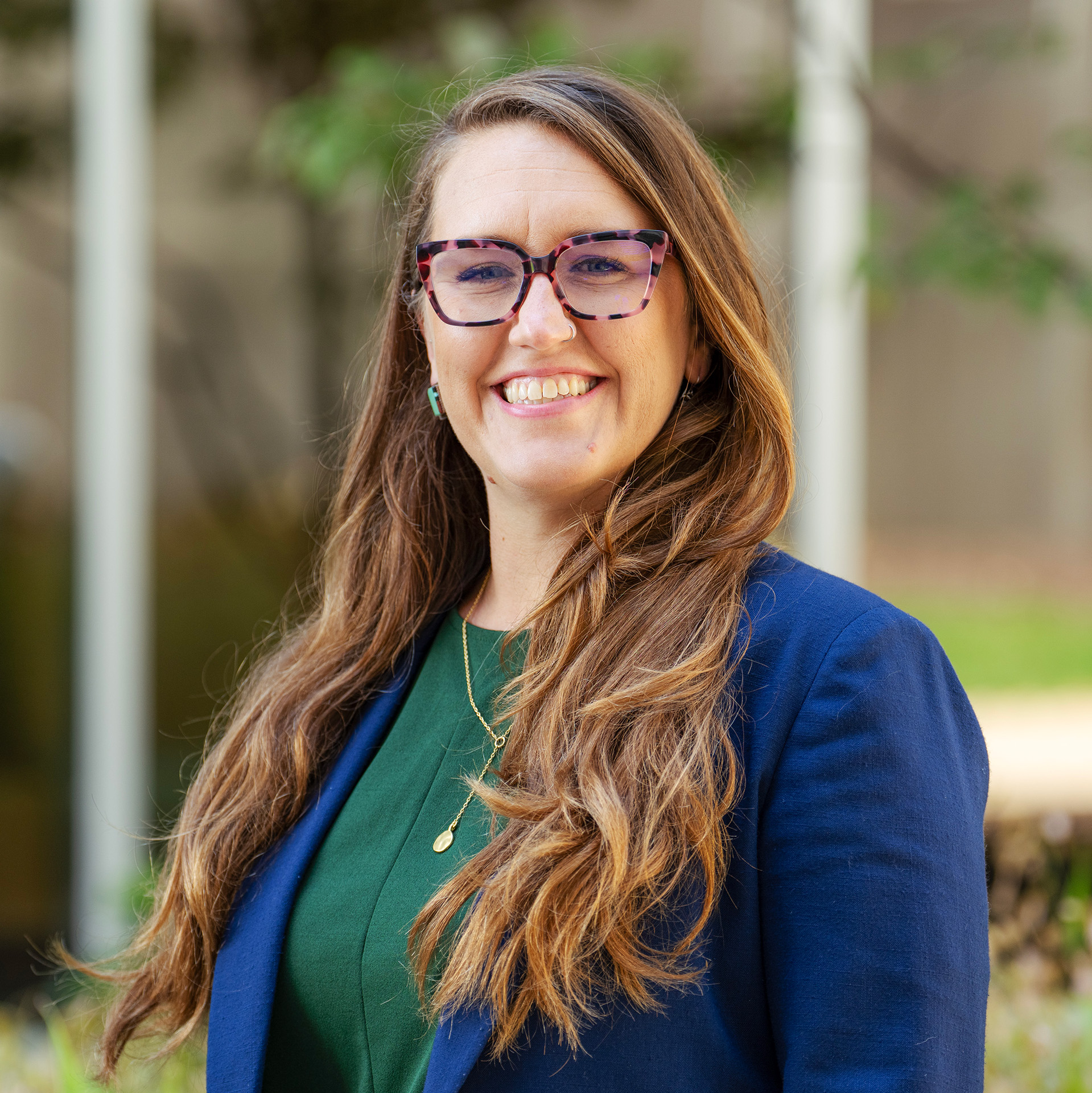
Lindsey Filiatreau, senior author of the study and an epidemiologist at Bursky Public Health, has spent much of her career studying HIV and mental health in resource-constrained settings in Africa. Increasingly, she is applying lessons from that work to rural communities in the United States.
Here, she discusses the study’s findings, the challenges of HIV care in rural Missouri and why keeping people with HIV healthy and connected to treatment matters to everyone.
What is driving HIV in rural Missouri?
In rural settings, people face a number of intersecting challenges, including long distances to care and lack of adequate health insurance. These barriers can make people less likely to get tested for HIV or to start treatment soon after they are diagnosed. Limited access to emerging HIV prevention medications, such as long-acting injectable PrEP, also leads to missed opportunities to prevent the spread of the virus.
As someone who worked in health education before starting my research career, I think everyone should have regular conversations with their doctor about their health risks, including their risk of HIV. Of course, that requires doctors to get more comfortable having these conversations with their patients. That may be an uphill battle, particularly in rural settings.
What does HIV care look like for someone living in rural Missouri, and what role can St. Louis HIV providers play in that care?
Specialty care of any kind is hard to come by in rural settings, including HIV care in rural Missouri. While someone living with HIV might have a case manager and pharmacist in or near their community, they probably aren’t able to see an HIV specialist close by. Often, that means long commutes to St. Louis, Columbia or Kansas City, coupled with quarterly telehealth visits. HIV care providers in St. Louis play a critical role in ensuring the needs of rural residents with HIV are met by offering flexible scheduling and identifying resources, such as case management, that people can access closer to home.
Why do people fall out of HIV care and what could health systems do to keep them connected?
Our health system can be incredibly difficult to navigate, even for those of us working directly in this space. As just one example, I recently had an appointment with my endocrinologist that was canceled by the provider. The next available appointment was three months later. Rural people with HIV often face compounding challenges, including stigma, isolation, economic instability and poor mental health, that can make attending regular appointments even more difficult. With more holistic, person-centered care that focuses on supporting people rather than treating individual conditions, I suspect more people would keep coming back for their appointments.
Why should someone who doesn’t have HIV care about whether people living with HIV remain connected to treatment?
Beyond the basic rights to health and well-being and quality healthcare, poor retention in care for any chronic health condition can place enormous downstream strains on individuals, families, friends, providers and the health system. The cascading events that follow disengagement from care — which, in the case of HIV, can include transmission of the virus and lives lost prematurely — are both costly and preventable. Supporting people with chronic health conditions in staying connected to care is important not only for their health and well-being, but also for minimizing costs and ensuring the health system remains accessible to everyone.
What have you learned in Africa that could help Missouri address HIV, particularly in communities with fewer resources?
While I can think of dozens of things the American HIV response has left to learn from Africa, one I’m most passionate about is breaking down our perception of who is qualified to provide ‘care.’ Doctors are certainly needed for many tasks, but rural areas face enormous shortages of healthcare workers. We need to ask who else in our communities can be trained or upskilled to provide aspects of care traditionally reserved for highly trained professionals. In Zimbabwe, for example, a research group I’ve followed for years has successfully trained grandmothers across the country to provide mental health support to people with HIV. Now being implemented nationally, the program has improved mental health as well as other chronic health outcomes. We should be employing similar strategies to address gaps in care for people with HIV in rural Missouri.