Wilmetta Toliver-Diallo, a lover of movies and a student of Africa, had a vision to introduce St. Louis audiences to films from Africa. The goal, she said, was to showcase the hidden talents of African filmmakers and the diversity of the continent’s nations and cultures.
Some 200 films later, the African Film Festival is celebrating its 20th anniversary with award-winning movies, a master class from leading producer Ekwa Msangi and an appearance by actor Ntobeko Sishi, star of the movie, “Laundry.” The festival will feature 12 films and runs from March 27-29 in Brown Hall at Washington University in St. Louis. Admission is free.
“Film is the perfect way to learn about the past, think about contemporary issues and open up your visual imagination to the diversity of Africa: the cultures, religions, languages, urban life, rural life,” said Toliver-Diallo, senior assistant dean in Arts & Sciences and a lecturer in African and African-American studies, who stages the annual event with the African Student Association. Here, Toliver-Diallo shares more about the festival’s mission and its upcoming lineup.
How do you select the films for the festival?
The first few years, I depended on the New York African Film Festival because they had a traveling series. But over time, I started to hear from filmmakers who wanted to be part of the festival, or I’d learn about a film that was winning big awards in Berlin or being showcased at Cannes. We work to have a good mix — dramas, comedies, science fiction and Africanfuturism. But it’s equally important to have different regions of the continent represented. We also focus on animation and programming for the Saturday Youth Matinee for two reasons — to give voice and space to Africa’s talented animators, and to serve the many families who attend the festival year after year. Parents are always looking for activities that help their children better understand the world around them, and animation does that in a way that is fun and entertaining.
African Film Festival
When: March 27-29
Where: Brown Hall, WashU
How much: Free
More info: African Film Festival
Parking: Free parking available, east end garage
What do you have planned for this year?
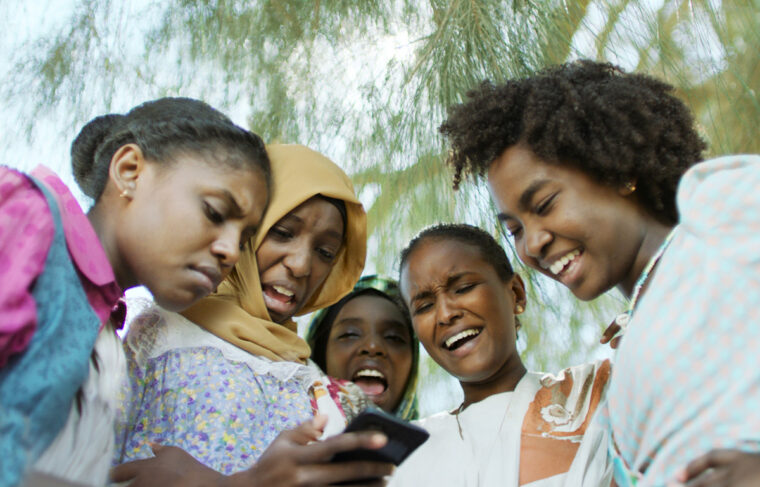
For the first time we are hosting, in partnership with Cinema St. Louis, a master class on how to build a sustainable career in filmmaking, led by award-winning filmmaker Ekwa Msangi. The class is really for anyone with an interest in the film industry, whether that’s screenwriting, being behind the camera or distribution, because she has experience in all of those aspects. And, of course, we are excited about the great movies! We will be screening the gorgeous “My Father’s Shadow” of Nigeria which just won a British Academy Film Award (BAFTA). Our film “Cotton Queen,” from Sudan, also has done very well internationally. We showed an earlier short from the writer and director Suzannah Mirghani, and it’s really interesting to see how she developed that piece into a full-length feature. I’m also really excited to share the South African film “Laundry,” which takes place during apartheid and is about Black business in a white neighborhood. Actor Ntobeko Sishi is incredible in the movie and he is coming to the festival to talk about the film as well as about how American audiences are responding to his work on Netflix (which includes the movie “Love & Wine” and the series “Go!”)
What should audiences know about African cinema before attending?
You often see a connection to elements present in the African oral tradition, whether that be magic or whether that be heroes. And yet, African cinema is not unlike cinema anywhere else. The geography and the people may be different, but the stories portrayed resonate with us all. Last year, audiences were really touched by the movie “Sadrack,” about a man with Alzheimer’s and his son. It doesn’t matter that the movie took place in Cameroon; we all reconfigure our relationship with our parents when they reach a certain age. And this year, we have a coming-of-age short from Morocco about a teenager at a crossroads. Again, we can all relate. Even without understanding the full cultural context, the themes touch us. That is the power of film: It helps us to connect to people who are not like us.