
Cancer survivors less likely to be physically active, study finds
Adults with a history of cancer are less likely to be physically active than those without a cancer history, finds a new study from Washington University in St. Louis.
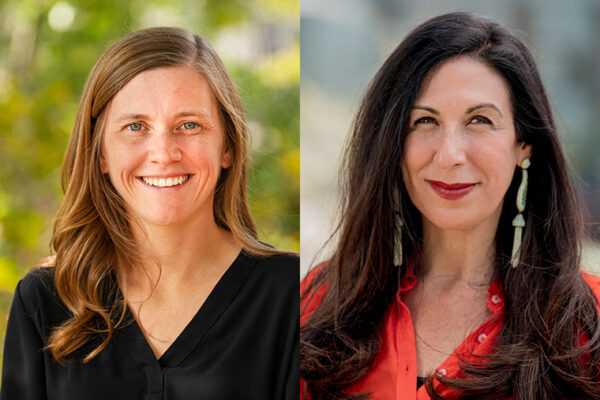
Malone, Stark named inaugural Ryan Institute faculty scholars
Sara Malone and Lindsay Stark, both of WashU Bursky Public Health, become inaugural faculty scholars of the Ryan Institute for Interdisciplinary Health Solutions.Their projects will examine housing as a health intervention and improve transitions from pediatric to adult care for children with chronic illnesses.
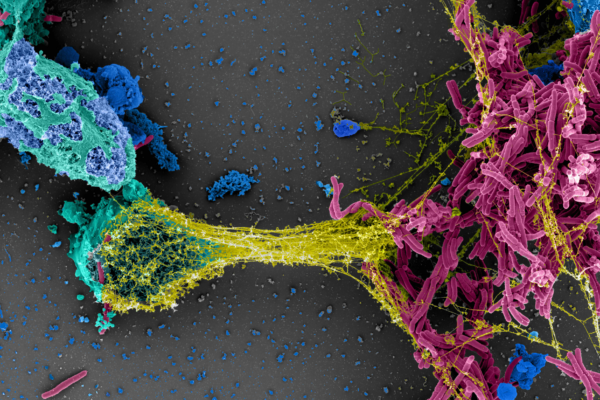
New Transcend Initiative to address mycobacteria threats
A new Transcend Initiative seeks to address and fight life-threatening mycobacterial infections.

Rural America Beyond the Caricature
How can we transcend politics and economics when thinking about rural America? How might policymakers better focus on rural aspirations rather than on rural decline? WashU’s Sandro Galea and USC’s Elizabeth Currid-Halkett discuss the very construct of the urban–rural divide.
Elizabeth Currid-Halkett
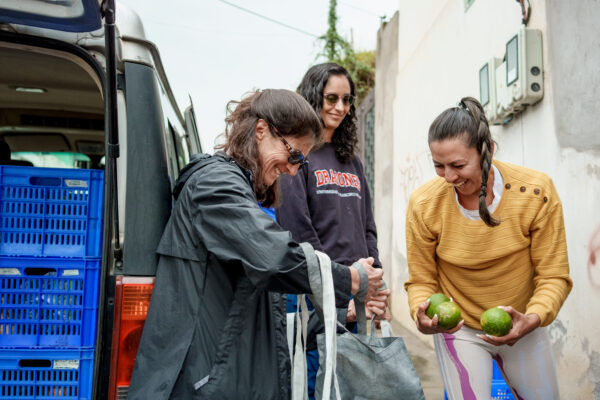
Pregnancy nutrition trial in Ecuador improves fetal brain growth
WashU researcher Lora Iannotti and colleagues tested whether a diverse diet inspired by ancestral eating patterns could support maternal nutrition and fetal development.

As 988 transformed crisis care, counselors balanced new rules with professional judgment
A new study from the WashU Brown School finds that transparent management helped keep frontline 988 counselors’ morale strong as new performance metrics were introduced.
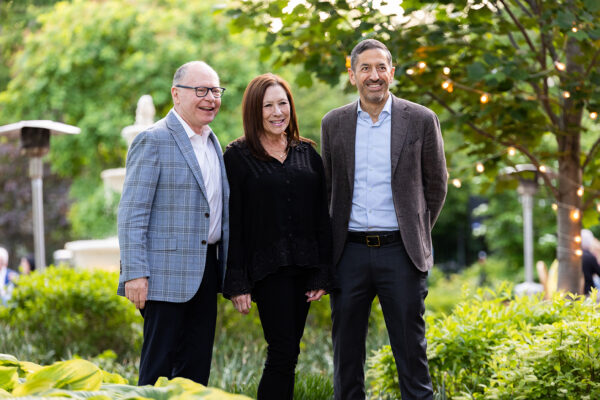
Giving generously and looking forward
After many years of support for scholarships and innovative health initiatives, the Bursky family made a landmark commitment of $200 million through our With You campaign — the largest gift in WashU history — to accelerate the work of the School of Public Health.
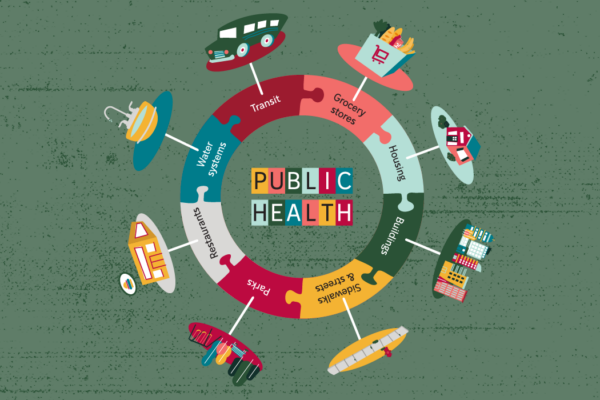
What’s in a sidewalk?
A graduate public health course examines the effects of built environments, from local crosswalks to global cityscapes.

Assistance needed in Aisle 1: What Missouri WIC families face
Bursky Public Health and Brown School teams surveyed nearly 2,900 participants and co-developed retailer training to boost nutrition access during pregnancy and early childhood.
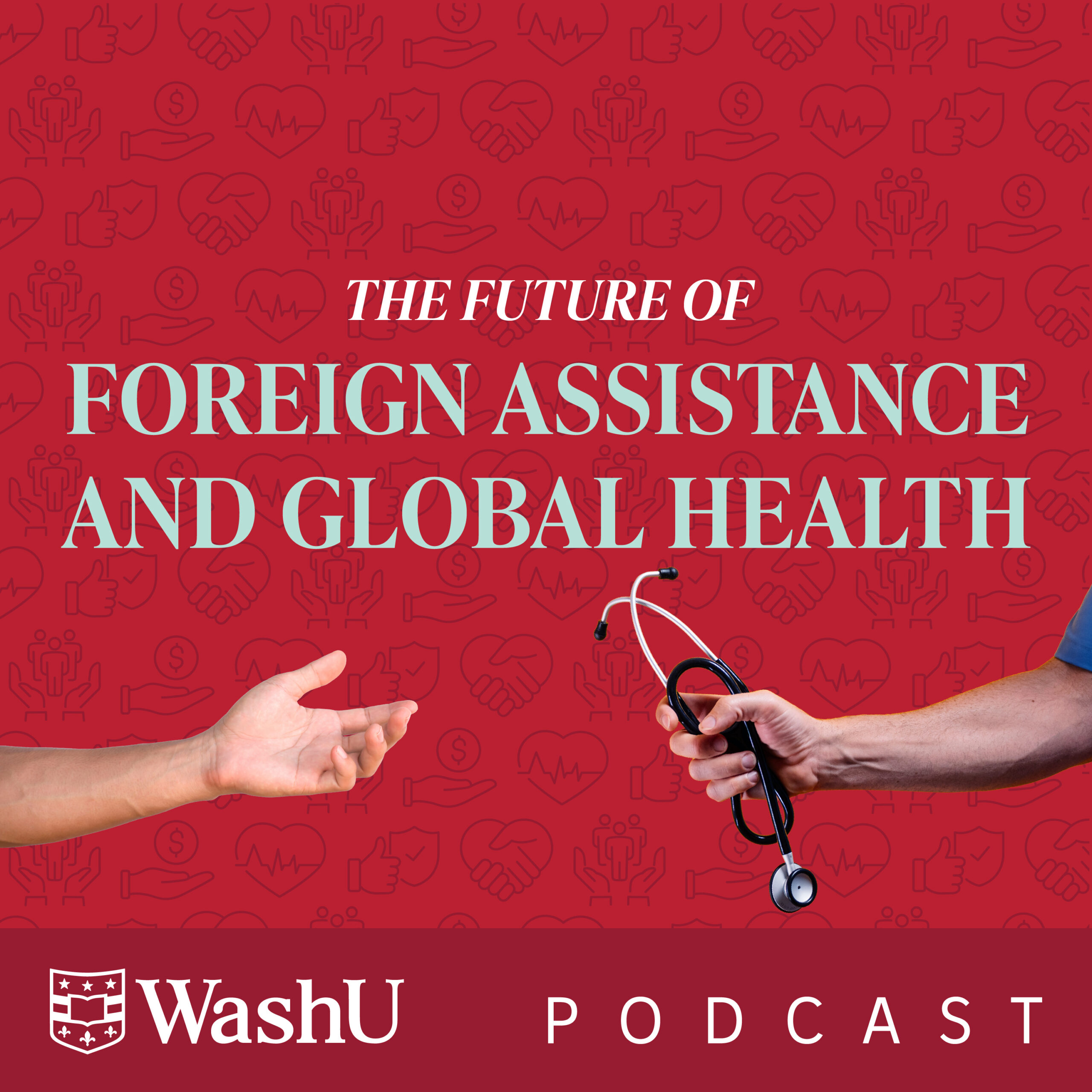
The Future of Foreign Assistance and Global Health
In this episode of Ideas Matter, WashU’s Sandro Galea, dean of the Bursky School of Public Health, and former USAID civil servant Nicholas Enrich discuss how assisting other countries in maintaining public health protects safety and stability across the globe—including here in America.
Nicholas Enrich
View More Stories