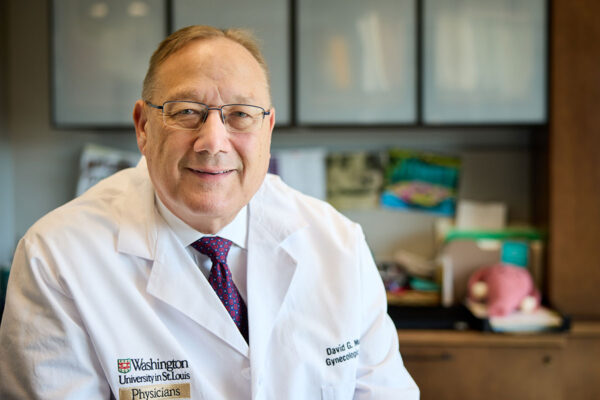
$11.6 million grant supports innovative research in endometrial cancer
Led by principal investigator David Mutch, MD, researchers at the School of Medicine have received a prestigious Specialized Programs of Research Excellence (SPORE) grant in endometrial cancer from the National Cancer Institute of the National Institutes of Health (NIH).

Amarasinghe awarded grant for Ebola virus research
Gaya Amarasinghe, the Alumni Endowed Professor of pathology and immunology at the School of Medicine, received a five-year $16.8 million grant renewal from the National Institute of Allergy and Infectious Diseases of the National Institutes of Health (NIH) for Ebola virus research.
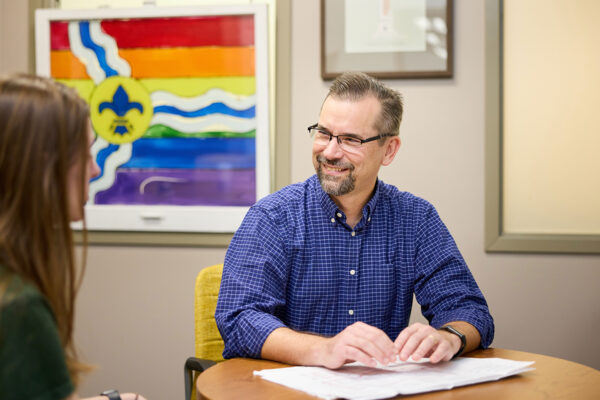
Mennerick named director of Division of Biology & Biomedical Sciences
Neuroscientist Steven Mennerick, the John P. Feighner Professor of Neuropsychopharmacology at the School of Medicine, has been named director and associate dean of the Roy and Diana Vagelos Division of Biology & Biomedical Sciences.
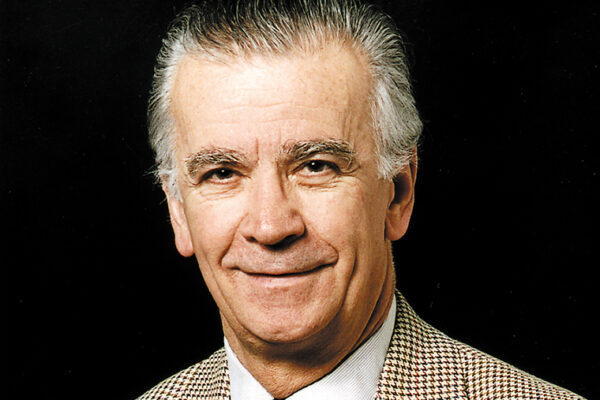
Carlos A. Perez, MD, professor emeritus of radiation oncology, 88
Carlos A. Perez, MD, an internationally renowned cancer researcher and professor emeritus of radiation oncology at the School of Medicine, died Aug. 21 in Springfield, Mo.

How do developing brains assemble and organize themselves?
Researchers led by the School of Medicine’s Linda J. Richards published a study describing some of the earliest events in brain development. The findings lay the groundwork for understanding the roots of brain conditions such as epilepsy, autism and intellectual disability.
Maddox participates in National Academy of Medicine’s leadership consortium
Thomas M. Maddox, MD, a professor of medicine at the School of Medicine, has been invited to become an active participant of the National Academy of Medicine’s Digital Health Action Collaborative Stakeholder Network.
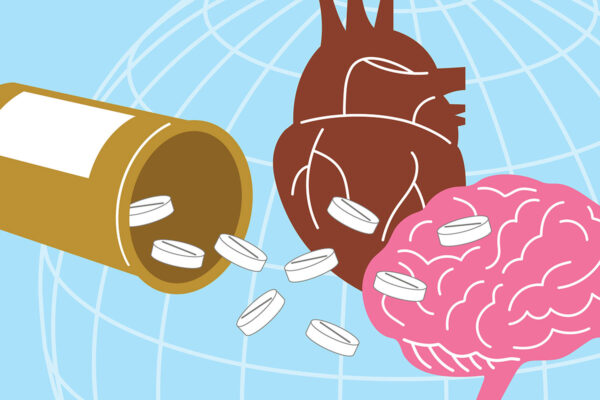
Aspirin can help prevent a second heart attack, but most don’t take it
Fewer than half of people worldwide who have already had one heart attack or stroke take daily aspirin to prevent a second one, according to a new study led by researchers at the School of Medicine. Increasing daily aspirin use in such patients could reduce cardiovascular deaths.
Ding receives junior investigator award from virology society
Siyuan Ding, an assistant professor of molecular microbiology at the School of Medicine, has received the 2023 Ann Palmenberg Junior Investigator Award from the American Society of Virology.
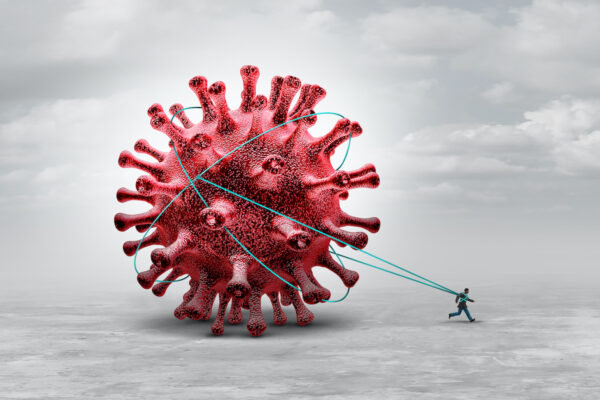
Long COVID still worrisome two years after infection
For people who have contracted the COVID-19 virus, pain and suffering may continue two years after infection, according to a new study from the School of Medicine and the Veterans Affairs St. Louis Health Care system.
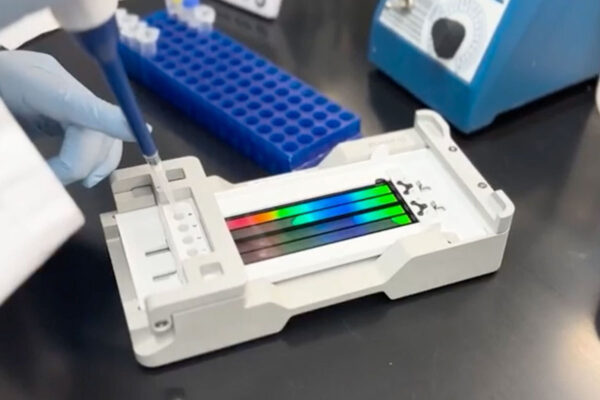
Medicare approves WashU Medicine’s whole-genome test for blood cancers
A new test for two blood cancers — developed by a team at the School of Medicine — is the first whole-genome sequencing test for cancer to be approved for reimbursement by the Centers for Medicare & Medicaid Services.
View More Stories