
Rudra to develop materials to improve vaccines
Jai Rudra, at the McKelvey School of Engineering, won a four-year $2 million grant from the National Institutes of Health (NIH) to support his lab’s research on adjuvants, materials that help make vaccines work better and last longer.

What’s ahead for 2023
What changes and trends could we see this year? WashU experts in areas from artificial intelligence to climate to fashion share their insights.
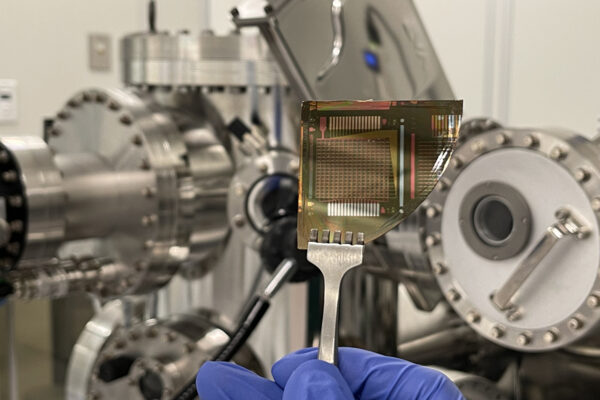
Two technical breakthroughs make high-quality 2D materials possible
Work by Sang-Hoon Bae, an assistant professor at the McKelvey School of Engineering, and his international team of collaborators would make next-generation electronics faster and use less power. Their study was published Jan. 18 in Nature.

Flores named Christopher I. Byrnes Professor of Engineering
Katharine Flores, a renowned materials scientist who develops new complex metallic alloys and advanced manufacturing techniques, was recently installed as the Christopher I. Byrnes Professor of Engineering.
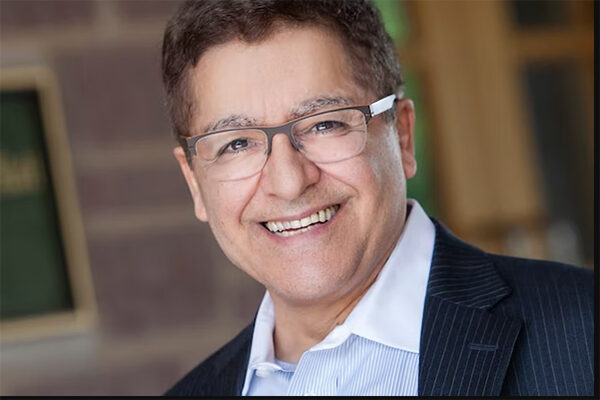
Nehorai paper wins sustained impact award
Arye Nehorai, at the McKelvey School of Engineering, has been selected for the 2022 IEEE Signal Processing Society (Sustained Impact Paper Award, which honors authors of journal articles of broad interest that have had impact over many years.
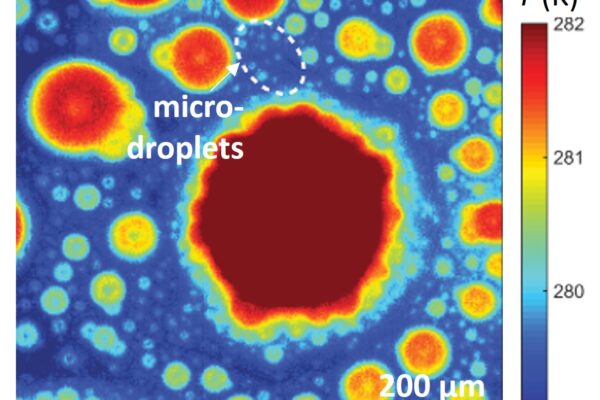
Condensation key to climate-friendly power generation
Patricia Weisensee, an assistant professor at the McKelvey School of Engineering, won a $351,971 National Science Foundation grant to support a new study of condensation in fluid refrigerants.
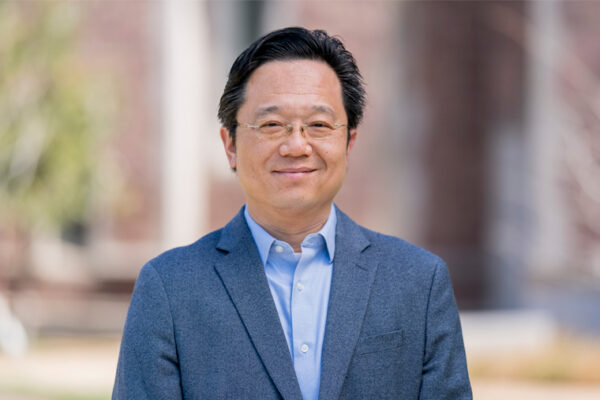
Lu wins IEEE leadership award
Chenyang Lu, at the McKelvey School of Engineering, has received the Outstanding Technical Achievement and Leadership Award from the IEEE Technical Community on Real-Time Systems. Lu is internationally renowned for work in cyber-physical and real-time systems.
Nanoplastics produce unexpected reactions when exposed to light
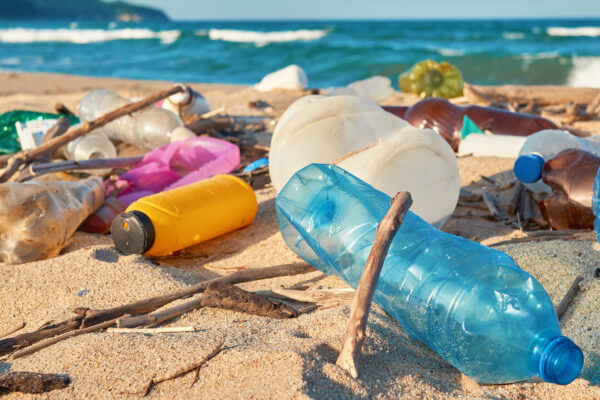
A team of researchers led by Young-Shin Jun at the McKelvey School of Engineering analyzed how light breaks down polystyrene, the plastic from which packing peanuts and disposable utensils are made. They found that small plastic particles interact with neighboring substances more easily than previously thought, including with things like heavy metals and organic contaminants.
Interfaces play important role in condensate behavior
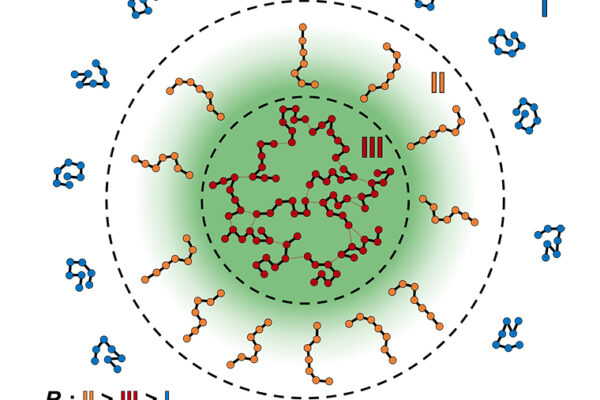
A team of researchers, led by Rohit Pappu at the McKelvey School of Engineering at Washington University in St. Louis, focused on defining the features of condensate boundaries. They found that within condensates — molecular communities that make up the building blocks of life — the molecules’ organization resembles the hub-and-spoke structure of airports.
Doctoral student wins Quad Fellowship
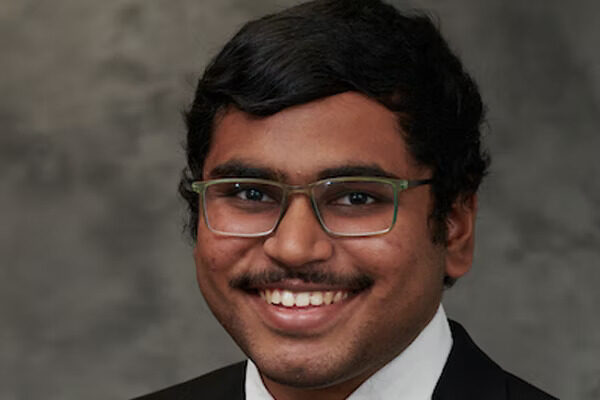
Ganesh Chelluboyina, a doctoral student at the McKelvey School of Engineering, received a 2023 Quad Fellowship. Chelluboyina studies light-absorbing aerosols, particularly organic aerosols that result from wildfires.
View More Stories