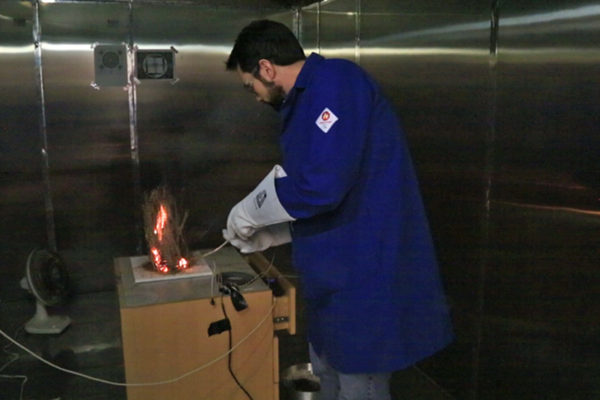
Recreating wildfires
Forest fires have enormous effects on both climate change and human health. A team of engineering scientists at Washington University in St. Louis are working through the fall recreating scaled-down forest fires in a lab to get a better understanding of what’s emitted during these natural disasters.
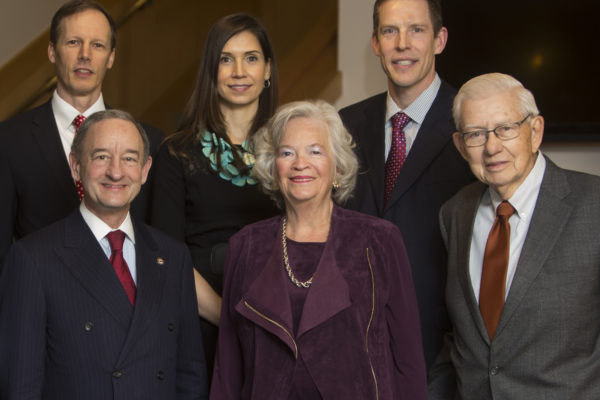
New engineering building to be named for school’s former dean
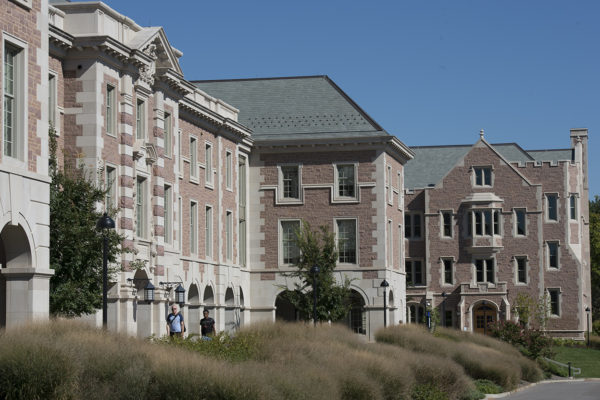
Washington University in St. Louis has announced that the next building in its engineering complex will be named in honor of James M. McKelvey Sr., for 27 years the dean of the School of Engineering & Applied Science. James M. McKelvey, Sr. Hall will house the Department of Computer Science and Engineering and is made possible by a lead commitment of $15 million from Washington University alumnus and McKelvey’s son, Jim Jr.
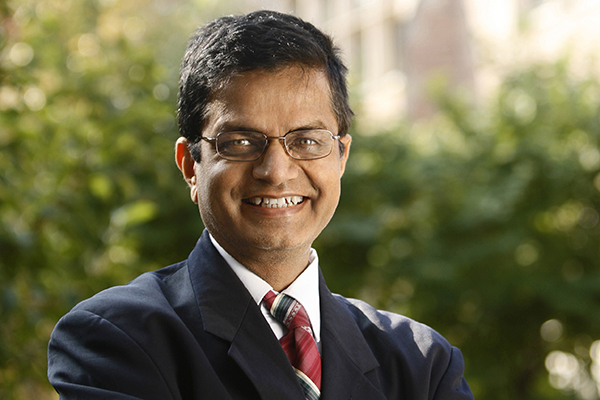
Jain presents at international conferences
Raj Jain, the Barbara J. and Jerome R. Cox, Jr. Professor of Computer Science at the School of Engineering & Applied Science, is giving keynote addresses at four conferences in October and November.
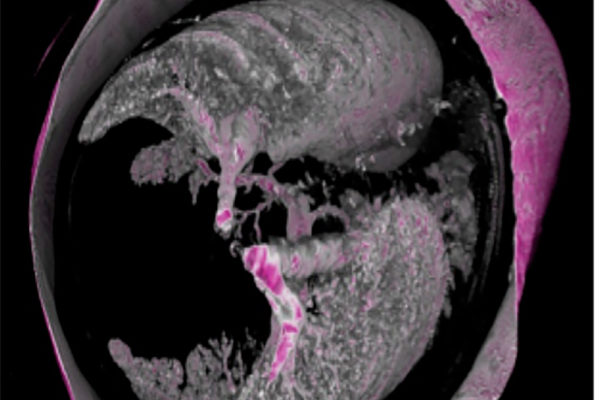
A closer look inside
A faculty member at Washington University in St. Louis’ School of Engineering & Applied Science has been awarded two separate grants worth a combined $2.5 million to develop better biomedical imaging tools.
Rudy delivers lectures at University of Oxford
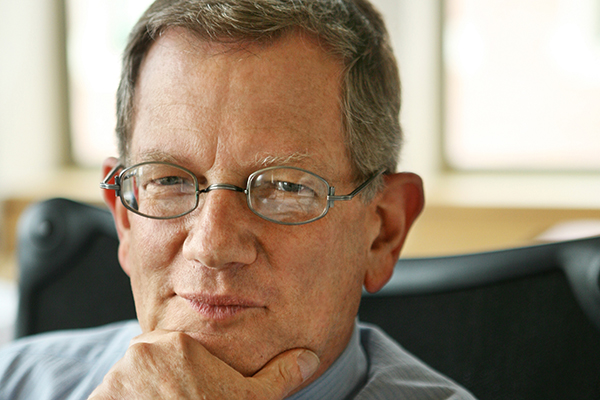
Yoram Rudy, the Fred Saigh Distinguished Professor of Engineering at Washington University in St. Louis, was a Royal Academy of Engineering distinguished visiting fellow and fellow of Merton College at the University of Oxford from Sept. 1 to Oct. 15.

Engineers win $2 million grant to design better batteries
Batteries’ performance and durability have improved in recent years, but there are still limits on what can be used safely and efficiently. Vijay Ramani, of the School of Engineering & Applied Science, received a $2 million grant from the U.S. Department of Energy to create a new membrane for batteries.
NSF announces new Science and Technology Center
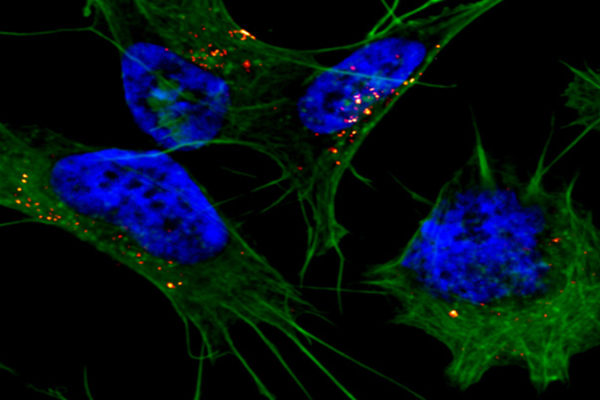
The National Science Foundation (NSF) has added a newly formed collaboration between Washington University in St. Louis and the University of Pennsylvania to its list of Science and Technology Centers (STC). The new center, one of just 12 nationally, will be supported by a $23.6 million NSF grant to study the mechanics of plant and animal cells. This deeper dive into how single cells function could transform both medicine and plant science.
Building smarter, safer infrastructure
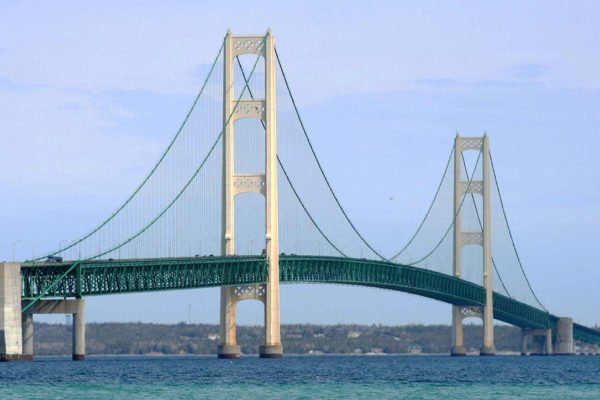
A team of engineers from Washington University in St. Louis is turning to small sensors and cloud computing for a smarter self-monitoring solution that can better sound the alarm in specific cases of infrastructure failure. It’s a solution that will get its first test Sept. 21 when it’s installed on Michigan’s Mackinac Bridge.
The shape-shifting protein behind Alzheimer’s disease
New research from Washington University in St. Louis shows that the protein behind Alzheimer’s disease shape-shifts, changing its internal structure in order to infiltrate brain cells and become toxic.
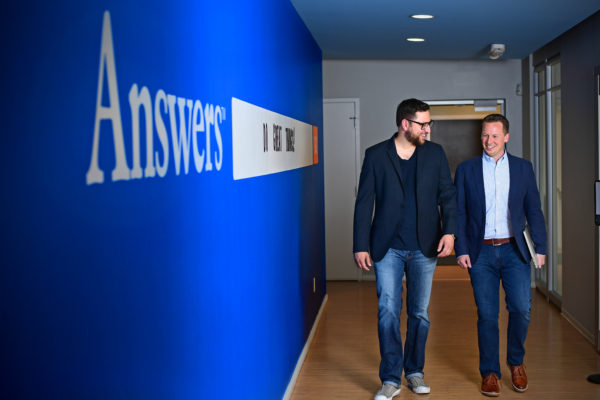
Q: How do you build a tech giant?
A: Ask David Karandish and Chris Sims, two entrepreneurial alumni who have parlayed a love of computer science into a flourishing corporation.
View More Stories