
Building better vaccines for the elderly
Meredith Jackrel, in Arts & Sciences, studies protein misfolding and how it leads to disease. She is collaborating with Jai Rudra at the McKelvey School of Engineering to develop amyloid-inspired vaccine technologies specifically tailored for seniors. The approach could be relevant to COVID-19 as the elderly are particularly susceptible to its severe complications.

Julia Lindon: Comedian on the rise
Comedian Julia Lindon writes, hosts a podcast and acts. She also recently created a TV pilot inspired by her own ‘coming-of-age and coming out’ experiences in New York. The show, Lady Liberty, is streaming now.
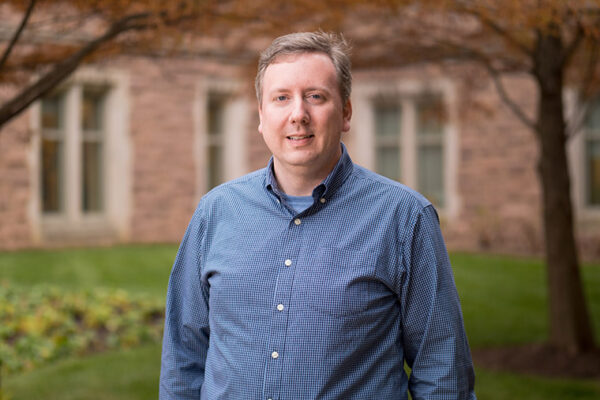
Catalano named mineralogical society fellow
Jeff Catalano, professor of earth and planetary sciences in Arts & Sciences, was elected a fellow of the Mineralogical Society of America. The honor recognizes Catalano’s outstanding contributions to the advancement of the fields of mineralogy, crystallography, geochemistry and petrology.
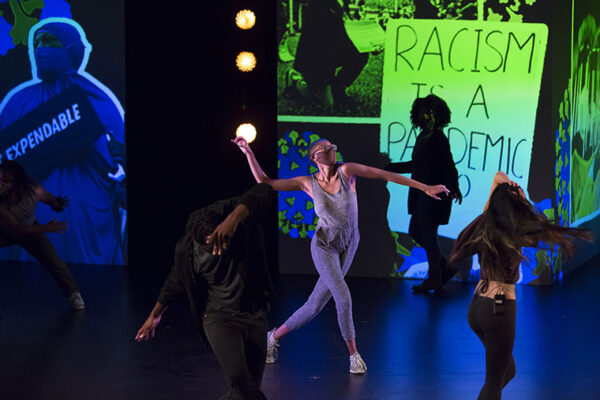
‘Remember… That Time Before the Last Time’
Protest and contagion. George Floyd and Breonna Taylor. Anti-maskers and contact tracing. In “Remember… That Time Before the Last Time,” students from the Performing Arts Department in Arts & Sciences join forces with Ron Himes and The Black Rep to reflect on the year that has been and to explore their own experiences of social protest, law enforcement, COVID-19 and the Black Lives Matter movement.

Penguin Poets to publish Tran’s debut
“All the Flowers Kneeling,” the debut collection by Paul Tran, a senior poetry fellow in the Writing Program in Arts & Sciences, will be published by Penguin Books as part of the Penguin Poets Series.
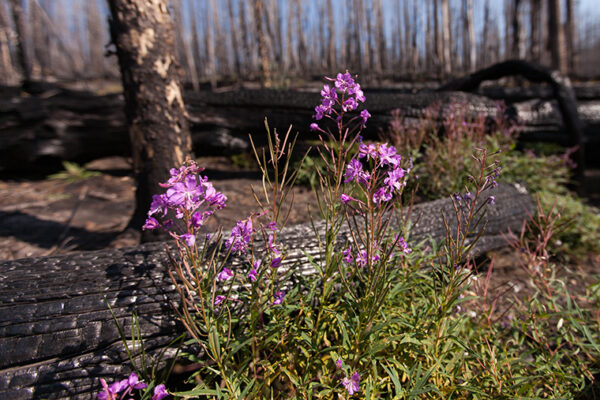
In fire-prone West, plants need their pollinators — and vice versa
A new study from the northern Rockies explores the role of fire in the finely tuned dance between plants and their pollinators. The research from biologists including Jonathan Myers in Arts & Sciences at Washington University in St. Louis is published Nov. 25 in the Journal of Ecology.
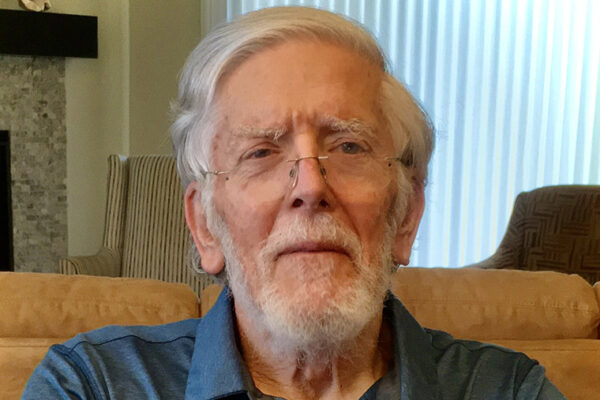
Obituary: Roger Phillips, professor emeritus in Arts & Sciences, 80
Roger Jay Phillips, professor emeritus of earth and planetary sciences in Arts & Sciences and former director of the McDonnell Center for the Space Sciences at Washington University in St. Louis, died Nov. 19 in Longmont, Colo., after suffering from complications of Parkinson’s disease. He was 80.

AAAS names 7 Washington University faculty as 2020 fellows
Seven faculty members at Washington University in St. Louis are among 489 new fellows selected by the American Association for the Advancement of Science (AAAS), the world’s largest general scientific society.

Stronger memories can help us make sense of future changes
Jeffrey Zacks’s latest research turns on its head some popular beliefs about memory, showing that a failed prediction isn’t simply a failure, but also a cue which can help people update their understanding — as long as they realize their prediction was wrong.
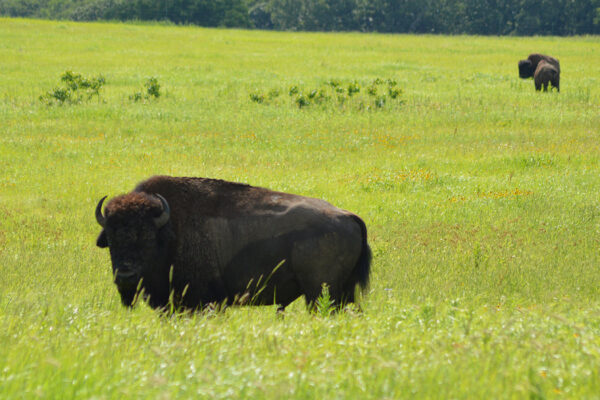
Secrets of the ‘lost crops’ revealed where bison roam
Research from Washington University in St. Louis helps flesh out the origin story for the so-called “lost crops” of the Midwest and Northeast. These plants that may have fed as many Indigenous people as maize, but until the 1930s had been lost to history. Natalie Mueller, assistant professor of archaeology in Arts & Sciences at Washington University in St. Louis, shares evidence that bison were “co-creators” — along with Indigenous peoples — of landscapes of disturbance that gave rise to greater diversity and more agricultural opportunities.
View More Stories