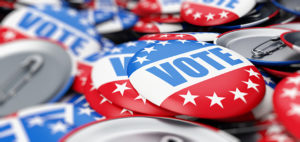
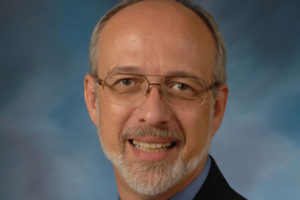
Emotions such as anger, fear, disgust and disillusionment can have dramatically different effects on voter apathy and turnout, said Alan Lambert, associate professor of psychological and brain sciences in Arts & Sciences at Washington University in St. Louis.
Brian Froelke, MD, of Washington University School of Medicine, has been recognized by the EveryLife Foundation for Rare Diseases as a state legislative advocate for patients with rare diseases.
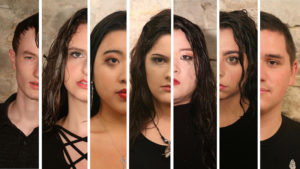
In the age of reality TV, what does it mean to be “authentic”? So asks senior Grace Haselhorst in “The Realness.” Thyrsus, Washington University’s student-run experimental theater group, will debut the play Nov. 9-11.
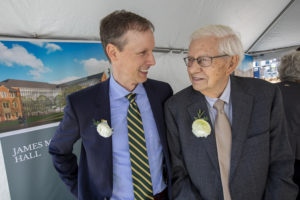
Washington University in St. Louis Chancellor Mark S. Wrighton and Dean Aaron Bobick of the School of Engineering & Applied Science joined faculty, staff and friends for a groundbreaking ceremony kicking off construction of James M. McKelvey, Sr. Hall.
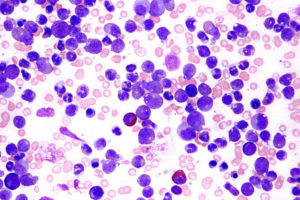
Extending its standing as one of the top leukemia programs in the U.S., the School of Medicine has been awarded an $11.5 million NIH grant to further high-level investigations into leukemia and related blood cancers. The grant funds a prestigious Specialized Program in Research Excellence (SPORE) in leukemia.
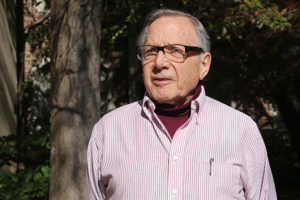
David L. Kirk, former professor of biology in Arts & Sciences, died Nov. 1, 2018, in St. Louis after a long illness. He was 84. Kirk spent a lifetime teaching and researching developmental biology and, in retirement, worked to improve the way evolution is taught in K-12 schools.
The Commencement Office is seeking volunteers for the December Degree Candidate Recognition Ceremony. The ceremony will be at 10 a.m. Dec. 8 in the Athletic Complex Field House.
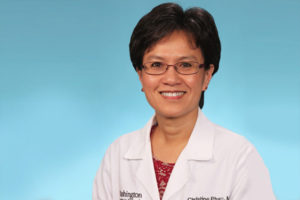
Christine Pham, MD, professor of medicine and of pathology and immunology at Washington University School of Medicine in St. Louis, has been named director of the Division of Rheumatology in the Department of Medicine.
Walter R. Bosch, DSc, associate professor of radiation oncology at Washington University School of Medicine in St. Louis, has been elected a fellow of the American Association of Physicists in Medicine. He was recognized for, among other contributions, his work involving data standards and interoperable exchange of radiotherapy information.