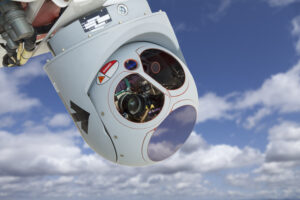
As I walk down the street every day, I see cameras everywhere I look. Lampposts, traffic lights, and the tops of buildings are all dotted with small, tinted glass domes that record our every move. Cameras have long been used by the police to track criminals and, in certain areas, to deter crime. This I […]
Kurt Dirks, vice chancellor for international affairs and director of the McDonnell International Scholars Academy, was part of a panel of policymakers and education administrators that offered perspectives on the current state of U.S.-China educational exchanges and such programs’ future direction.
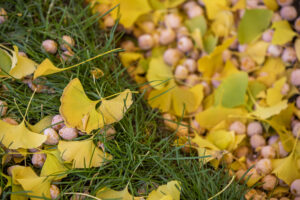
Some plants like ginkgo trees have either male or female flowers, not both. Susanne Renner, honorary professor of biology in Arts & Sciences, reviewed the genetic basis of sex determination in plants for Nature Plants and will guest-edit a special issue of a Royal Society journal on the topic.
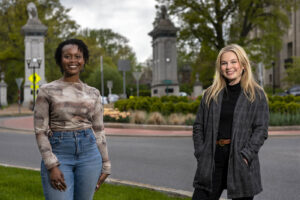
Welcome back to Class Acts, a celebration of the Class of 2021. This week, we spotlight advocates Leah Wren Hardgrove, Logan Phillips and Alexis Tinoco, three seniors working to make a difference.
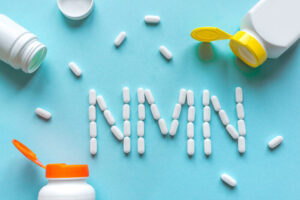
In the first clinical trial of nicotinamide mononucleotide (NMN), School of Medicine researchers have found that the compound previously demonstrated to counteract aspects of aging and improve metabolic health in mice also has clinically relevant effects in people.
Municipalities such as University City play a vital role in protecting the planet, and Washington University students are working hard to help the city meet its sustainability goals.
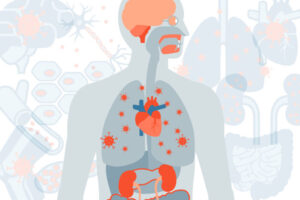
A new study from the School of Medicine shows that even mild cases of COVID-19 increase the risk of death in the six months following diagnosis. The comprehensive study also catalogues the wide-ranging and long-term health problems often triggered by the infection, even among those not hospitalized.
Chancellor Andrew D. Martin and four other faculty members of Washington University were elected members of the American Academy of Arts & Sciences, the academy announced April 22. The others are Deanna Barch, John Baugh, Pascal Boyer and Holden Thorp. Founded in 1780, the academy honors exceptional scholars, leaders, artists and innovators.
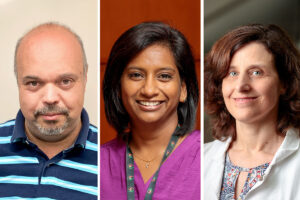
Three researchers at Washington University School of Medicine have been elected to the American Academy of Microbiology in recognition of their scientific achievements and original contributions that have advanced the field of microbiology.