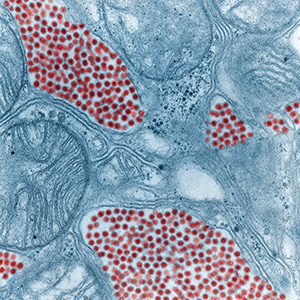
Arguably among the most profound scientific advancements of our time, genome sequencing is having significant impacts on the understanding of human health and disease. Yet growing concerns exist around the matter of the return of a patient’s genetic results and the treatment of a patient’s genomic data at all levels of care.
As part of an ongoing road construction project, the Tower Grove Avenue bridge over Interstate 64/Highway 40 will be closed for about two weeks, beginning Monday, Feb. 3. When the bridge reopens, it will remain open until March 7 (tentatively), when it and the Boyle Avenue bridge will be closed for demolition.
An innovative new initiative will bring 20 rising high school sophomores to the Washington University in St. Louis campus for three summers. The students will live on the South 40, take classes for credit and craft their college essays.
Last year, almost 900,000 low- and moderate-income tax filers participated in a unique tax preparation savings intervention program, depositing approximately $5.9 million more into savings accounts than they would have without the intervention. As the 2014 tax season opens, the Refund to Savings initiative continues with adjustments designed to help more Americans build savings. “The intervention is promising,” says Michal Grinstein-Weiss PhD, associate director of the Center for Social Development, which helped develop the program.
Scientists at the School of Medicine have discovered what appears to be a potent stimulator of new bone growth. The finding could lead to new treatments for osteoporosis and other diseases that occur when the body doesn’t make enough bone.
Scientists have identified a new way that some viruses protect themselves from the immune system’s efforts to stop infections, a finding that may make new approaches to treating viral infections possible.
As the City of St. Louis marks the 250th anniversary of its founding with a yearlong series of events, scholars from across the nation will provide their perspectives on the city’s historical significance during a daylong symposium Friday, Feb. 14, at the Missouri History Museum in Forest Park.
Washington University in St. Louis faculty participated in the annual i teach symposium at the Knight Center earlier this month. It was a chance for faculty and staff from all seven schools to exchange ideas about innovative teaching across disciplines.
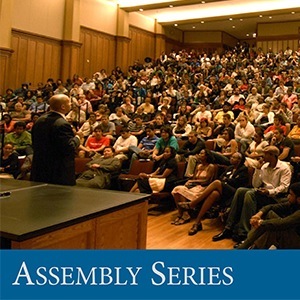
The Washington University in St. Louis Assembly Series turned 60 in 2013, and to mark such an august occasion, it’s fitting to remember why the lecture series was conceived in the first place. The Assembly Series launched during the institution’s centennial celebration in 1953 as a way to involve the broader St. Louis community in the robust intellectual life on campus.
Robyn S. Hadley, founder and executive director of the “What’s After High School” program in Burlington, N.C., has been named associate vice chancellor and director of the prestigious John B. Ervin Scholars Program at Washington University in St. Louis.