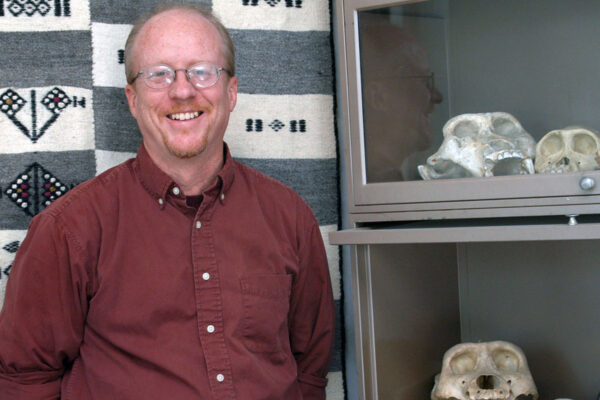
Rasmussen’s posthumous publication solves ancient monkey mystery
Nearly five years after his death, colleagues of Washington University in St. Louis anthropologist David “Tab” Rasmussen are recognizing his contributions by listing him as first author on a primate evolution paper published March 26 in the Proceedings of the National Academy of Sciences.
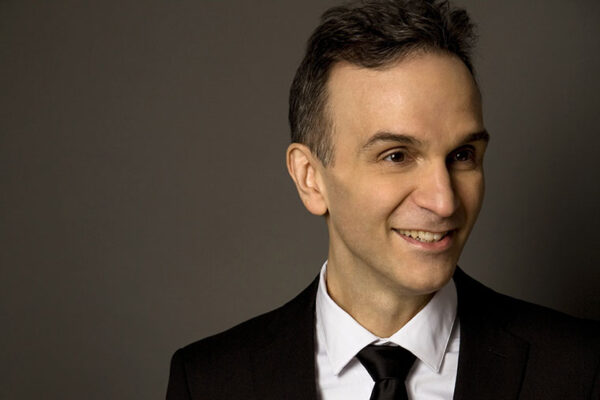
Great Artists Series presents Gil Shaham April 7
Praised for his “silvery tone” (Washington Post) and “gleeful command” (New York Times), Gil Shaham is among today’s foremost violinists. At 7 p.m. April 7, Shaham will join pianist Akira Eguchi for an evening of classical and contemporary duets as part of Washington University’s Great Artists Series.
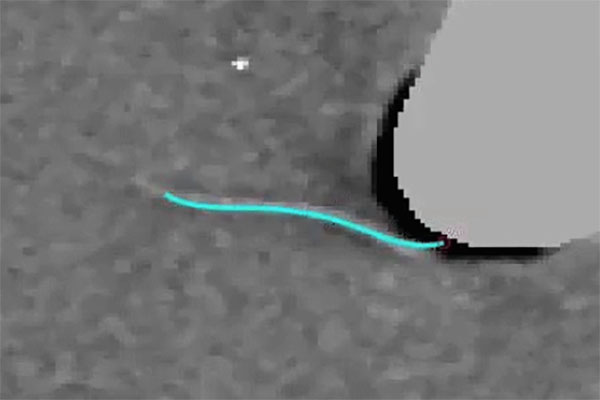
Making waves: Researchers shed light on how cilia work
An interdisciplinary team of researchers from the McKelvey School of Engineering and the School of Medicine have found the most efficient length for cilia, the tiny hair-like structures designed to sweep out the body’s fluids, cells and microbes to stay healthy.

WashU Expert: What happens if ACA is eliminated?
The Trump administration said this week that the whole Affordable Care Act should be struck down in the courts. Doing so would have profound implications on health care and the economy, says an expert on health economics at Washington University in St. Louis.
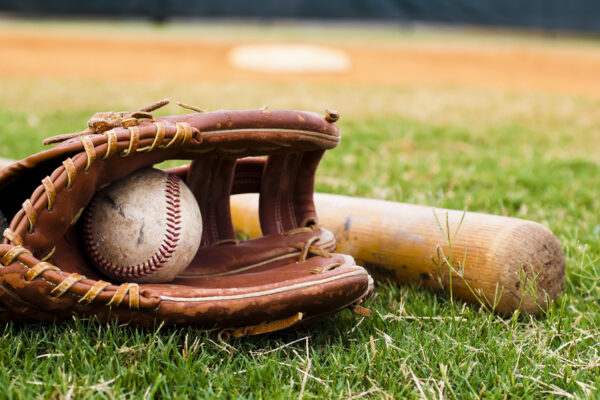
Going deep: The ‘contagious energy’ of Opening Day
In celebration of Major League Baseball’s Opening Day, Washington University students and faculty look at the statistics, physics, business and cultural significance of America’s pastime.
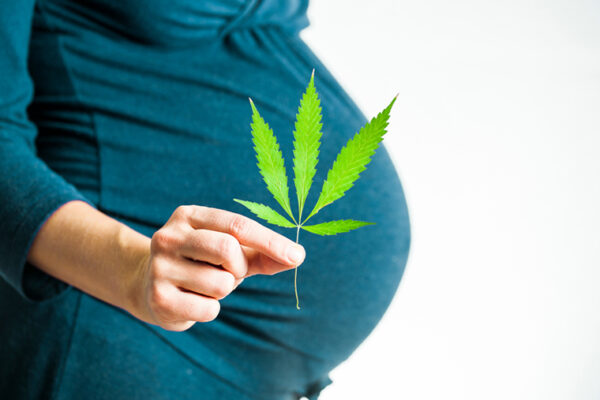
Cannabis during pregnancy bumps psychosis risk in offspring
Pregnant women who use cannabis may slightly increase the risk their unborn child will develop psychosis later in life, suggests new research from Washington University in St. Louis.
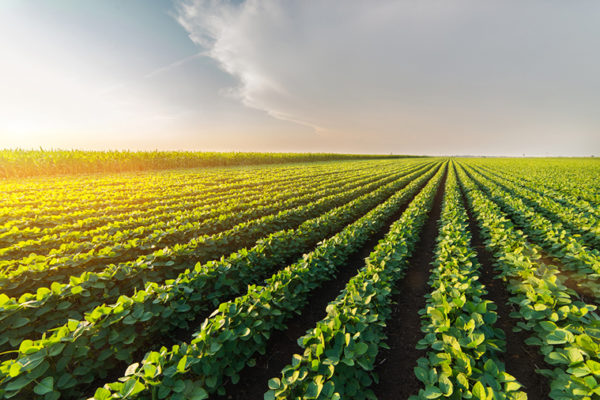
Federal farming report features two Olin researchers
Two Olin Business School researchers at Washington University in St. Louis are highlighted in a new federal report issued March 27 showing how U.S. farmers — facing a surge of weather events and disease outbreaks — can increase production and revenues with innovations produced by government-funded agricultural research.
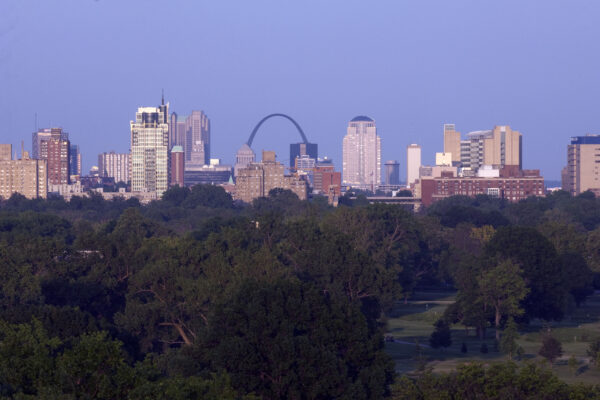
Washington University creates faculty group to spur thinking, dialogue around Better Together
The university has convened a faculty group to consider the Better Together proposal from various perspectives and areas of expertise and to offer opportunities for the campus community to engage in dialogue.
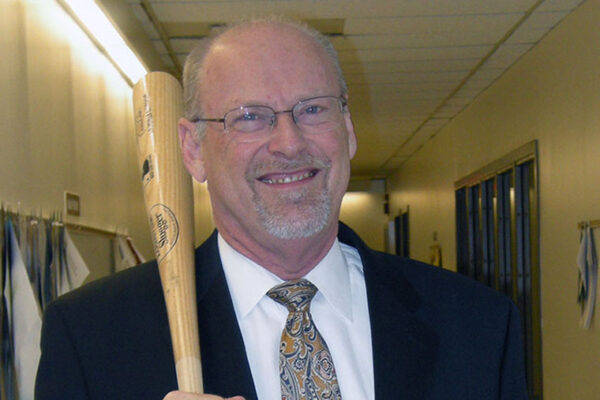
The physics of baseball
David Peters, the McDonnell Douglas Professor of Engineering in the McKelvey School of Engineering at Washington University in St. Louis, has a body of work in applied aerodynamics and a host of academic honors, but he’s also a baseball fan. That’s why watching a baseball game takes on a whole new spin, aerodynamically speaking.
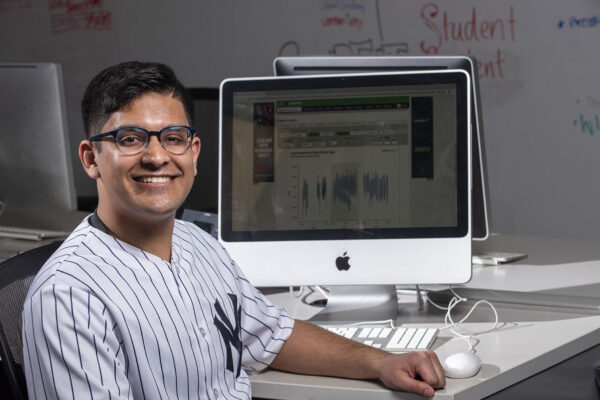
Self-proclaimed baseball and math nerd scores dream job
The New York Yankees have hired Washington University senior Rohan Gupta as a baseball operations associate. He will crunch big data, “Moneyball”-style, to give his team a competitive edge. It’s a dream job for a student who is passionate about sports and statistics.
View More Stories