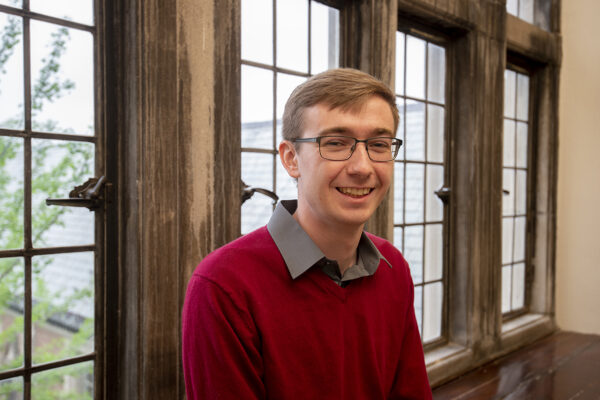
Mentoring rural students
James Schisler grew up 100 miles west of St. Louis in St. James, Mo., population 4,216. When only one-fifth of his high school class returned to college their sophomore year, Schisler was determined to find out why. He believes cohort programs, like the ones he belonged to, can help rural students access the support and resources they need.

Seven to receive honorary degrees at the 158th Commencement
Washington University in St. Louis will award seven honorary degrees during its 158th Commencement May 17. During the ceremony, which will begin at 8:30 a.m. in Brookings Quadrangle on the Danforth Campus, the university will bestow academic degrees on approximately 3,400 members of the Class of 2019.
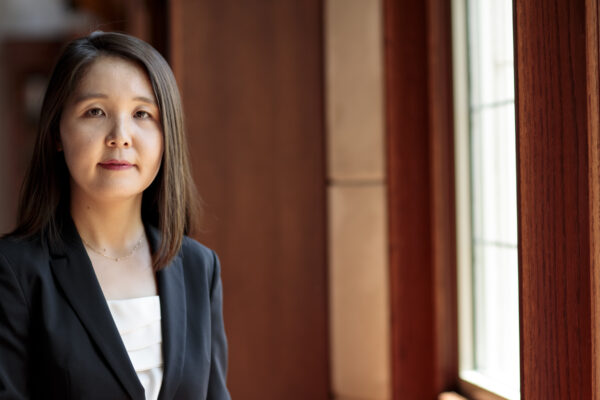
Combining law and medicine
Testifying on U.S. gun violence in Bogota, Colombia. Presenting on privacy in the digital age. Writing a dissertation on clinical whole-genome sequencing data. Making the Dean’s List. All in a day’s work for Jiyeon Kim, who will be graduating with a doctor of law from the School of Law and who plans a career focused on health and technology law and policy.
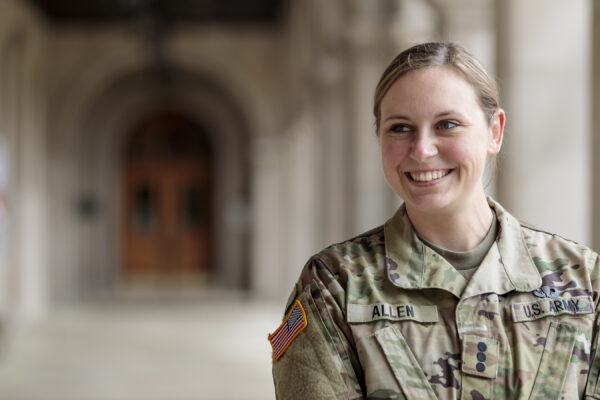
Class Acts: Committed to cultural understanding
Entering college, Haley Allen knew she wanted to join ROTC so she could be an officer in the U.S. Army. But an ROTC trip Tanzania sparked a passion for Swahili and East African culture and history. She graduates this month with a degree in international studies and hopes to serve in Africa after completing helicopter training at Fort Rucker, Alabama.
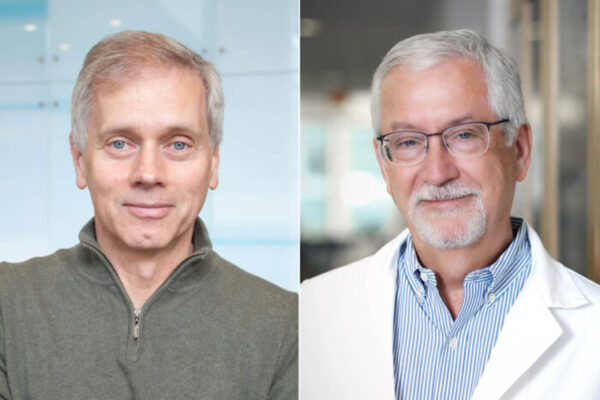
Colonna, Ley elected to National Academy of Sciences
Marco Colonna, MD, the Robert Rock Belliveau, MD, Professor of Pathology (left), and Timothy J. Ley, MD, the Lewis T. and Rosalind B. Apple Chair in Oncology, both at the School of Medicine, have been elected to the National Academy of Sciences. The new members were announced April 30.
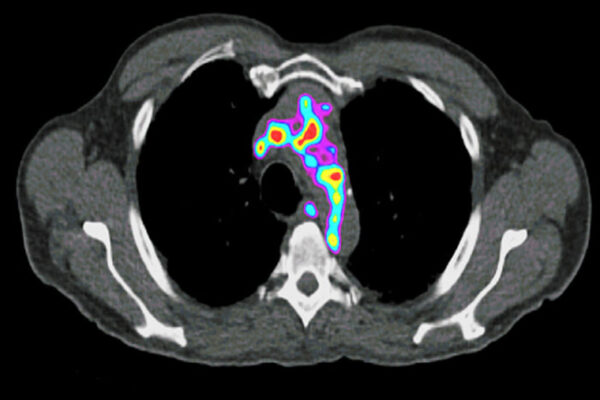
$5.1 million to target silent cause of heart attacks, strokes
The School of Medicine’s Yongjian Liu has received an Emerging Investigator Award to find ways to detect plaque at risk of shedding fragments that could cause heart attacks or strokes.

Antibiotics may treat endometriosis
Researchers at the School of Medicine have found that treating mice with an antibiotic reduces the size of lesions caused by endometriosis. The researchers are planning a clinical trial to test the strategy in women who have the painful condition.
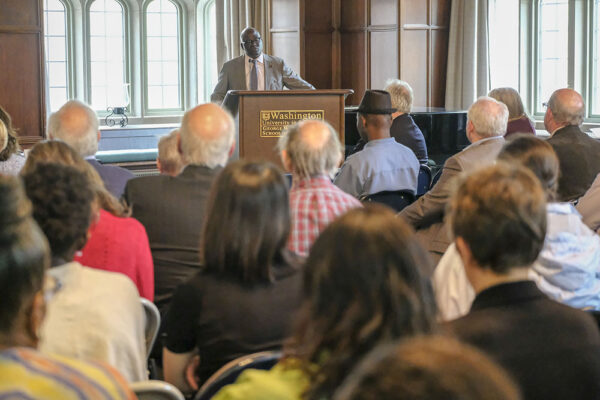
‘Lessons learned’ from engaging in Africa
Washington University in St. Louis is committed to engaging with its global partners to help address our biggest challenges together. This spirit of collaboration was evident at the inaugural meeting of the Africa initiative, held April 23 on the Danforth Campus.
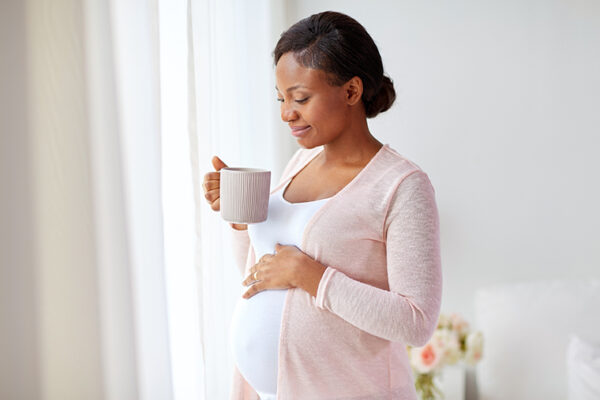
Pregnancy shifts the daily schedule forward
New research from Washington University in St. Louis finds that women and mice both shift their daily schedules earlier by up to a few hours during the first third of their pregnancy. The new study shows how impending motherhood induces changes in daily timing of a mother which, when disrupted, may put a pregnancy at risk, as reported in the Journal of Biological Rhythms.

Study analyzes benefits of tracking devices for auto insurance
A new business study involving Washington University in St. Louis provides analytical theories showing that such driver-monitoring technology can not only prove beneficial to the bottom lines of some consumers, but also to insurance companies by alleviating moral hazards that affect the risks of accidents.
View More Stories