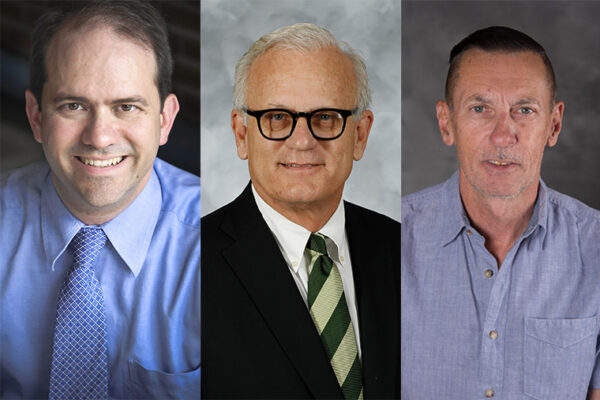
2020 election and the economy
Three experts from the Olin Business School at Washington University in St. Louis weigh in on President Trump’s record, the state of the economy and what to expect from a second Trump term or a Biden administration.
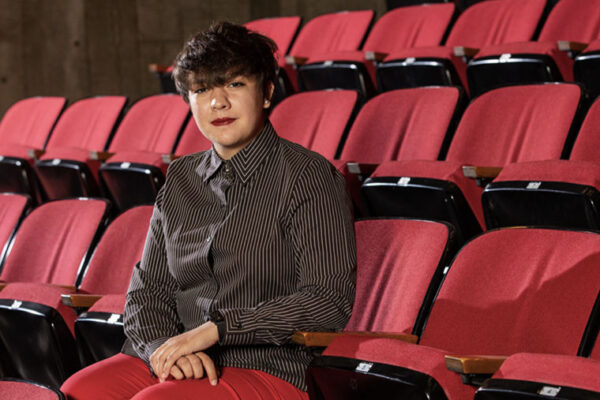
Inside the Hotchner Festival: Holly Gabelmann
Cheryl is charming and vivacious. Cheryl is selfish and unreliable. In her new comedy “Cheryl Robs a Bank,” which will debut this weekend as part of the A.E. Hotchner New Play Festival, Holly Gabelmann explores questions of identity, self-presentation, anti-heroism and who gets to tell the story.
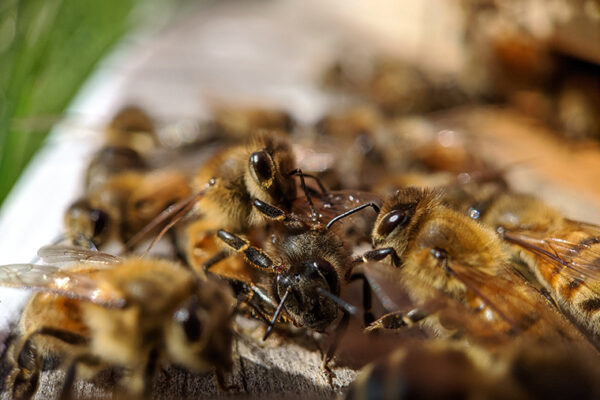
‘Honey bee, it’s me’
New research from Washington University in St. Louis shows that honey bees rely on chemical cues related to their shared gut microbial communities, instead of genetic relatedness, to identify members of their colony.
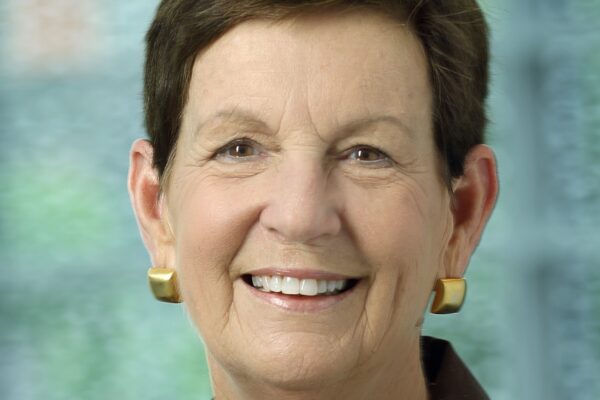
Reel appointed interim chief information officer
Stephanie L. Reel, most recently chief information officer for all divisions of the Johns Hopkins University and Health System, has been appointed interim chief information officer at Washington University, according to Chancellor Andrew. D. Martin. Reel will serve in the role while the university conducts a national search for a permanent CIO.
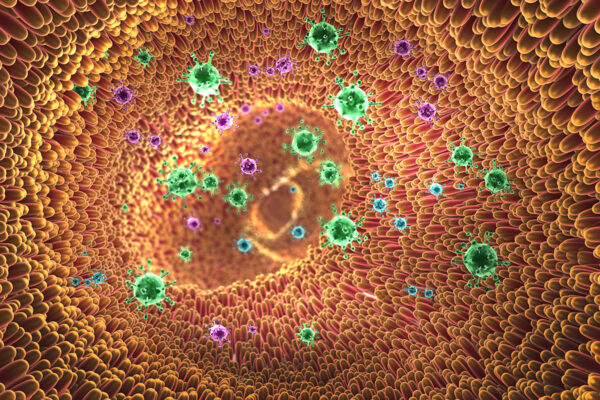
Role of gut viruses in inflammatory bowel disease is focus of $8.5 million grant
School of Medicine researchers have received an $8.5 million grant to study the role of gut viruses in inflammatory bowel disease. Tools developed in the course of the project could accelerate research into other roles of the virome in health and disease.
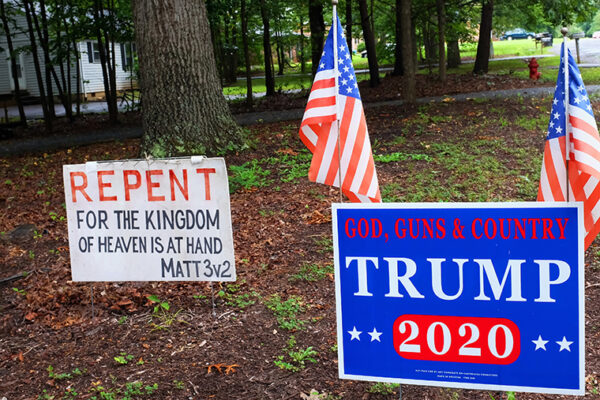
Religion and the 2020 election
According to Lerone A. Martin, director of American Culture Studies and associate professor of religion and politics and of African and African-American studies, all in Arts & Sciences at Washington University in St. Louis, modern evangelical voters have supported political candidates for myriad reasons, not all of which are in line with traditional Christian values.
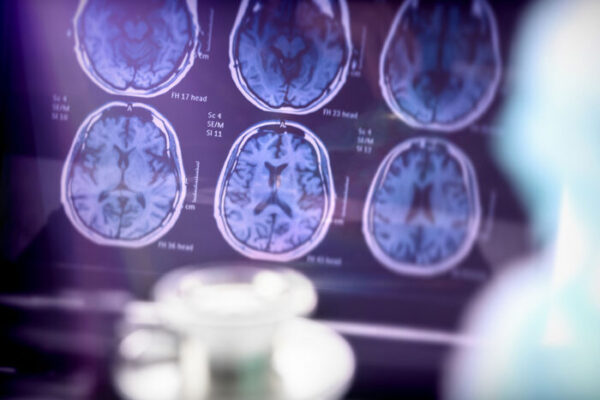
Racial differences in Alzheimer’s research focus of $15 million grant
A new grant for research at the School of Medicine focuses on brain scans and other markers of Alzheimer’s. The aim is to establish whether early markers of disease in white populations also apply to African Americans.
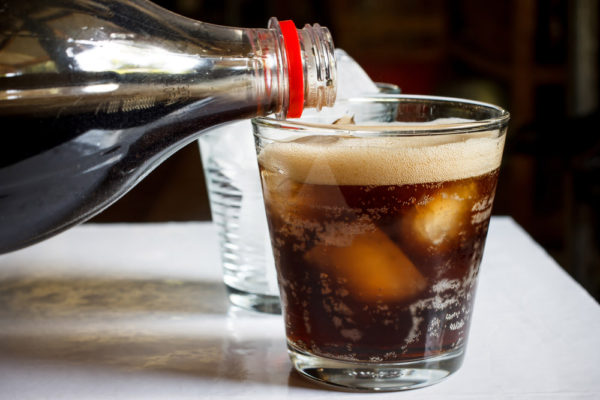
Labels can help deter soda consumption, but legislating them in U.S. no small feat
Sugar-sweetened beverage warning labels are effective in dissuading consumers from choosing them, with graphics having the greatest impact, finds a new study from the Brown School at Washington University in St. Louis.

Washington University students get out the vote on campus, in the community
Washington University students are not only excited to vote in the upcoming election, they are stepping up to help others on campus and in the community cast their ballots. Here, three students share how they are getting out the vote.
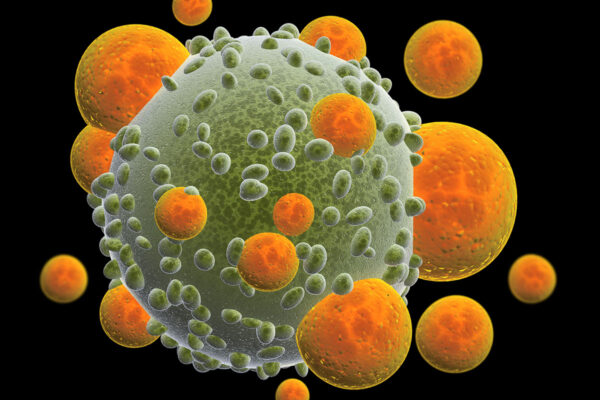
New discovery could help improve cancer vaccines
New research — co-led by Washington University School of Medicine — has identified the most important features of cancer cells’ protein fragments, which can help distinguish the tumor from healthy tissue, enabling researchers to design better immunotherapies, including vaccines.
View More Stories