
WashU Expert: Forget plexiglass, debaters just need 4.5 feet, smart airflow
Four and a half feet — as long as debaters are at least this far apart, with airflow directed back at them, the risk of infection with SARS-CoV-2 is minimal to none, say researchers at Washington University in St. Louis.
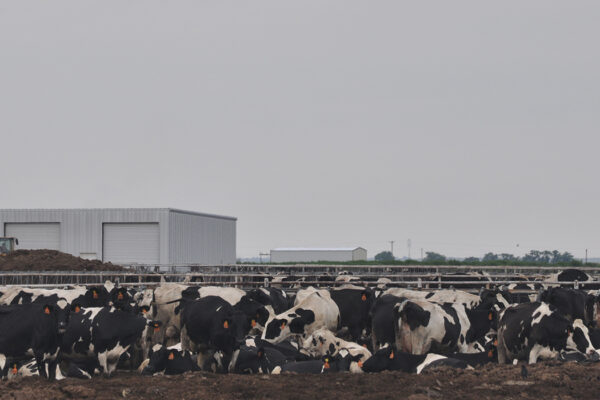
Sicker livestock may increase climate woes
Climate change is affecting the spread and severity of infectious diseases around the world — and infectious diseases may in turn be contributing to climate change, according to new research from Washington University’s Living Earth Collaborative working group led by biologist Amanda Koltz in Arts & Sciences.
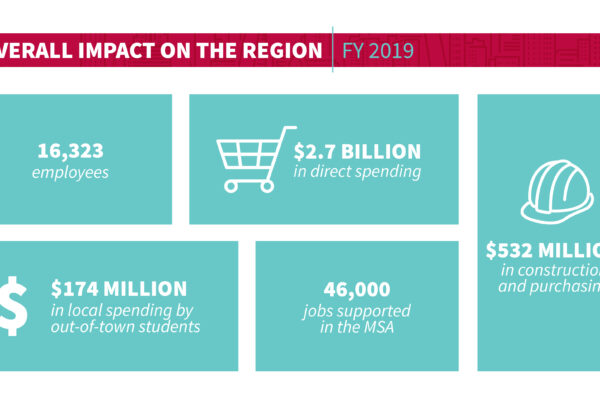
University contributed $2.7 billion to local economy in fiscal 2019
Washington University made a big impact on the St. Louis economy in fiscal year 2019, spending $2.7 billion in the region. A new report shows the university spent $1.6 billion in salaries, $301 million in goods and services and $232 million in construction. The university also continued to draw top talent and research dollars to the region, provide exceptional patient care and support local schools and community organizations.
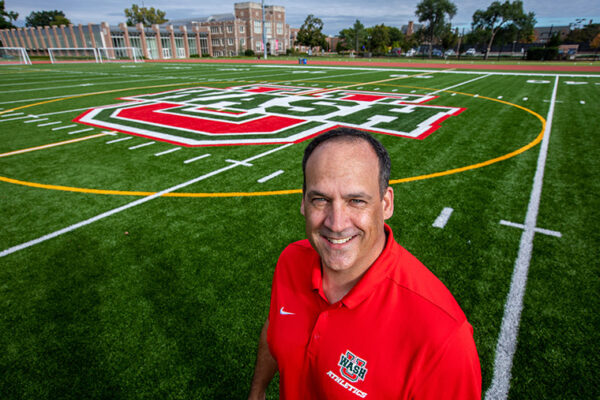
Embracing resiliency: Meet new football coach Aaron Keen
No one could have foreseen a fall without football when Aaron Keen was named head coach last January. But the 1994 WashU graduate is tackling the challenge of his first season head on, with resiliency and a positive mental attitude learned under his friend and mentor, Larry Kindbom.
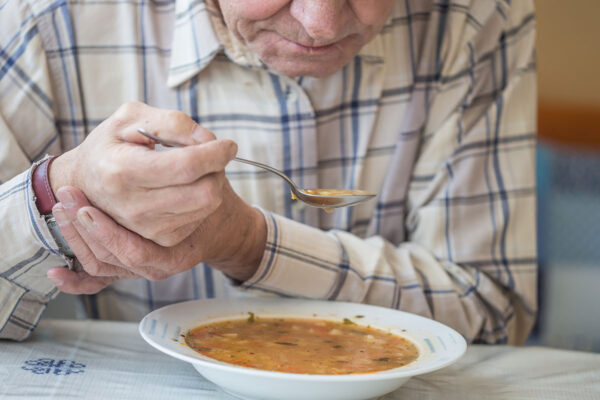
Brain inflammation in Parkinson’s disease focus of $3.2 million grant
Researchers at Washington University School of Medicine have received a grant to study the role of brain inflammation in Parkinson’s disease. The project focuses on whether inflammation aids the spread of Parkinson’s damage throughout the brain.
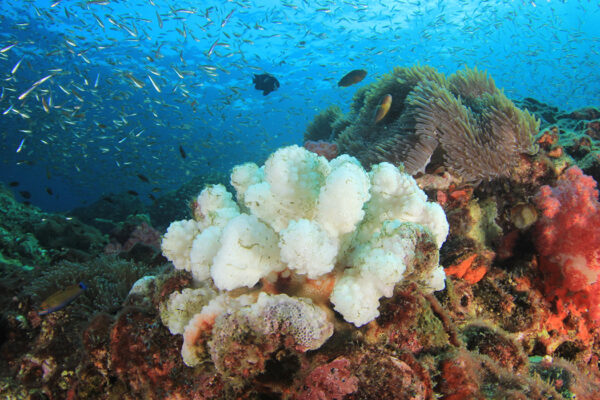
Teaching high school chemistry with real-world examples
Michael Wysession, professor in earth and planetary sciences, and Bryn Lutes, a lecturer in chemistry, both in Arts & Sciences at Washington University in St. Louis, believe that high school students will learn chemistry better when they crunch actual climate data, rather than memorize the periodic table by rote. They helped write a national chemistry curriculum that is loaded with real-world examples — like ocean acidification — and is already being rolled out by school districts in Los Angeles and other parts of California.
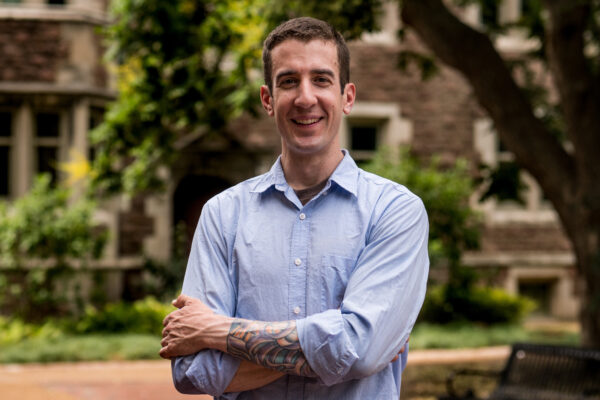
Hengen awarded $1.8M to study sleep’s contribution to brain function
Keith Hengen, assistant professor of biology in Arts & Sciences at Washington University in St. Louis, received a three-year $1.8 million grant to study the role of sleep and waking behavior in shaping the brain’s neural dynamics. His research will help scientists understand how sleep contributes to healthy cognition and shed light on the mechanisms by which disrupted sleep worsens neurodegenerative and mental health disorders.
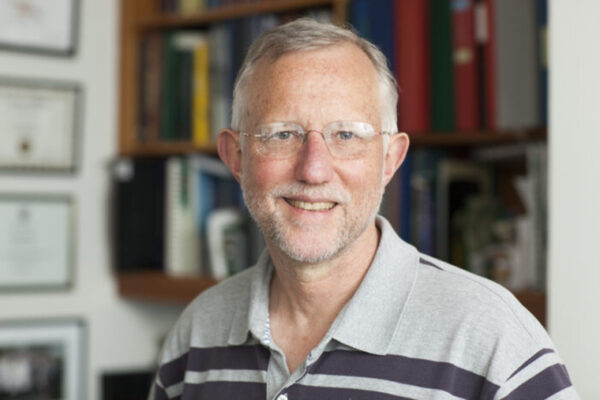
Nobel awarded to Charles Rice for hepatitis C discoveries at School of Medicine
The 2020 Nobel Prize in Physiology or Medicine was awarded Oct. 5 to three scientists for groundbreaking research that led to the discovery of the hepatitis C virus. One of those scientists — virologist Charles M. Rice — conducted his seminal work while on the faculty of Washington University School of Medicine.
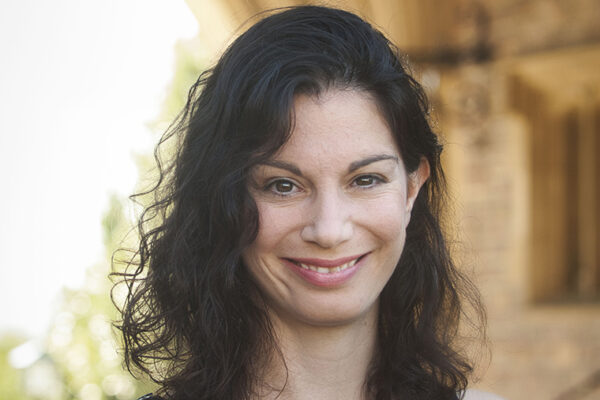
Smith named vice provost for educational initiatives
Jennifer R. Smith, dean of the College of Arts & Sciences at Washington University in St. Louis, has been named to the new position of vice provost for educational initiatives, announced Beverly R. Wendland, provost and executive vice chancellor.
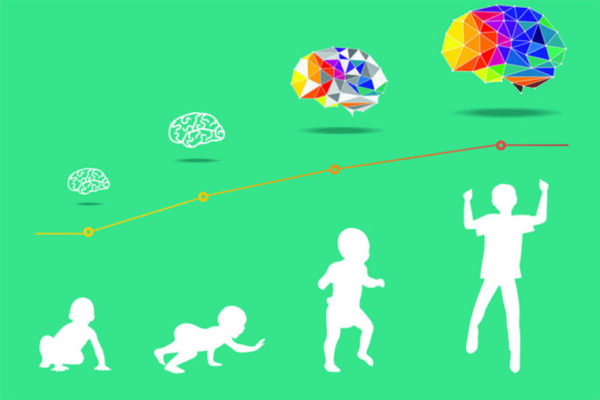
Basis of developmental disabilities focus of $11.3 million in grants
School of Medicine researchers have received renewed National Institutes of Health (NIH) funding for the Intellectual and Developmental Disabilities Research Center. The center’s researchers study genetic and environmental factors that contribute to developmental disabilities.
View More Stories