Splitting the difference: One person, two minds
Arts & Science philosopher Lizzie Schechter uses elements of two philosophical traditions to propose a new way to think about split-brain subjects. Her new book “Self-Consciousness and ‘Split’ Brains: The Minds’ I,” will be published June 1.

Do babies know what we like?
Behind the chubby cheeks and bright eyes of babies as young as 8 months lies the smoothly whirring mind of a social statistician, logging our every move and making odds on what a person is most likely to do next, suggests new research co-led by Washington University in St. Louis.

People stay true to moral colors, studies find
While philosophers and voters can debate the pros and cons of situational ethics, new research from Washington University in St. Louis suggests that most people stay true to their intrinsic moral colors — good or bad — when dealing with day-to-day choices, regardless of extenuating circumstances or well-intended reform efforts.
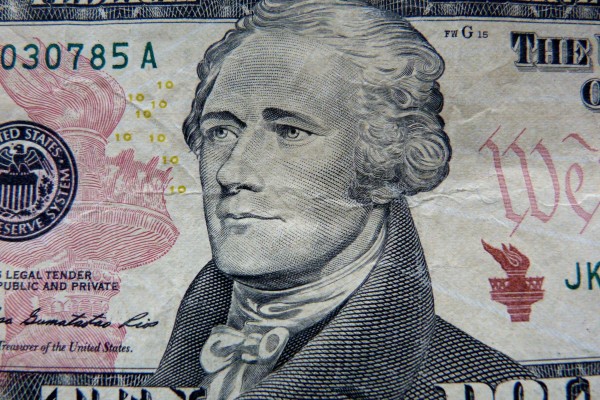
Memory test: Which president is this?
Alexander Hamilton, Benjamin Franklin, Hubert Humphrey and some guy named “Thomas Moore” are among the names that many Americans mistakenly identify as belonging to a past president of the United States, finds a news study by memory researchers at Washington University in St. Louis.

Pre-lecture diagrams help students take better notes, learn more
Lecture-based learning can be challenging for students who have difficulties building mental models for the organization of new information, but providing them with diagrams and other supporting material in advance of the lecture can help them overcome these hurdles, suggests new research from Washington University in St. Louis.
Carrot or stick? Punishments may guide behavior more effectively than rewards
When it comes to rewards and punishments, which is more effective — the carrot or the stick? Researchers at Washington University in St. Louis have devised a simple experiment to test the effects of rewards and punishments on behavior and have found that punishments seem to be more effective at influencing behavior.
Older adult clumsiness linked to brain changes
For many older adults, the aging process seems to go hand-in-hand with an annoying increase in clumsiness. New research from Washington University in St. Louis suggests some of these reaching-and-grabbing difficulties may be caused by changes in the mental frame of reference that older adults use to visualize nearby objects.
Military service changes personality, makes vets less agreeable
It’s no secret that battlefield trauma can leave veterans with deep emotional scars that impact their ability to function in civilian life. But new research from Washington University in St. Louis suggests that military service, even without combat, has a subtle lingering effect on a man’s personality, making it potentially more difficult for veterans to get along with friends, family and co-workers.