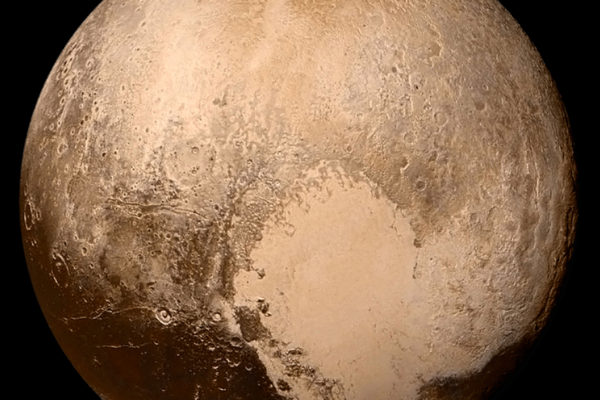
Pluto: A cosmic lava lamp
Using computer models, New Horizons team members have been able to determine the depth of the layer of solid nitrogen ice within Pluto’s distinctive “heart” feature — a large plain informally known as Sputnik Planum — and how fast that ice is flowing. “For the first time, we can really determine what these strange welts of the icy surface of Pluto really are,” said William B. McKinnon, who led the study.
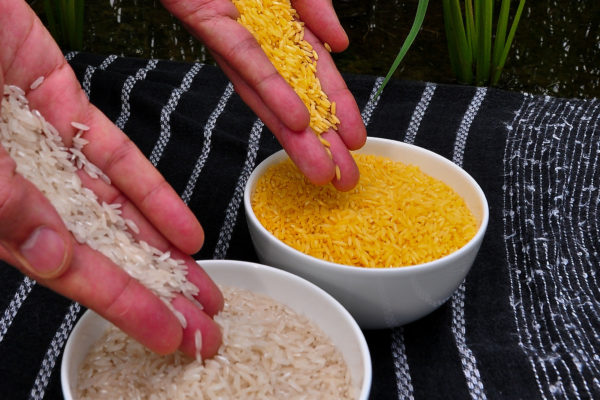
Study: Golden Rice falls short of life-saving promises
Heralded on the cover of Time magazine in 2000 as a genetically modified (GMO) crop with the potential to save millions of lives in the Third World, Golden Rice is still years away from field introduction and even then, may fall short of lofty health benefits still cited regularly by GMO advocates, suggests a new study from Washington University in St. Louis.
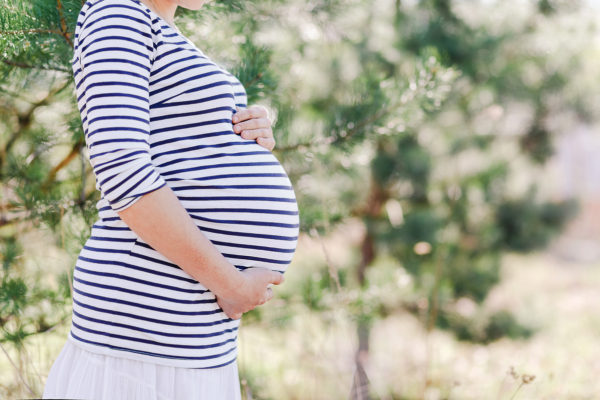
Using 3-D mathematical patterns to track childbirth contractions
By studying the electric activity that causes uterine contractions in pregnant women, researchers at Washington University in St. Louis and their collaborators have developed a multiscale model they believe may aid in predicting preterm birth.
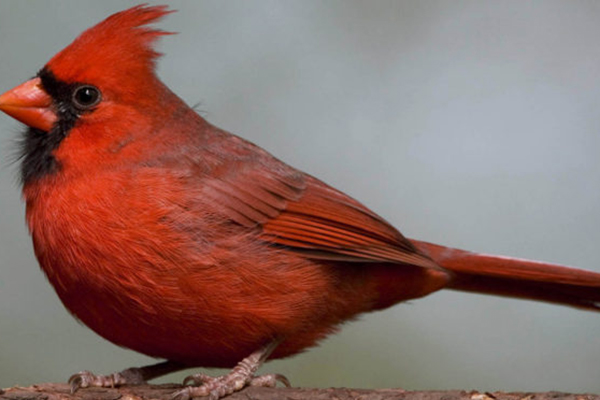
How did cardinals get those bright red feathers?
Researchers at Washington University School of Medicine in St. Louis and colleagues have discovered the gene that produces the brilliant red color in male birds that is so attractive to females. The study is published online May 19 in Current Biology.
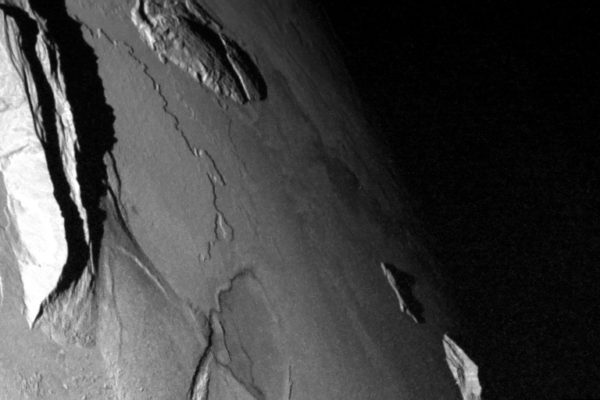
Squeezing out mountains, mathematically, on Jupiter’s moon Io
The odd-looking mountains on Jupiter’s innermost moon, Io, are made by a tectonic process unique to Io (and maybe the early Earth), suggests a numerical experiment by two scientists, including Washington University’s Bill McKinnon.
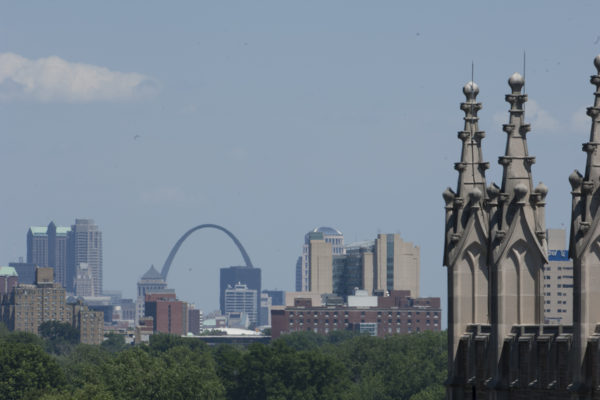
Using nighttime air chemistry to track ozone impact
St. Louis’ hazy summers can sometimes be too hot to handle for people with respiratory issues; increased ozone levels can make the air tough to breathe. A team of engineers at Washington University collaborated on a study of St. Louis’ late-summer air quality. They found that naturally occurring compounds processed in the night sky can have a big impact on ozone levels the next day.
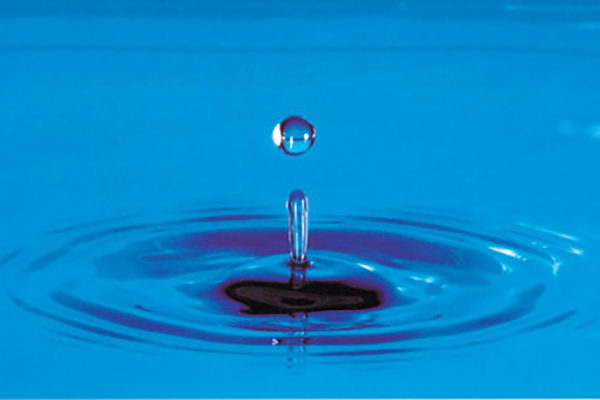
Cause and effect, or effect and cause?
A lab at Washington University in St. Louis is one of the first in the world to look at spontaneous emission with an instrument sensitive to the wave rather than the particle nature of light. Because the light is entangled with the atom that emitted it, this kind of detection may provide a way to control the quantum state of the atom.
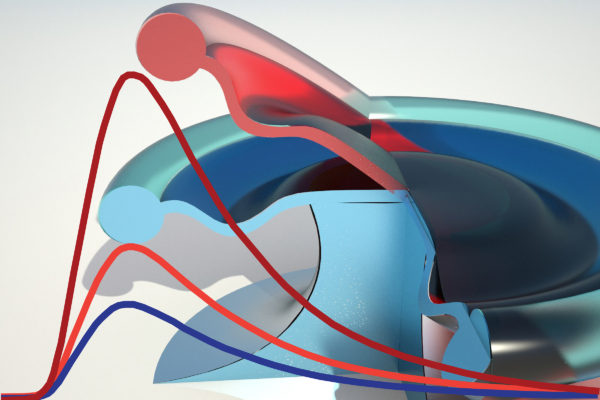
A new route to chaos
Researchers in the School of Engineering & Applied Science at Washington University in St. Louis have discovered a novel route to encode chaos on light in an optomechanical microresonator system.
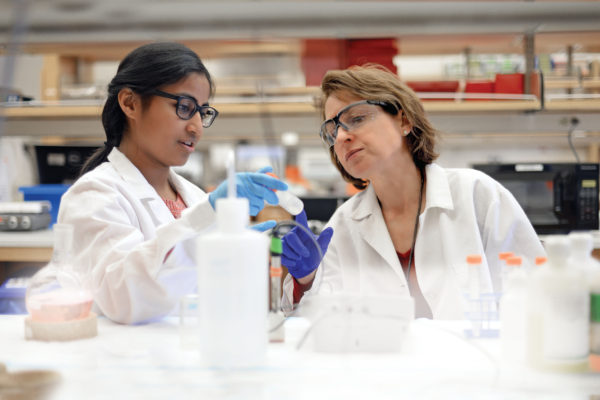
Back to health
Biomedical engineer Lori Setton’s collaborative research is pioneering new ways of providing relief to those who suffer neck and back pain.

Nanoparticles present sustainable way to grow food crops
Engineers at Washington University in St. Louis are using nanoparticle technology in an effort to meet the ever-increasing demand for food. Their innovative technique boosts the growth of a protein-rich bean by improving the way it absorbs nutrients, while reducing the need for fertilizer.
Older Stories