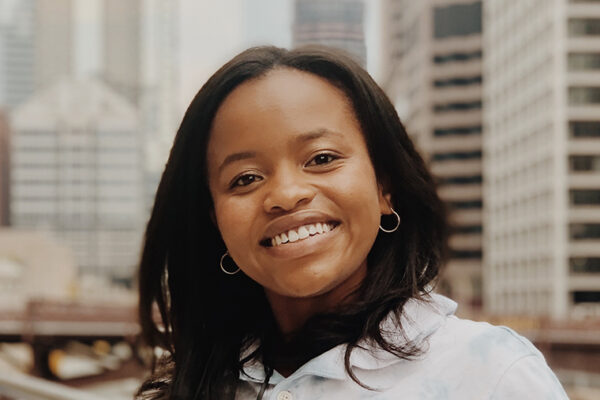
Student featured on BBC climate special
Dakotah Jennifer, a senior majoring in English in Arts & Sciences, and a Danforth Scholar, was featured on the BBC’s “Global Climate Debate” news special, featuring leaders gathered in Glasgow, Scotland, for the United Nations’ recent COP26 climate change meeting.
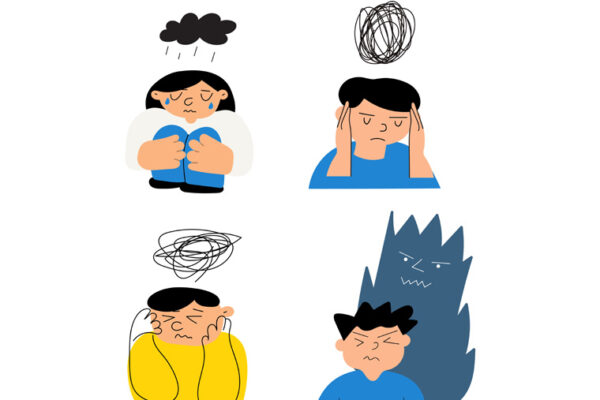
Persistent, distressing psychotic-like experiences associated with impairment in youth
Research from the lab of Deanna Barch shows that youth who indicate they have persistent, distressing psychotic-like episodes show impairment in a variety of areas.
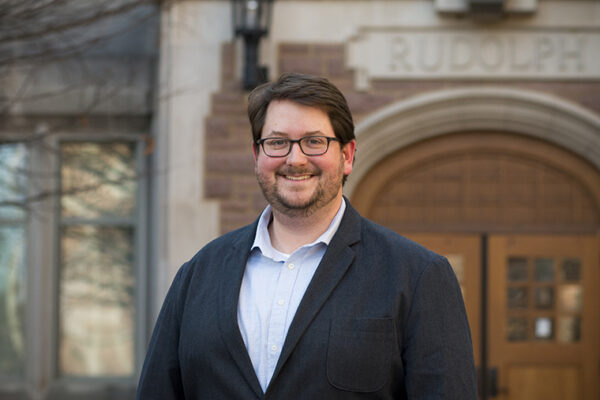
Krawczynski receives NSF grant
Michael J. Krawczynski in Arts & Sciences received a three-year $178,445 grant from the National Science Foundation for a collaborative petrology and geochemistry research project.
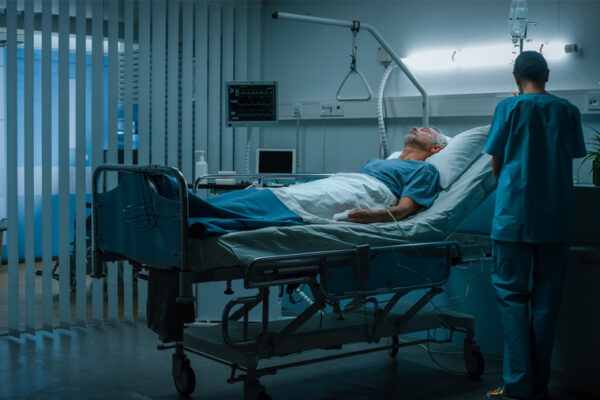
Early warning system model predicts cancer patients’ deterioration
A multidisciplinary team of researchers at Washington University is developing a machine-learning-based early warning system to predict cancer patients’ deterioration and improve patient outcomes.
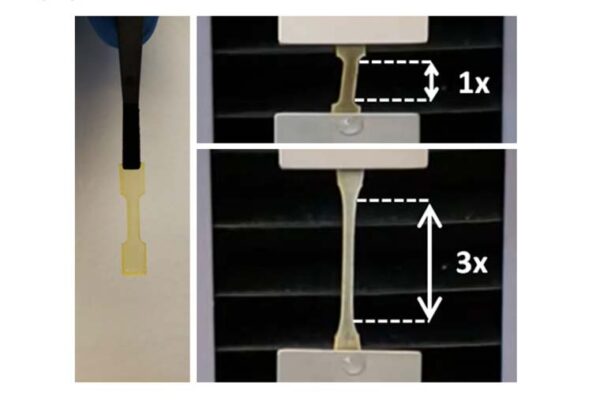
Synthetic biology yields easy-to-use underwater adhesives
The lab of Fuzhong Zhang at the McKelvey School of Engineering has used synthetic biology to bring together the best of spider silk and mussel foot protein in a biocompatible adhesive.
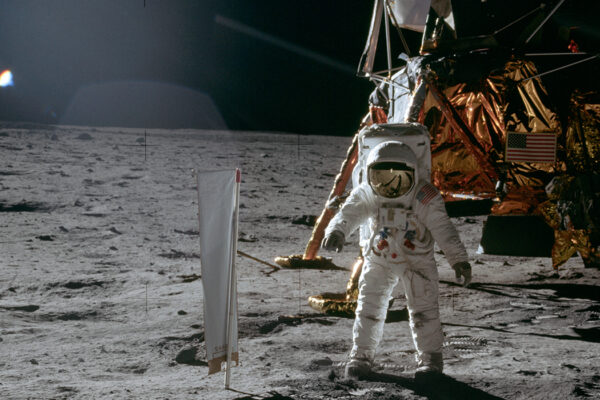
McDonnell Center lecture on sampling the solar system
Kevin D. McKeegan, a scientist whose analyses of meteorites and other extraterrestrial materials from space has improved understanding of the processes and chronology of the early solar system, will deliver a free public talk in November as part of the Robert M. Walker Distinguished Lecture, sponsored by the McDonnell Center for the Space Sciences.
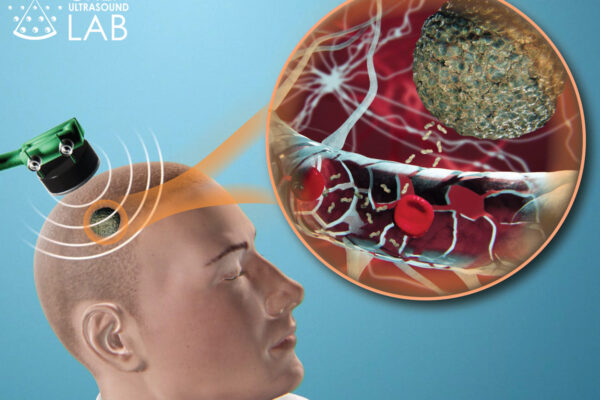
Noninvasive brain biopsy shows improved sensitivity in tumor detection
A team of researchers led by Hong Chen has developed a noninvasive diagnostic method that may one day replace tissue biopsies with a simple blood test.
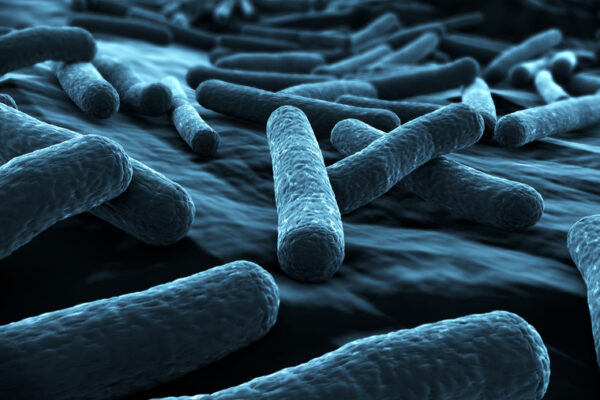
Building bacteria to keep us well
Tae Seok Moon, associate professor at the McKelvey School of Engineering, has engineered bacteria that can detect specific molecules in the gut.
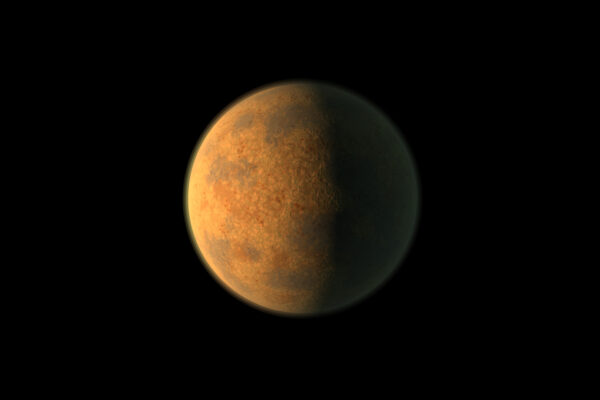
Tread lightly: ‘Eggshell planets’ possible around other stars
Strange ‘eggshell planets’ are among the rich variety of exoplanets possible, according to a study from Washington University in St. Louis. These rocky worlds have an ultra-thin outer brittle layer and little to no topography. Such worlds are unlikely to have plate tectonics, raising questions as to their habitability. The research led by planetary geologist Paul Byrne in Arts & Sciences offers concrete ways that other scientists could identify such eggshell planets.
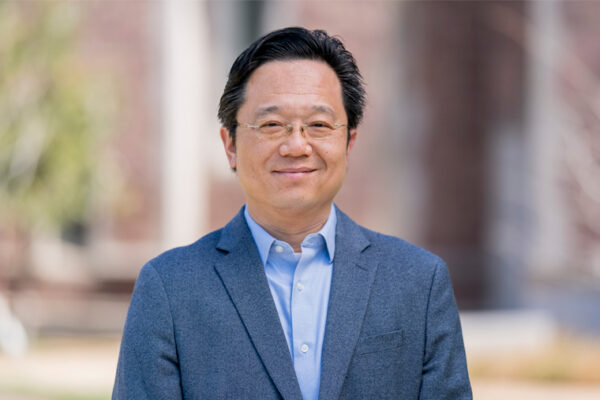
Building bridges with computer science
Computer scientist Chenyang Lu at the McKelvey School of Engineering has been building bridges with doctors to improve patients’ health outcomes using engineering.
Older Stories