
Analyzing characteristics of fine particles in the air from space
With a $1 million grant from NASA, the McKelvey School of Engineering’s Randall Martin is combining satellite data with measurements on the ground to better understand the pollution that makes us ill.
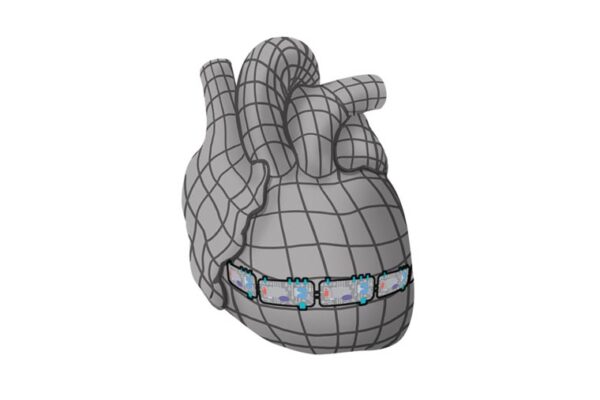
New model of irregular heartbeat could boost drug efficacy
Jonathan Silva, a biomedical engineer in the McKelvey School of Engineering at Washington University in St. Louis, has developed the first computational model that shows the molecular groundwork of a popular drug’s effectiveness in a variety of ways.
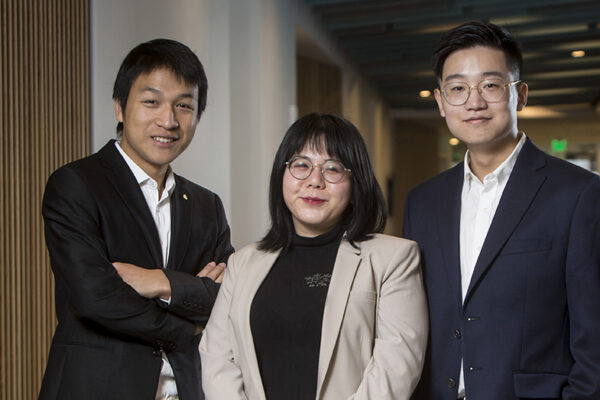
New student cohort welcomed to campus
The McKelvey School of Engineering at Washington University in St. Louis recently welcomed the first cohort of students funded by a prestigious new grant from the China Scholarship Council. The three-year renewable program will enable up to six doctoral students per year to pursue research on projects in the areas of life sciences, energy and informatics involving collaborations between Washington University’s McKelvey School of Engineering and Xi’an Jiaotong University.
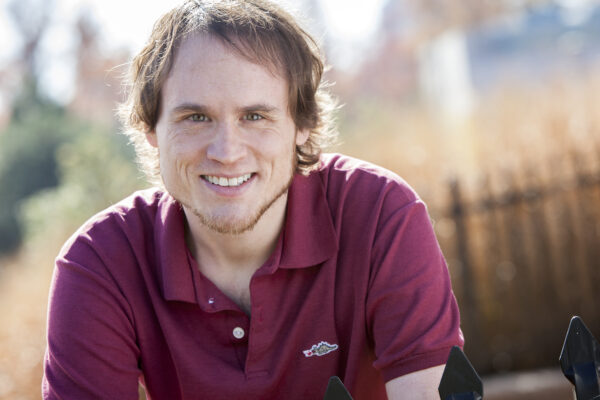
Looking for the best from humans and machines to create new materials
A multi-institutional effort that includes the McKelvey School of Engineering at Washington University in St. Louis will bring man and machine together in an effort to accelerate the process of discovery of new materials.
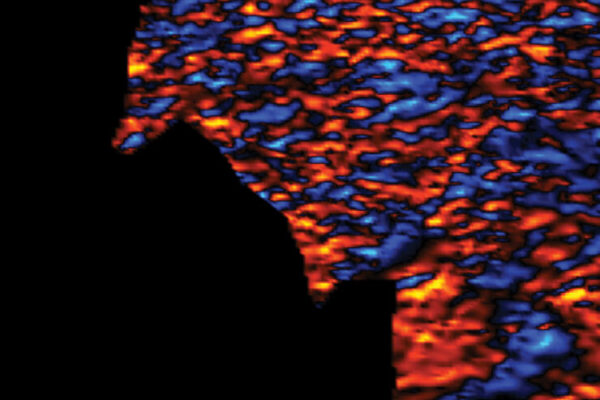
The importance of collagen fibers in health
Engineers from the McKelvey School of Engineering at Washington University have shown that the length of collagen fibers has a role to play in the ability of normal cells to become invasive.
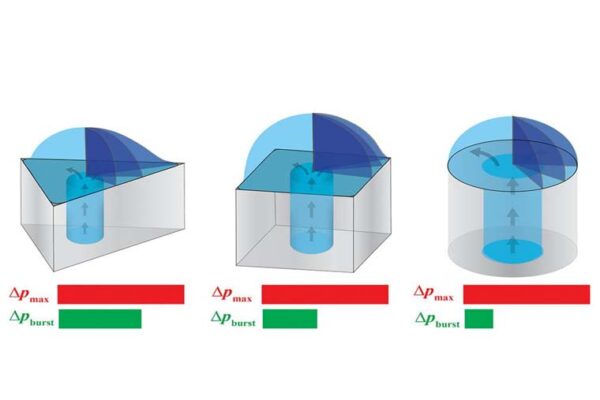
Shape affects performance of micropillars in heat transfer
A Washington University in St. Louis researcher has shown for the first time that the shape of a nanostructure has an effect on its ability to retain water. This has important ramifications for heat transfer, which is important when it comes to performance in small electronics.
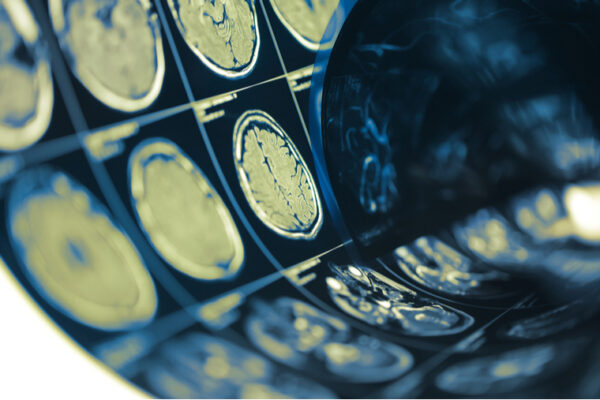
Multi-institutional team to study effects of age, gender on brain injury mechanics
A team of researchers, led by Philip V. Bayly in the McKelvey School of Engineering at Washington University in St. Louis, plans to use MRI to study the brains of healthy, uninjured individuals to create models of brain motion to enable the researchers to predict the chronic effects of repeated head impacts in both men and women.
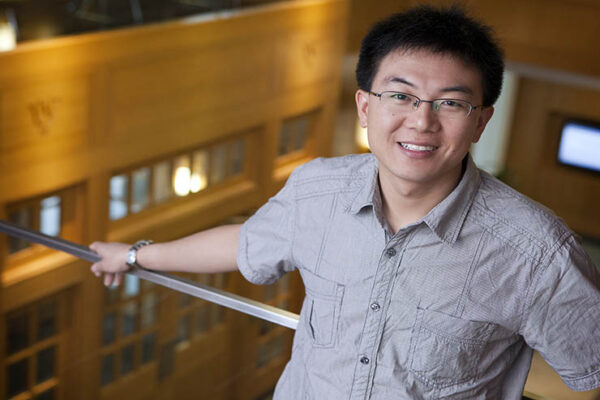
Zhang wins $2 million NIH grant to study metabolite heterogeneity in bacteria
Fuzhong Zhang, an expert in synthetic biology at the McKelvey School of Engineering, is investigating how genetically identical cells manage to act so differently. The answer may have implications for antibiotic persistence.
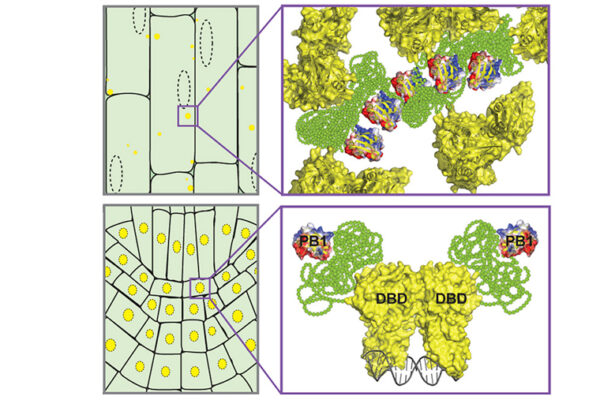
Sticky proteins help plants know when — and where — to grow
When it comes to plant growth and development, one hormone is responsible for it all: auxin. New Washington University in St. Louis research has uncovered a mechanism by which it can affect a plant in a myriad of ways.

International collaboration leads to cellular mechanobiology discovery
Shumeng Jiang, a doctoral student in mechanical engineering in the McKelvey School of Engineering at Washington University in St. Louis, was part of a team that uncovered previously unknown cell behaviors.
Older Stories