
Moon develops targeted, reliable, long-lasting kill switch
Tae Seok Moon at the McKelvey School of Engineering has taken a big step forward in his quest to design a modular, genetically engineered kill switch that integrates into any genetically engineered microbe, causing it to self-destruct under certain defined conditions.

Shah wins Brooke Owens Fellowship
Engineering senior Vaishali Shah has been awarded the prestigious Brooke Owens Fellowship, which supports those interested in a career in the aerospace industry.
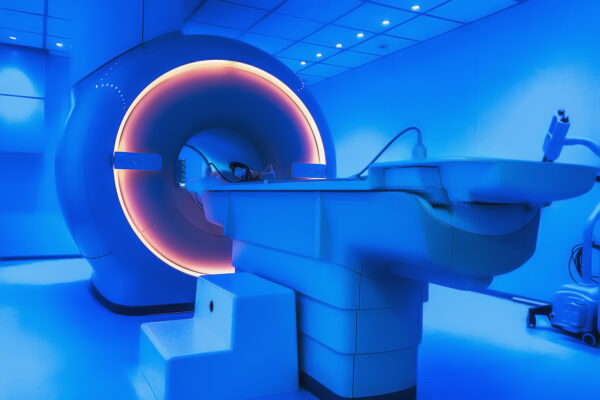
MRI machines work, but why?
Research from the lab of Ulugbek Kamilov at the McKelvey School of Engineering begins to unravel the inner workings of deep learning algorithms used in imaging.

Martin wins NASA grant for air quality research
Randall Martin, at the McKelvey School of Engineering, was awarded a three-year NASA grant to analyze fine particulate matter data, work that will help in air quality management.
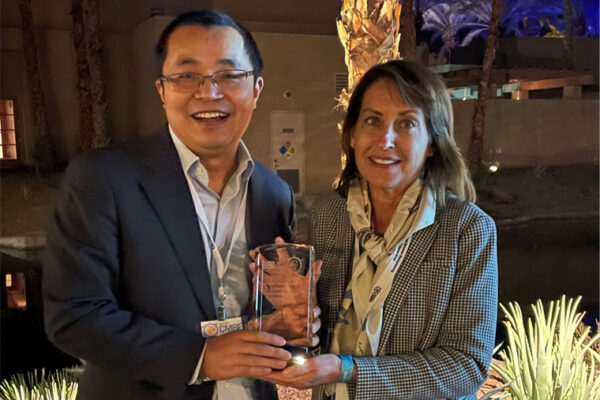
Setton receives 2022 BMES Christopher Jacobs Award
Lori Setton at the McKelvey School of Engineering was recognized by the Biomedical Engineering Society for excellence in leadership and service to the cell and molecular bioengineering community.

Chakrabartty named vice dean for research in engineering
Shantanu Chakrabartty has been named vice dean for research and graduate education at the McKelvey School of Engineering at Washington University in St. Louis.
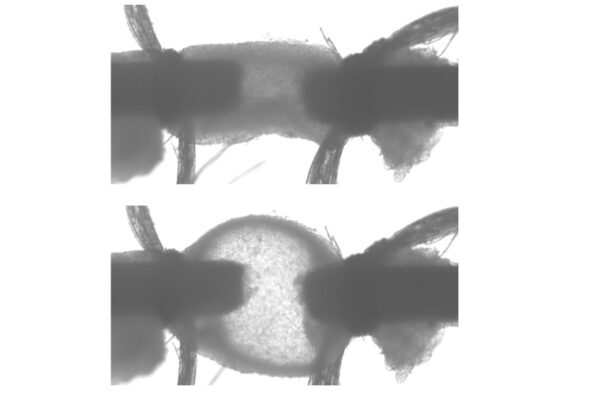
Starting at the beginning
Using a mouse model, researchers in the lab of Jessica Wagenseil have modeled the behavior of the aorta to understand how it develops and how it responds to mechanical stressors.
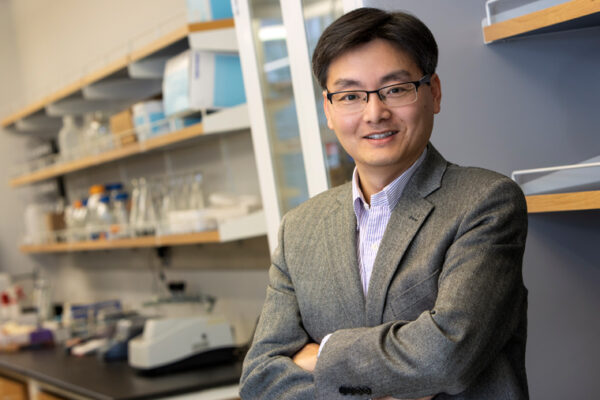
He named editor of Journal of Hazardous Materials
Zhen (Jason) He has been named editor in chief of the Journal of Hazardous Materials, which focuses on the health and environmental risks that some materials pose.

Lockdown drove pollution changes between – even within – cities
For the first time, researchers can infer levels of nitrogen dioxide on scales as small as a square kilometer thanks to a new method developed in the lab of Randall Martin.

Engineering, medical schools partner for women’s health tech initiative
Researchers at the McKelvey School of Engineering and the School of Medicine at Washington University are launching the Women’s Health Technologies Initiative, which will focus on innovative therapies supporting female reproductive health.
Older Stories