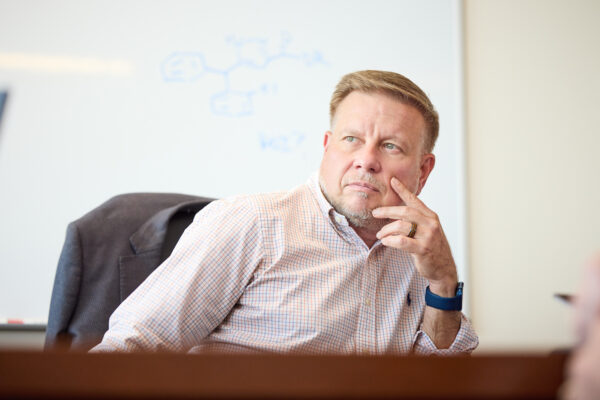
Doug Frantz
As WashU’s vice chancellor for innovation and commercialization, Doug Frantz helps speed scientific discoveries into real-world therapies and devices. He works to develop strategic partnerships with industry and enhance WashU’s commercialization efforts.

Gulur named head of anesthesiology
Padma Gulur, MD, a physician-scientist and nationally recognized leader in pain management, has been named the head of the Department of Anesthesiology and the inaugural Alex S. Evers MD Distinguished Professor in Anesthesiology at WashU Medicine. Her appointment begins Aug. 1.

Specific brain signals rapidly eliminate body fat in mice
A study by researchers at WashU Medicine reveals how the body reprograms stable fat cells to eliminate stubborn fat reserves.
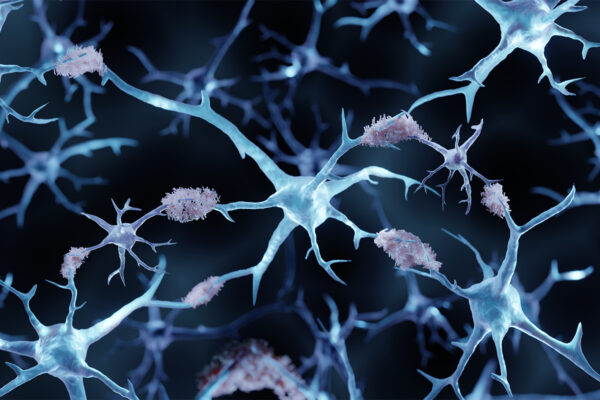
Engineered immune cells help reduce toxic proteins in the brain
Researchers at WashU Medicine and Weizmann Institute of Science designed a CAR-T cell therapy that reduced amyloid beta plaques in the brains of mice, pointing to a promising new approach for Alzheimer’s disease.

Guaranteed income improves food security for Black households in Georgia, study finds
Guaranteed income programs may reduce food insecurity and improve nutrition among low-income Black households in Georgia, according to a new study led by the Brown School at Washington University in St. Louis.
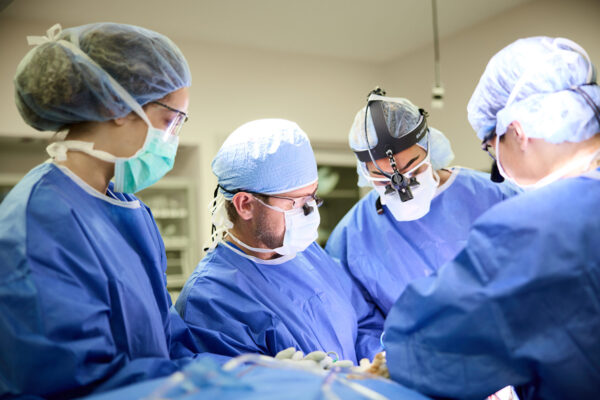
Method spots early signs of infection after breast cancer reconstruction
A new tool developed by WashU Medicine researchers could allow for preemptive treatment of implant-related infections that improves outcomes and reduces patients’ emotional and financial burden.
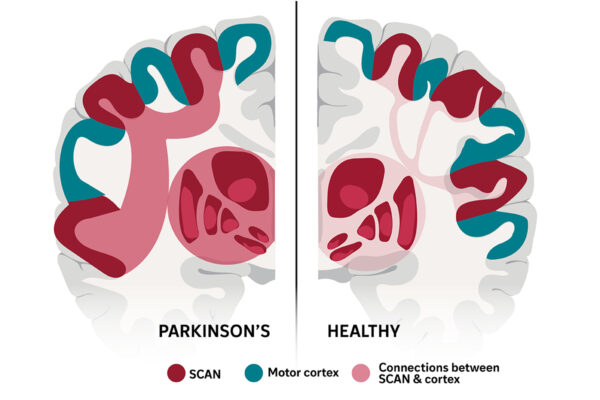
Brain network responsible for Parkinson’s disease identified
A brain network first identified by WashU Medicine researchers, called SCAN, is shown in a new study to be the neurological basis for Parkinson’s disease. Patients receiving treatments targeted to this brain region, rather than to surrounding areas, experienced greater improvements in symptoms.

Closing the research-practice gap
WashU researchers urge institutions to reward implementation science that demonstrates benefit, improves health, reduces inequities and justifies research investment.
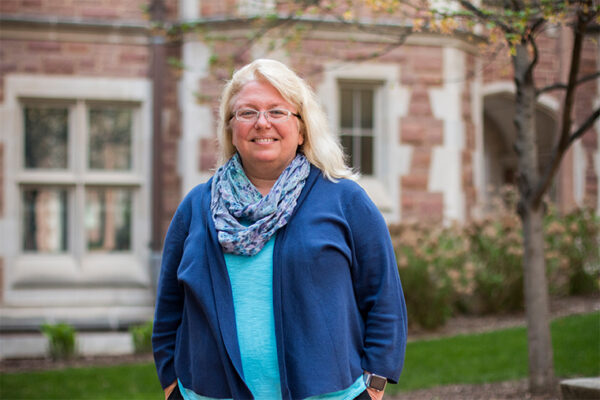
Barch wins major national psychology prize
WashU psychology researcher Deanna Barch has won the Atkinson Prize in Psychological and Cognitive Sciences from the National Academy of Sciences, one of the most prestigious honors in psychology.

MIND program accepting proposals
The program in Microbial, Immunologic and Neurologic Disorders is accepting joint proposals from researchers at WashU Medicine and the Weizmann Institute of Science to execute collaborative research projects. Submissions are due March 31.
Older Stories