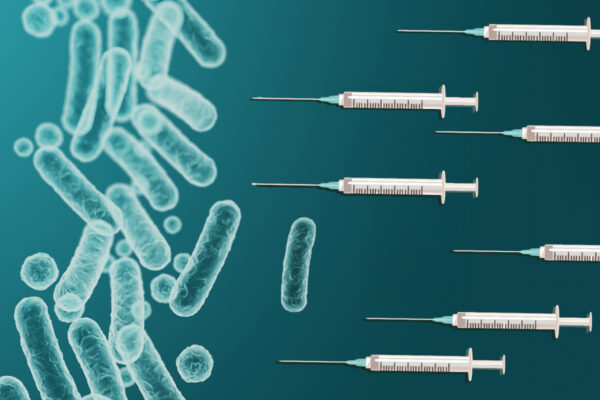
Vaccinating moms protects offspring from deadly superbug
A study in mice by WashU Medicine researchers advances efforts to shield infants from Klebsiella pneumoniae, a dangerous bacterium that causes severe bloodstream infections and is the leading killer of children globally.
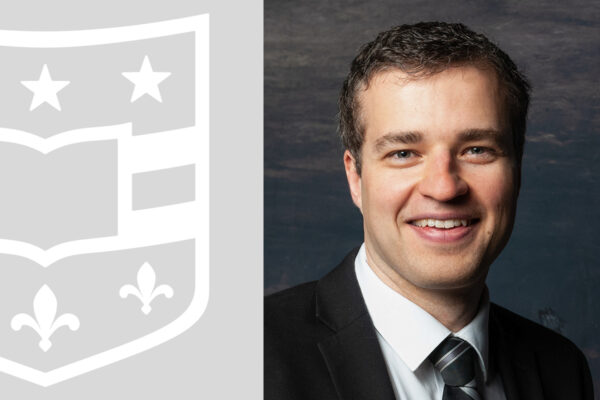
Kubanek receives One Mind Rising Star Award
WashU Medicine psychiatry researcher Jan Kubanek was recognized with the One Mind Rising Star Award for his work on applying ultrasound to map and modulate brain circuits involved in depression.
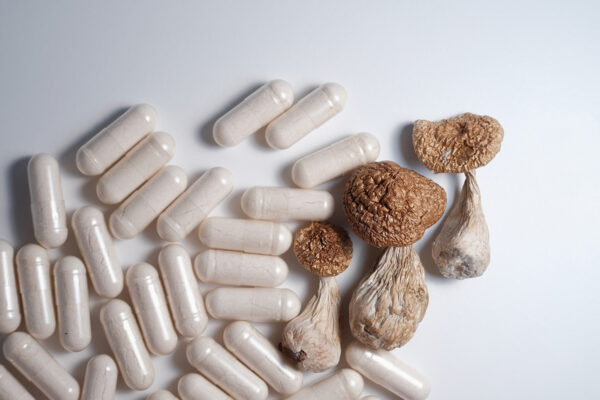
Psilocybin providers follow safety guidelines, study finds
A “mystery shopper” study by WashU researchers found that licensed psilocybin centers in Oregon — the first U.S. state to legalize regulated, supervised use of the psychedelic drug — consistently followed recommended client-screening practices. But the cost of treatment may keep it out of reach for many.
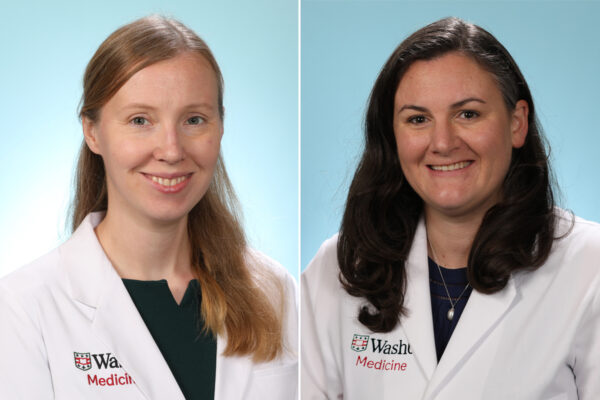
New research shows promise for treating hepatitis C in pregnancy
A study led by Laura Marks, MD, and Madeline McCrary, MD, of WashU Medicine, shows that an oral antiviral regimen can be used safely and effectively in pregnant patients with hepatitis C virus.
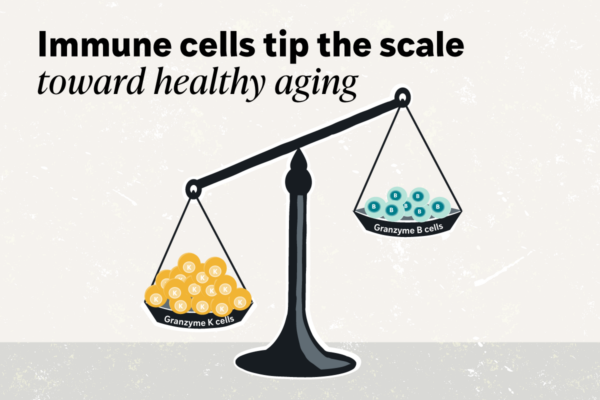
Immune cell map uncovers how individual aging trajectories diverge
WashU Medicine researchers have discovered that the ratio between two types of white blood cells can predict whether a person stays healthy as they age or faces an increased risk of disease.

WashU Medicine PT clinic opens in Sunset Hills
A state-of-the-art facility expands community access to physical therapy services from orthopedic surgery recovery to golf swing mechanics.
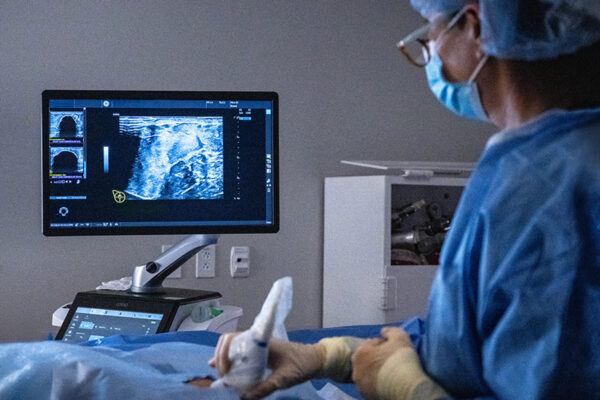
Freezing out tumors
A WashU Medicine radiologist is on a mission to expand a minimally invasive procedure called cryoablation as a safe option for patients.
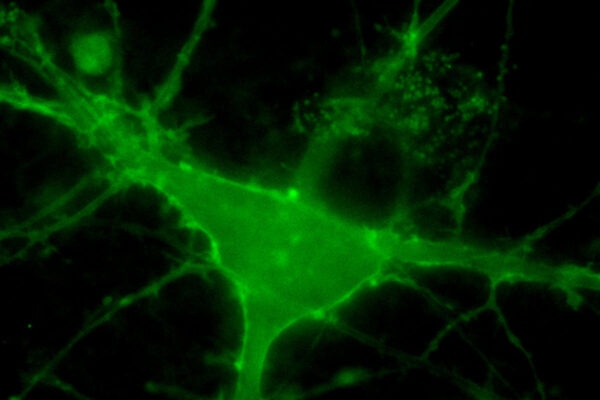
Brain cells regulate cholesterol to control neuron signaling
WashU Medicine researchers show in a new study that brain cells called astrocytes modulate the supply of cholesterol in the brain to help neurons communicate.

‘It’s up to us to be advocates, healers, make connections’
First-year WashU Medicine MD and MD/PhD students received their white coats at a ceremony Oct. 2. Other ceremonies recognized incoming students studying physical therapy, occupational therapy and audiology.
Promising target identified against chronic blood cancer
WashU Medicine researchers have identified a promising approach to treat
myeloproliferative neoplasms, a group of chronic blood cancers, by interfering with a protein that drives inflammation.
Older Stories