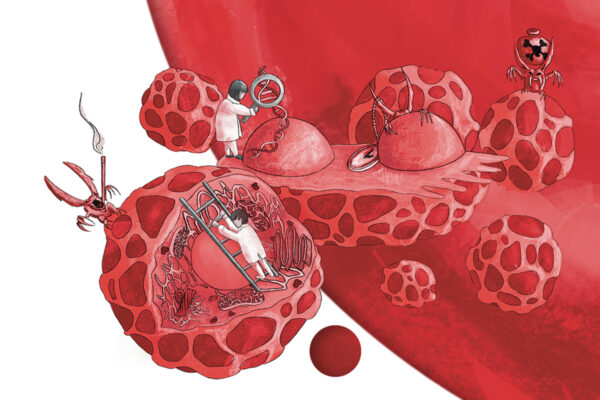
Genetic study suggests ways to catch blood cancer earlier
In a new study, WashU Medicine researchers shed light on how newly acquired mutations in blood stem cells interact with mutations passed down by parents to influence a person’s lifetime risk of developing blood cancer. The findings could inform early detection and prevention strategies.
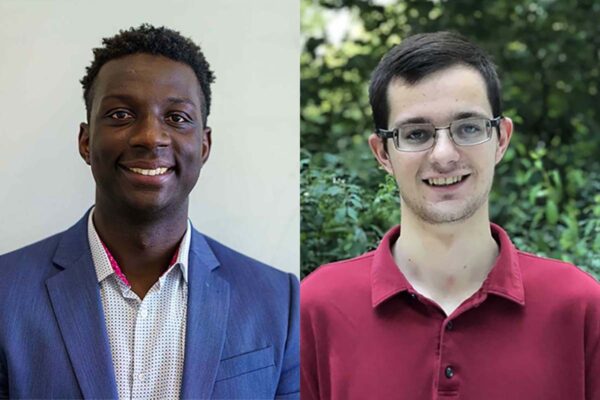
Saintilnord, Reynolds named exceptional early-career research fellows
WashU Medicine postdoctoral researchers Wesley Saintilnord and Matthew Reynolds have been named Jane Coffin Childs Fellows. The fellowship is designed to support the most promising postdoctoral scientists as they seek to advance research into the causes and treatments of human disease.
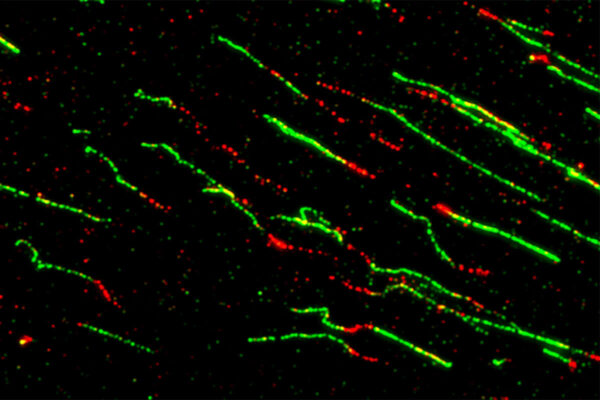
How breast cancer drugs exploit genomic fractures in tumors
A new study from WashU Medicine researchers identifies possible ways to make cancer drugs called PARP inhibitors more effective, including potential strategies to re-establish their effectiveness in tumors that develop resistance to this treatment.
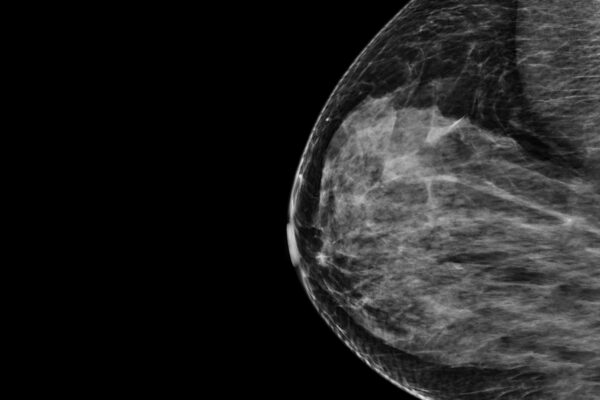
AI-based breast cancer risk technology receives FDA Breakthrough Device designation
AI-based technology developed at WashU Medicine that improves breast cancer risk prediction has received Breakthrough Device designation from the Food and Drug Administration.
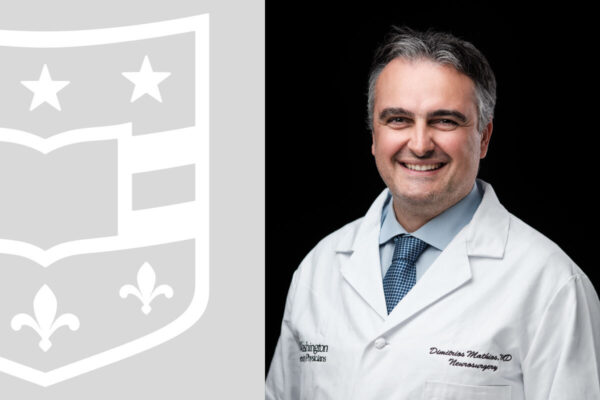
Machine learning can improve detection of brain cancer from blood
WashU Medicine neurosurgeon Dimitrios Mathios, MD, has developed a liquid biopsy that is aided by machine-learning tools to improve the detection of brain cancers.

Innovative immunotherapy shows promise against aggressive T cell cancers
An international clinical trial led by WashU Medicine researchers shows an innovative CAR-T cell immunotherapy is promising against aggressive T cell cancers and has manageable side effects.
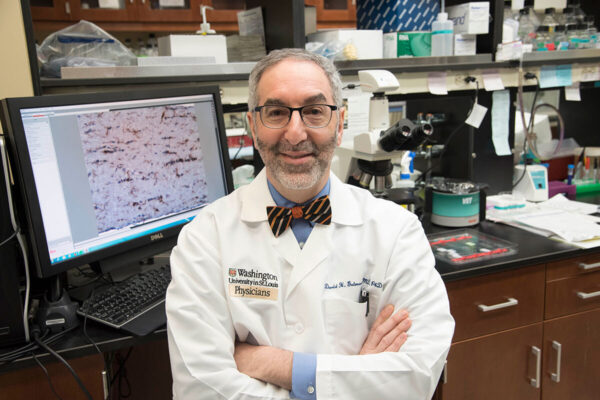
Understanding genetic factors behind a pediatric brain tumor
Researchers at WashU Medicine conducted a study to understand the genetic factors behind a pediatric brain tumor. Their findings could lead to new targeted therapies.

Study examines overlap in causes of cancer, neurodevelopmental disorders
A new analysis, led by WashU Medicine researchers and published in Cell Genomics, examines how certain proteins in human cells are implicated in both cancer and neurodevelopmental disorders, but behave differently, complicating potential interventions.
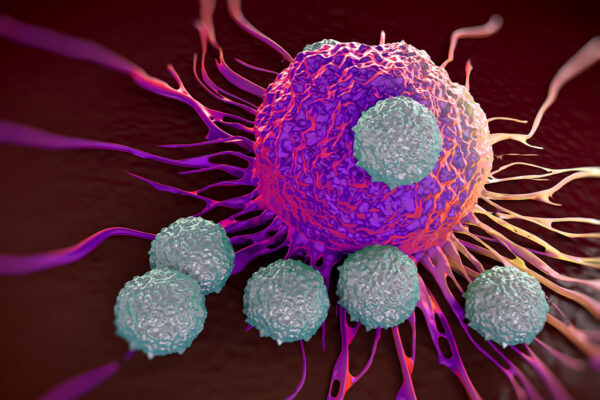
Immunotherapy improves survival of patients with locally advanced head and neck cancer
An international clinical trial co-led by WashU Medicine found that the immunotherapy drug pembrolizumab added to standard-of-care therapy improved survival for patients with locally advanced head and neck cancer. Pembrolizumab helps the patient’s own immune cells attack and kill tumor cells.
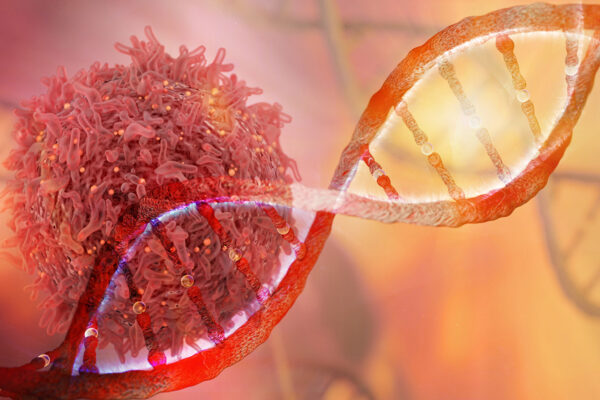
Study sheds light on how inherited cancer mutations drive tumor growth
A new study led by WashU Medicine researchers takes a deep dive into inherited genetic mutations. The findings have implications for determining an individual’s inherited cancer risk and informing potential new strategies for prevention, early detection and treatment.
Older Stories