
Credit counseling can lead to significant reduction in consumer debt
Consumers who take advantage of nonprofit credit counseling services have statistically significant reductions in consumer debt, finds a new study from the Brown School at Washington University in St. Louis.

Gender equality, health improve through paid leave, tuition-free school
Policy approaches such as tuition-free primary education and paid parental leave both transform norms and improve health for women and their children, finds a new study co-authored by Jessica Levy, associate professor of practice at the Brown School at Washington University in St. Louis.
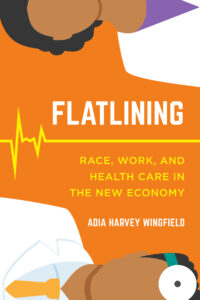
Flatlining
Race, Work, and Health Care in the New Economy
African American health care workers are there for a reason. A new book by a Washington University in St. Louis social scientist shows how hospitals, clinics and other institutions participate in “racial outsourcing,” relying heavily on black doctors, nurses, technicians and physician assistants to do “equity work” — extra labor that makes organizations and their services […]
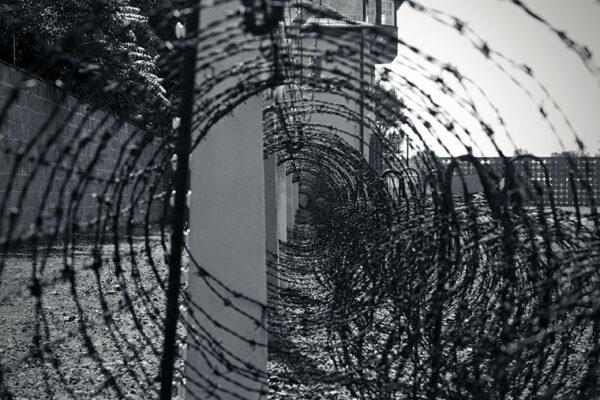
WashU Expert: Defining ‘concentration camps’
When Rep. Alexandria Ocasio-Cortez (D-N.Y.) accused the Trump administration of “running concentration camps on our southern border,” a political firestorm erupted. But a question remained. Was the comparison justified? Arts & Sciences historian Anika Walke, a scholar of the Holocaust, offers perspective.
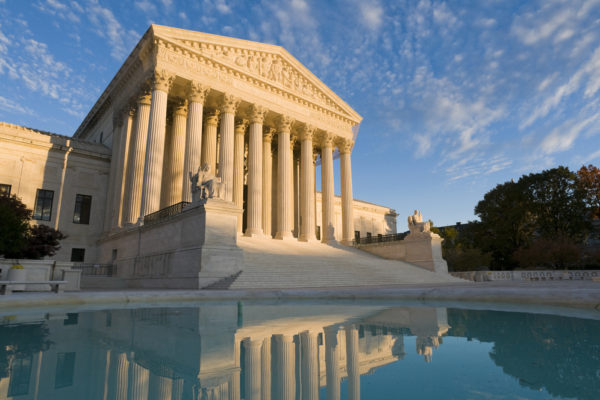
WashU Expert: SCOTUS gerrymandering decision loss for democratic process
The Supreme Court’s June 27 decision to kill all federal constitutional complaints about partisan gerrymandering is a tremendous loss for our democratic process, says a constitutional law expert at Washington University in St. Louis.
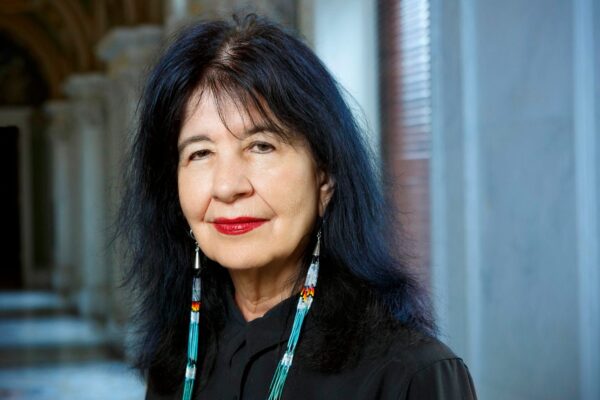
WashU Expert: First Native American U.S. poet laureate will inspire the nation
Joy Harjo, a member of the Muscogee Creek Nation, has been selected as the 23rd U.S. poet laureate, a move that will inspire Native Americans throughout the country, says Kellie Thompson, director of the Kathryn M. Buder Center for American Indian Studies at Washington University in St. Louis.
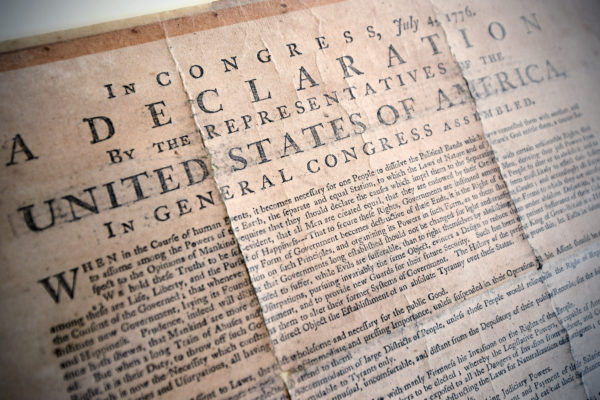
What happened on July 4, 1776? Maybe not what you think
On that historic day 243 years ago, the Continental Congress adopted the Declaration of Independence. But it would be weeks before the Founding Fathers would actually sign the handwritten document now housed in the National Archives in Washington, D.C. In the meantime, official broadsides — one of which is showcased at Washington University in St. Louis — were printed and posted on the doors of courthouses across the nation.
WashU Expert: We must address suicide in gun violence in America
In the United States, almost 50,000 people die every year from suicide. While participating in a June 13 briefing on Capitol Hill in Washington, D.C., a Washington University in St. Louis expert testified that — amid the need nationally to stem violence in schools and elsewhere — suicide remains preventable.

Emotional violence in childhood, adolescence associated with suicidal thoughts
Early exposure to emotional violence “significantly” increases the chances that youths will contemplate suicide, according to new research from three countries conducted by the Brown School at Washington University in St. Louis.
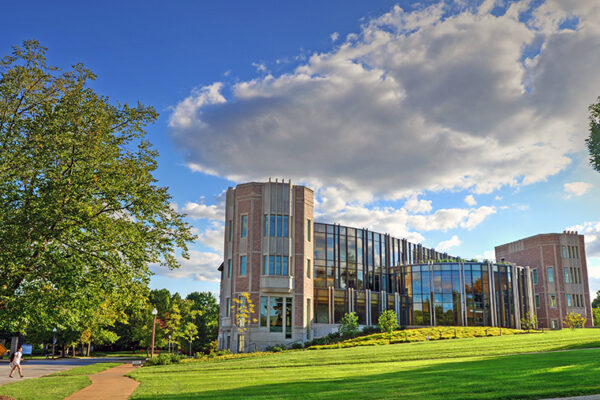
New consumer protection director to speak June 12
Kathy Kraninger, who was named director of the Consumer Financial Protection Bureau (CFPB) six months ago, will talk about the bureau’s new directions and initiatives in savings policy at 4 p.m. Wednesday, June 12, in Hillman Hall’s Clark-Fox Forum.
Older Stories