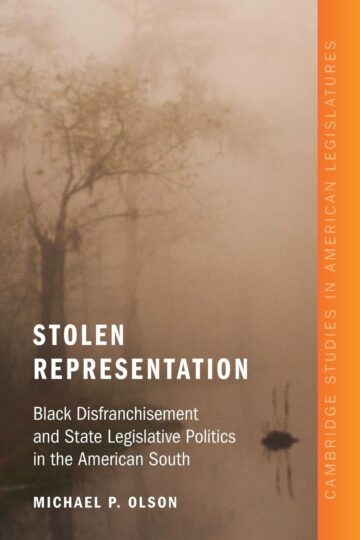
In the decades after Reconstruction, African Americans were systematically removed from the electorate in the American South using tools such as poll taxes and literacy tests. “Stolen Representation” draws on significant amounts of new historical data to explore how these tools of Black disfranchisement shaped state legislative politics in the American South.
The book draws on contemporary scholarship to develop theoretical arguments for how disfranchisement plausibly affected roll-call voting, committee assignments, and policymaking activity in southern state legislatures, and uses rich data on each of these areas to demonstrate disfranchisement’s profound effects. By analyzing state legislative data and drawing on historical sources to help characterize the nature of politics in each state in the period around disfranchisement, Olson offers a nuanced, context-driven exploration of disfranchisement’s effects, making a major contribution to our understanding of the relationship between racial discrimination at the ballot box and public policymaking in the United States.
Reviews
“Scholars have long understood that Jim Crow robbed Black Americans of the vote, but only with Michael Olson’s ‘Stolen Representation’ have the costs to legislative activity and lawmaking become systematically clear.”
— Daniel Carpenter, Harvard University
“Michael Olson’s ‘Stolen Representation’ will transform our understanding of the several decades between the end of Reconstruction and the legal disenfranchisement of African American men in the U.S. South.”
— David A. Bateman, Cornell University
“In an important data-rich new book, Michael Olson unpacks how the ways in which African American representation was undermined depended on the political economic context of each state. The book has much to say over our current debates about democracy and representation.”
— Nolan McCarty, Princeton University
About the author
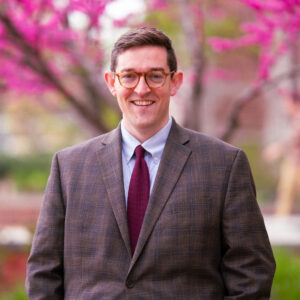
Michael Olson is an assistant professor in the Department of Political Science in Arts & Sciences at Washington University in St. Louis. His research and teaching focus on how electoral and legislative institutions affect legislative representation in the United States, and his work draws on a wide variety of data from across American history and different levels of government. His work has been published in the Journal of Politics, Quarterly Journal of Political Science, and Political Behavior, among other outlets.