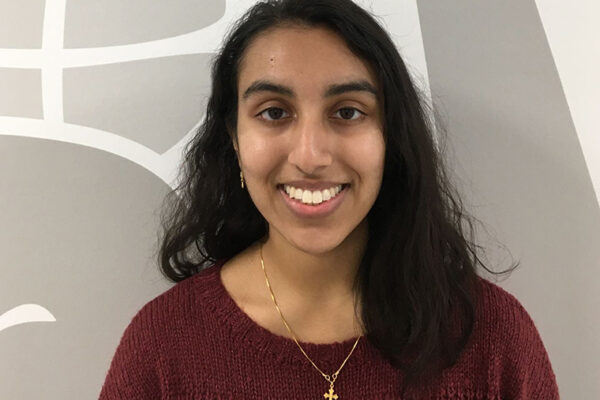
Undergraduate Antony wins neuroscience award
Irene Antony, a neuroscience major in Arts & Sciences at Washington University in St. Louis, won the Trainee Professional Development Award from the Society for Neuroscience.
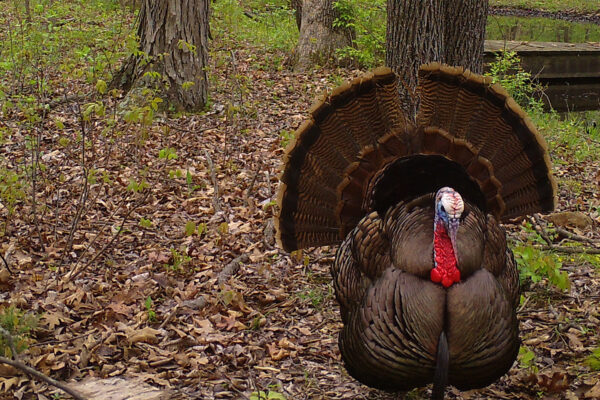
Wild turkeys among us
Trail cameras have captured 567 pictures of local turkeys as part of the St. Louis Wildlife Project, an effort led by scientists at Tyson Research Center and the University of Health Sciences and Pharmacy in St. Louis.
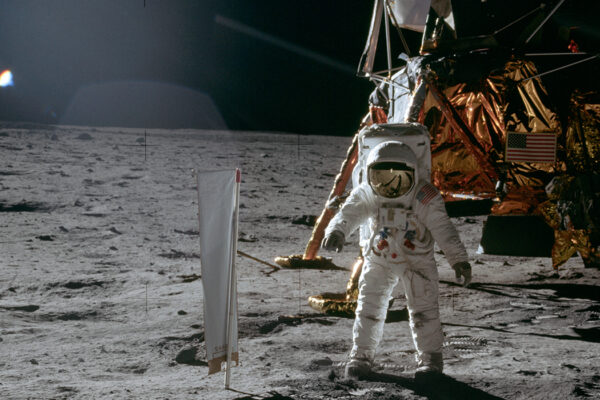
McDonnell Center lecture on sampling the solar system
Kevin D. McKeegan, a scientist whose analyses of meteorites and other extraterrestrial materials from space has improved understanding of the processes and chronology of the early solar system, will deliver a free public talk in November as part of the Robert M. Walker Distinguished Lecture, sponsored by the McDonnell Center for the Space Sciences.
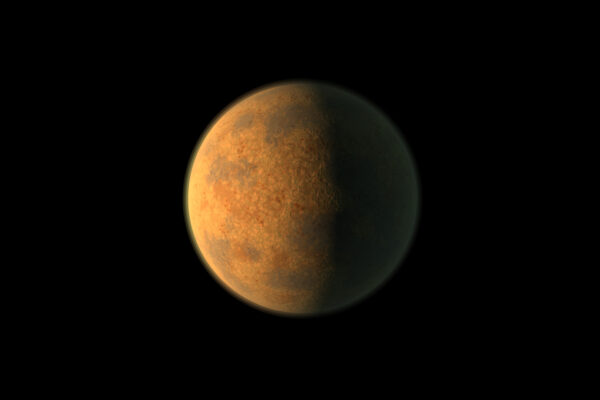
Tread lightly: ‘Eggshell planets’ possible around other stars
Strange ‘eggshell planets’ are among the rich variety of exoplanets possible, according to a study from Washington University in St. Louis. These rocky worlds have an ultra-thin outer brittle layer and little to no topography. Such worlds are unlikely to have plate tectonics, raising questions as to their habitability. The research led by planetary geologist Paul Byrne in Arts & Sciences offers concrete ways that other scientists could identify such eggshell planets.
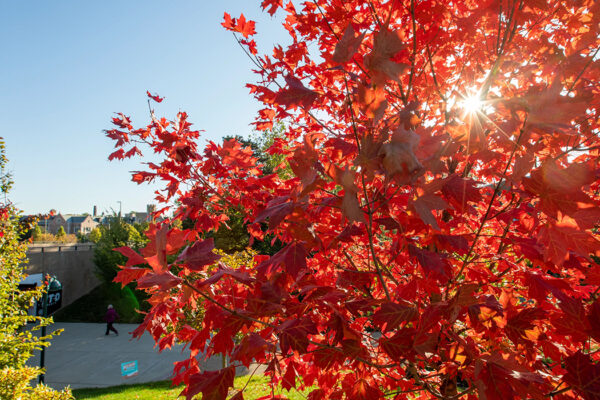
Why is the North American fall so red, compared with Europe?
Each fall, the leaves of almost half of North America’s species of trees and shrubs turn red. Biologist Susanne S. Renner at Washington University in St. Louis helps explain why the North American fall is so red, compared with Europe, and also what changes to fall foliage we can expect under climate change.

Using microbes to make carbon-neutral fuel
A team led by biologist Arpita Bose in Arts & Sciences modified a microbe so that it can produce a biofuel using only carbon dioxide, solar panel-generated electricity and light.
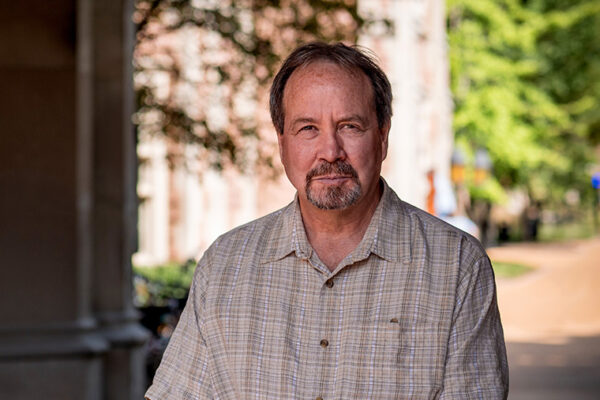
Stone receives grant to study perceptions of CRISPR in food production
Glenn Davis Stone, professor of sociocultural anthropology and of environmental studies in Arts & Sciences, is part of an international team of researchers funded by the European Union to study CRISPR in agriculture and food production. Stone is co-leader of the perceptions part of the study.
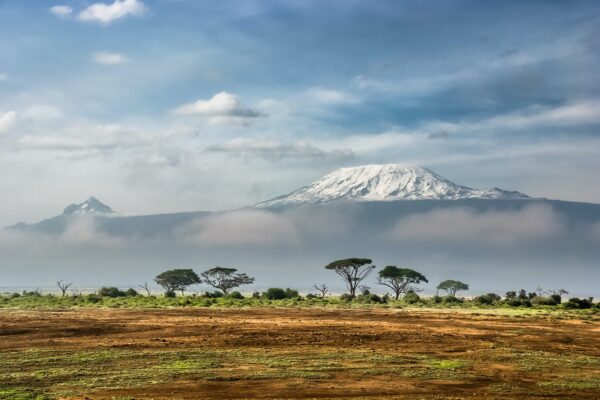
New database highlights underrepresented scholars of African archaeology
Helina Woldekiros, assistant professor of archaeology in Arts & Sciences, helped launch a database that aims to make undercited work more accessible to scholars, students and the public.

Time to retire daylight saving time
Saying goodbye to daylight saving time, and the summertime memories we associate with it, can be difficult. But experts in biological rhythms, including Erik Herzog in Arts & Sciences, agree that it’s time to let it go.
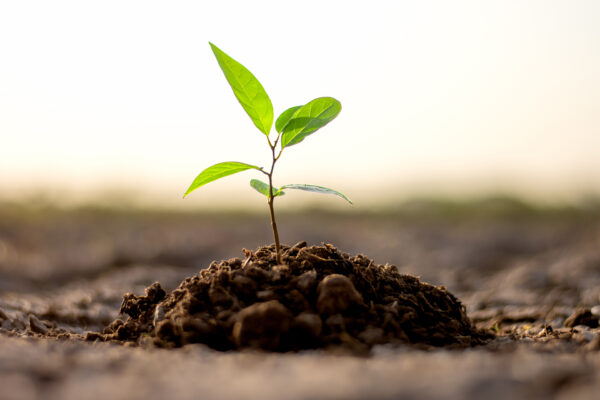
First artificial scaffolds for studying plant cell growth
Ryan Calcutt and Ram Dixit in Arts & Sciences and their collaborators created the first artificial scaffolds that can support the growth of individual plant cells — a discovery that will make it possible to study how forces such as gravity affect the way that plant cells form and grow.
View More Stories