
Chun wins NASA FINESST grant
Sohee Chun, a graduate student in physics in Arts & Sciences, was awarded a Future Investigators in NASA Earth and Space Science Technology grant to optimize the shield inside a crysostat and around a gamma ray detector.
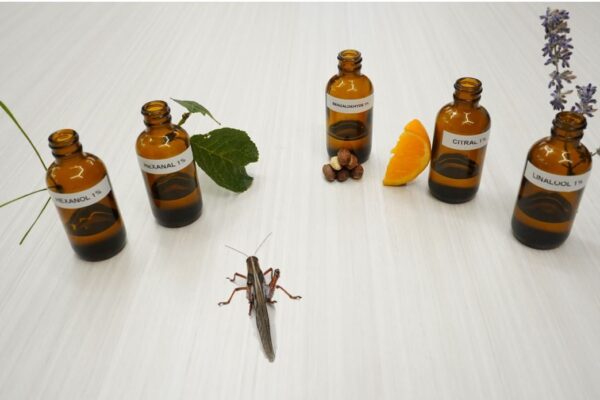
Good smells, bad smells: It’s all in the insect brain
Barani Raman and his lab at the McKelvey School of Engineering studied the behavior of the locusts and how the neurons in their brains responded to appealing and unappealing odors to learn more about how the brain encodes for preferences and how it learns.
Fast ‘yes’ better for brain than slow ‘no’
Research from mechanical engineers Ruth Okamoto and Philip Bayly at the McKelvey School of Engineering finds that the brain’s vulnerability to head motion depends on the direction and frequency, not just impact strength.

Fanning the flames
Research from Rajan Chakrabarty and Rohan Mishra at the McKelvey School of Engineering reveals an unexpected impact of wildfires on climate change.
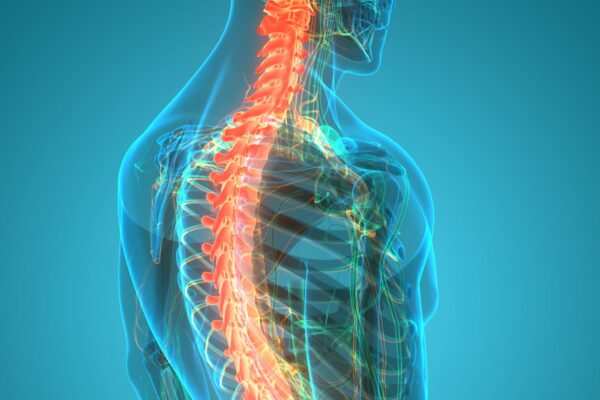
A low-cost potential therapy for spinal cord injuries
Ismael Seáñez at the McKelvey School of Engineering is developing a new method to treat spinal cord injuries that uses a low-tech electrode array that effectively stimulates muscles in the legs in people with spinal cord injuries.

Analyzing generative AI’s copyright crisis
Artificial intelligence tools like ChatGPT and Copilot offer helpful assistance to programmers, but computer scientists at the McKelvey School of Engineering have shown that both open-source and commercial AI platforms frequently generate copyright-infringing content.
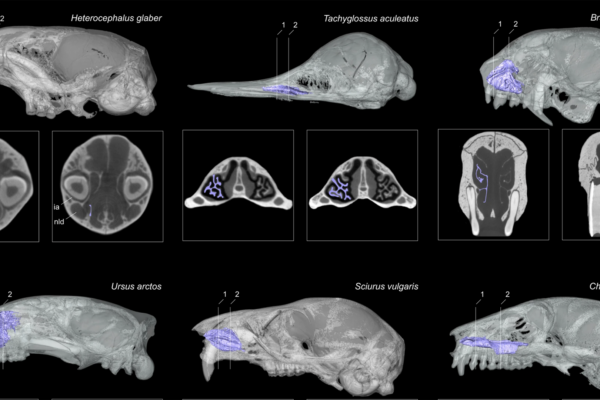
Fossil skulls alone cannot predict if animal was warm blooded
Biologist Stan Braude in Arts & Sciences was part of a team that analyzed CT scans of the heads of more than 300 mammals to determine whether certain structures in the nasal cavity play a pivotal role in body temperature maintenance.
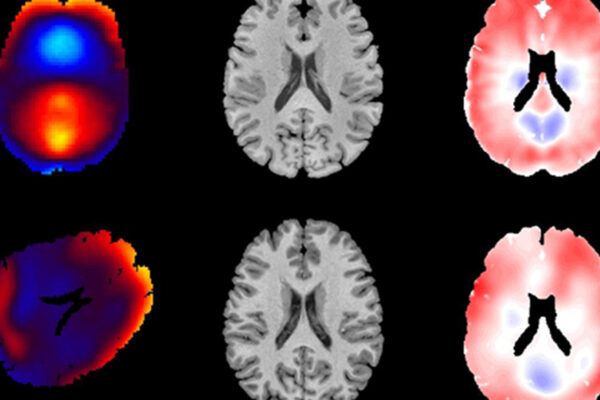
Brain movement measured for clues to prevent, reduce injury
Philip Bayly and Jordan Escarcega at the McKelvey School of Engineering led a multi-institutional team to compare how the human brain deforms in response to movement using two types of magnetic resonance imaging. Such deformations are key to understanding traumatic brain injury but are challenging to study since the brain is hidden inside the skull.

NIH funds study of ultrasound with genetics to treat brain disorders
With support from a $3 million grant from the National Institutes of Health (NIH), a multidisciplinary team led by Hong Chen at the McKelvey School of Engineering seeks to integrate ultrasound with genetics to precisely modify neurons in the brain.
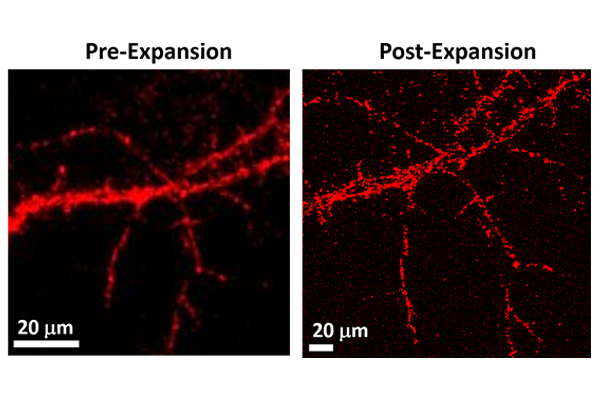
Brighter fluorescent markers allow for finer imaging
Nanoparticles engineered by Washington University in St. Louis researchers help provide a clearer picture of brain cell structure.
View More Stories