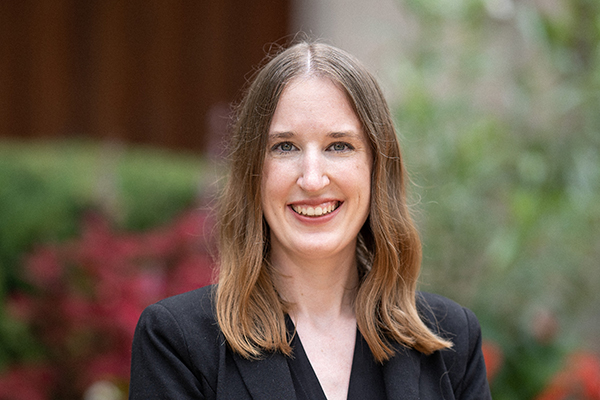
Willroth receives SAGE award
Emily Willroth, an assistant professor of psychological and brain sciences in Arts & Sciences at Washington University, has received the SAGE Early Career Trajectory Award from the Society for Social and Personality Psychology.

How does dicamba drift?
Environmental engineers at the McKelvey School of Engineering at Washington University in St. Louis have been studying dicamba drift to understand why the herbicide vaporizes and migrates to other crops.
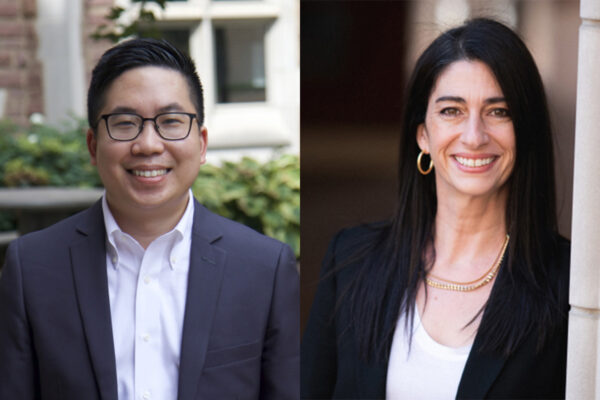
Three faculty recognized by psychological association
The Association for Psychological Science has recognized three members of the Department of Psychological & Brain Sciences in Arts & Sciences at Washington University in St. Louis — Calvin Lai and Renee Thompson as fellows and Jessie Sun as a “Rising Star.”

WashU awarded up to $20M to create portable device to scan for eye diseases
Chao Zhou, a professor of biomedical engineering in the McKelvey School of Engineering at Washington University in St. Louis, has been awarded an up to $20 million contract from the Advanced Research Projects Agency for Health to improve optical coherence tomography systems that can conduct high-resolution imaging of the eyes.
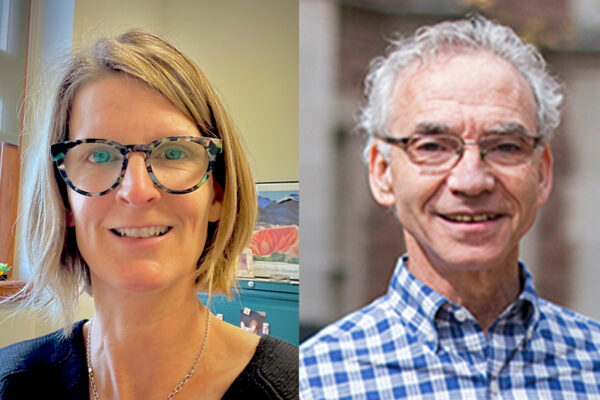
WashU faculty named to psychologist society
Two Washington University professors — Julie Bugg and Leonard Green — have been named fellows of the Society of Experimental Psychologists.
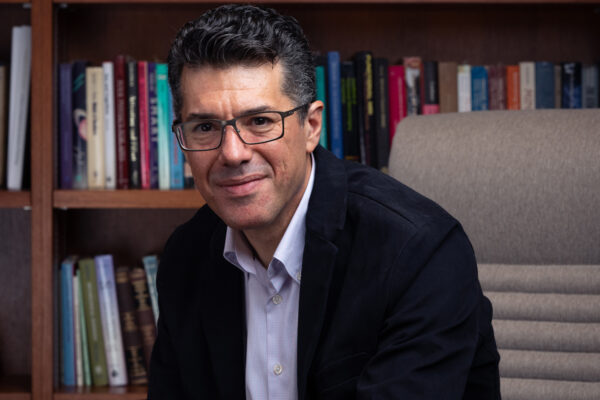
Zacks named president of brain sciences organization
Jeffrey Zacks, the Edgar James Swift Professor in Arts & Sciences and a professor of radiology at the School of Medicine, has begun a two-year term as president of the Federation of Associations in Behavioral and Brain Sciences.
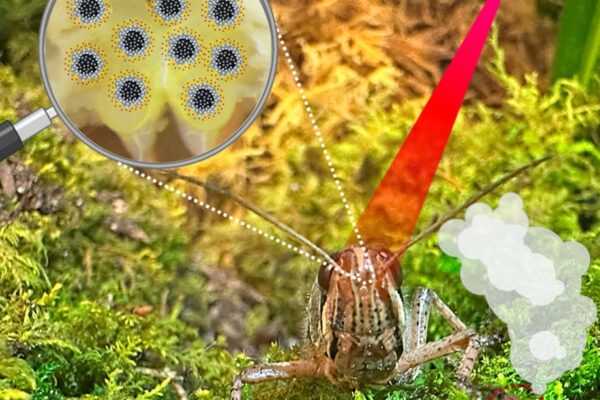
Locusts’ sense of smell boosted with custom-made nanoparticles
Srikanth Singamaneni and Barani Raman, both professors at the McKelvey School of Engineering, led a team that harnessed the power of specially made nanostructures to enhance the neural response in a locust’s brain to specific odors and to improve their identification of those odors.
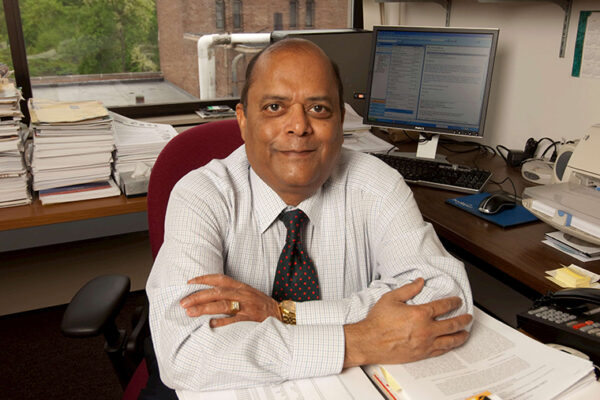
Agarwal receives SAE International Award for Aerospace Innovation
Ramesh Agarwal, the William Palm Professor of Engineering in the McKelvey School of Engineering, has been awarded the SAE International Award for Aerospace Innovation.

Looking for love? Try finding purpose as well
Research from Washington University in St. Louis shows profiles on dating apps that indicate a sense of purpose are rated more attractive than those without. The study was published in the International Journal of Applied Positive Psychology.
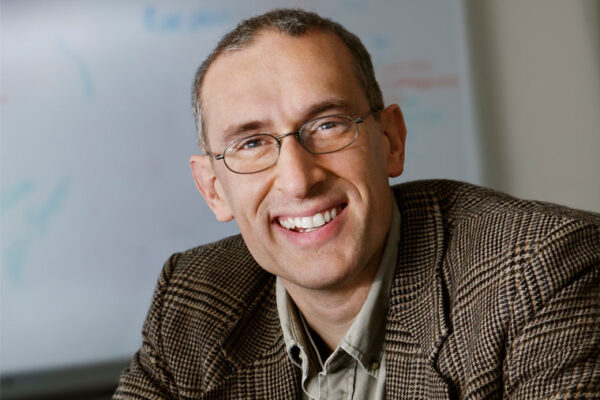
Genin awarded Savio L-Y. Woo Translational Biomechanics Medal
Guy Genin, the Harold and Kathleen Faught Professor of Mechanical Engineering at the McKelvey School of Engineering, has been awarded the Savio L-Y. Woo Translational Biomechanics Medal from the American Society of Mechanical Engineers.
View More Stories