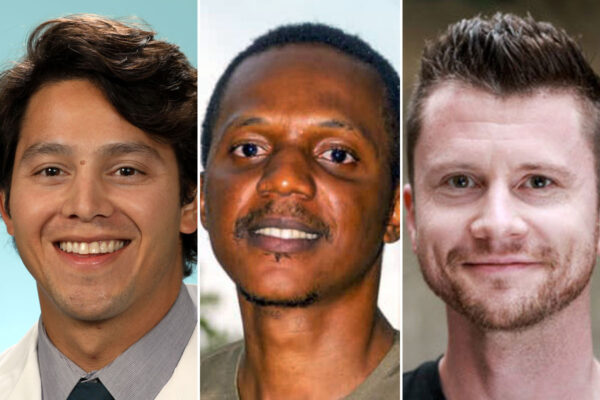
Researchers receive Alzheimer’s Association funding
Three School of Medicine researchers — Enmanuel Perez, Ibrahim Saliu and Steffen Storck — have received funding from the Alzheimer’s Association for projects that aim to study and make progress against the disease.

Parking offers update, plans for spring events
Parking and Transportation Services is preparing for campus events this spring, such as the Thurtene carnival and Active Transportation Month in April, and wants the community to be aware of potential parking impacts.
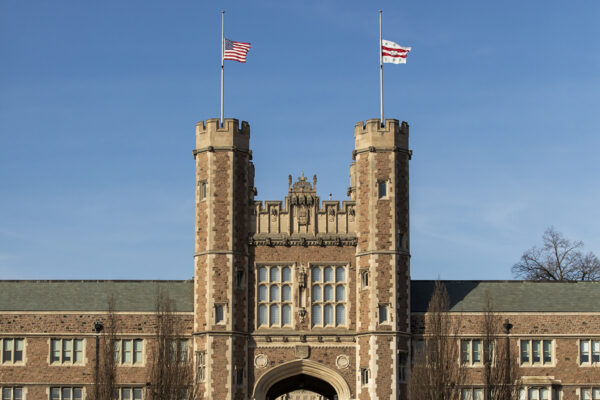
Flags lowered in memory of Tennessee shooting victims
The U.S. and university flags over Brookings Hall are lowered to half-staff until sunset Friday, March 31, as a mark of respect for those killed in the shooting March 27 in Nashville, Tenn.
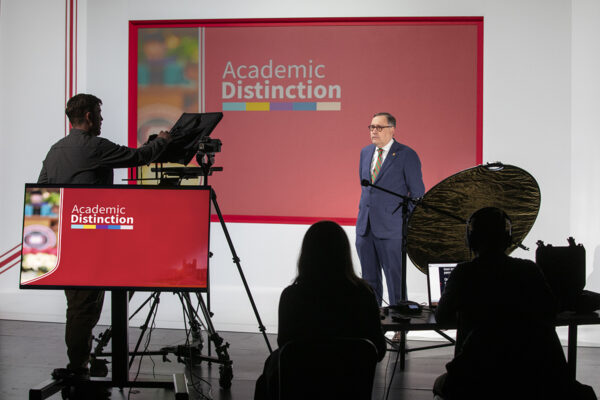
Chancellor’s State of the University address released
Chancellor Andrew D. Martin shares the 2023 State of the University address, highlighting accomplishments in academic distinction, student access and WashU’s commitment to St. Louis.

Four Washington University faculty named AIMBE Fellows
Four Washington University in St. Louis faculty members have been named Fellows of the American Institute for Medical and Biological Engineering: Hongyu An, Elliot Elson, Srikanth Singamaneni and Jessica Wagenseil.

WashU wins College Transit Challenge
WashU faculty, staff and students logged the most trips on MetroLink and Metro buses during the College Transit Challenge among five local colleges and universities March 3-10.
Michelle Ann Noll, senior research technician, 54
Michelle Ann Noll, a senior research technician at the School of Medicine, died Feb. 25, 2023, after a battle with pulmonary fibrosis, at Barnes-Jewish Hospital in St. Louis. She was 54.
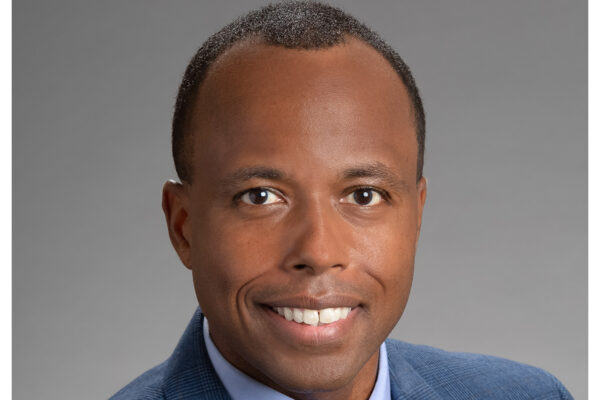
Hart named chief technology officer
Greg Hart has been appointed Washington University’s first chief technology officer, announced Jessie Minton, vice chancellor for technology and chief information officer. Hart begins the role March 20.
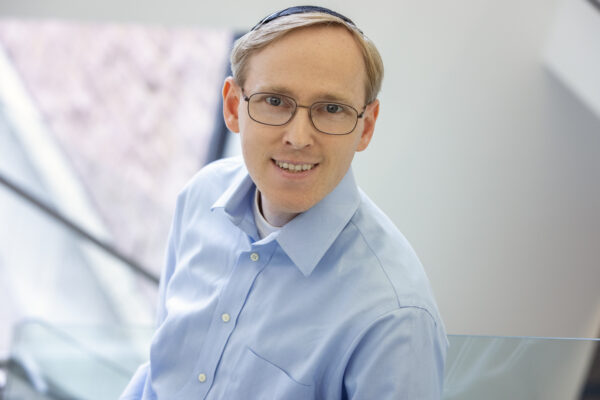
Vorobeychik wins grant for work on game-theoretic analysis
Yevgeniy Vorobeychik, an associate professor at the McKelvey School of Engineering, recently won a $400,000 grant from the National Science Foundation to use artificial intelligence to improve game-theory analysis methods to tackle increasingly complex problems.
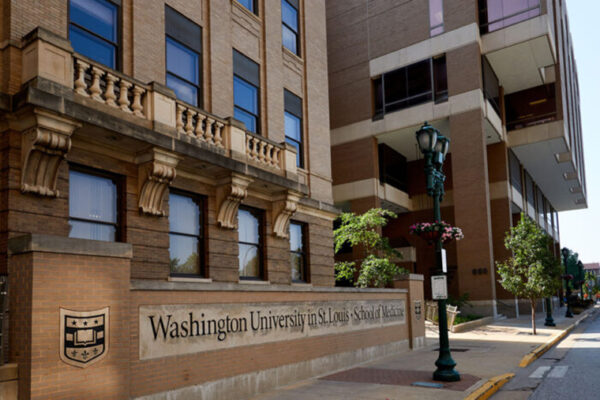
Researchers elected to American Society for Clinical Investigation
Eight physician-scientists at the School of Medicine have been elected members of the newest class of the American Society for Clinical Investigation.
View More Stories